
In the delicate world of laboratory science, understanding Cold Storage Failures: What Happens When Research Peptides Get Too Warm is critical for maintaining experimental integrity. Because peptides are essentially short chains of amino acids linked by covalent peptide bonds, their structural stability is highly sensitive to environmental fluctuations.
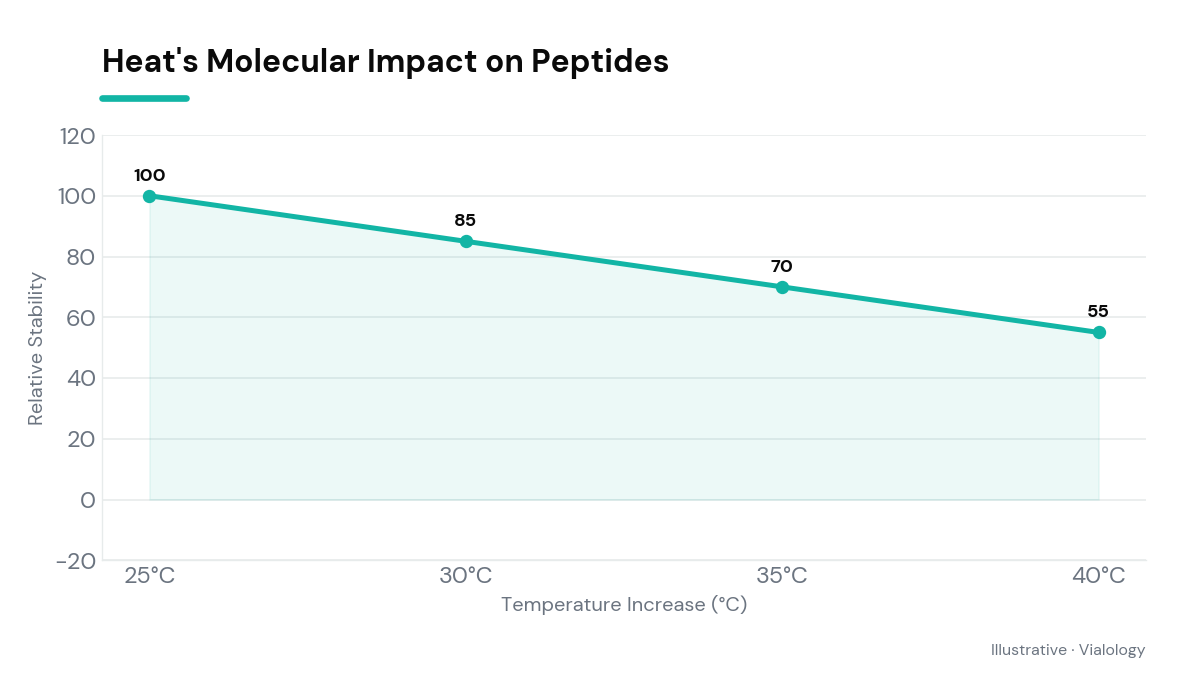
The Molecular Impact of Heat on Peptides
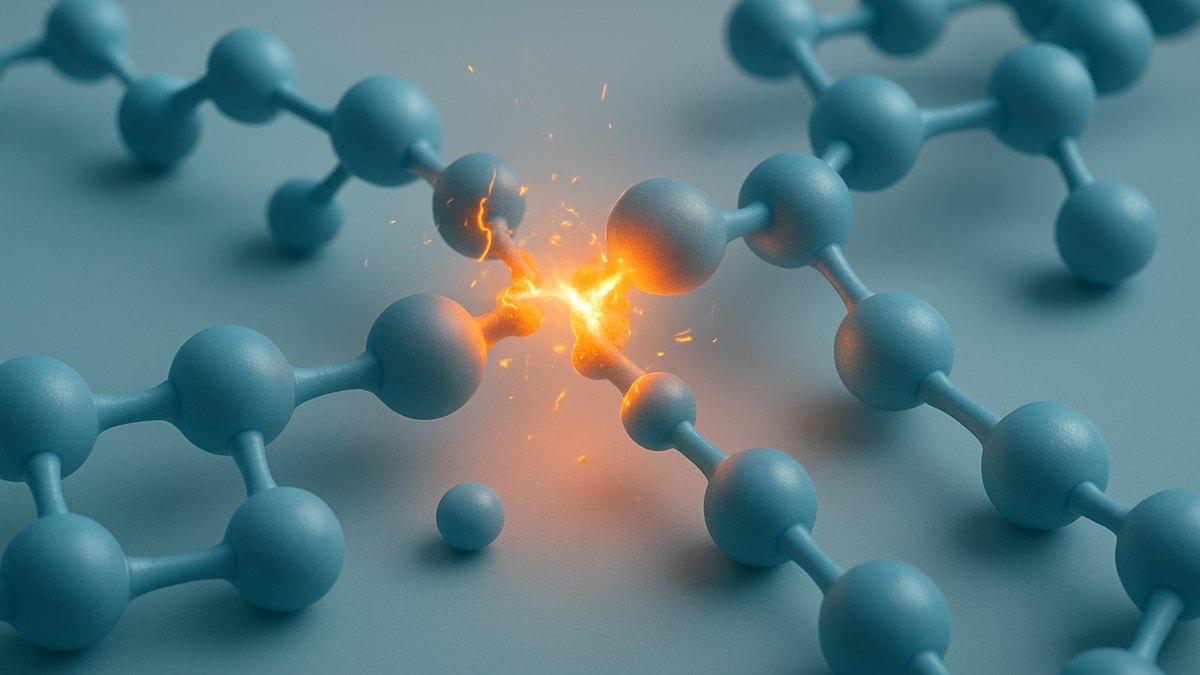
At a molecular level, peptides owe their function to their specific three-dimensional conformations. While smaller peptides may lack complex tertiary structures, they remain susceptible to chemical degradation pathways such as hydrolysis, deamidation, and isomerization when exposed to elevated temperatures. A study highlighted how heat accelerates these degradation pathways, transforming active research compounds into inactive, or even altered, fragments.
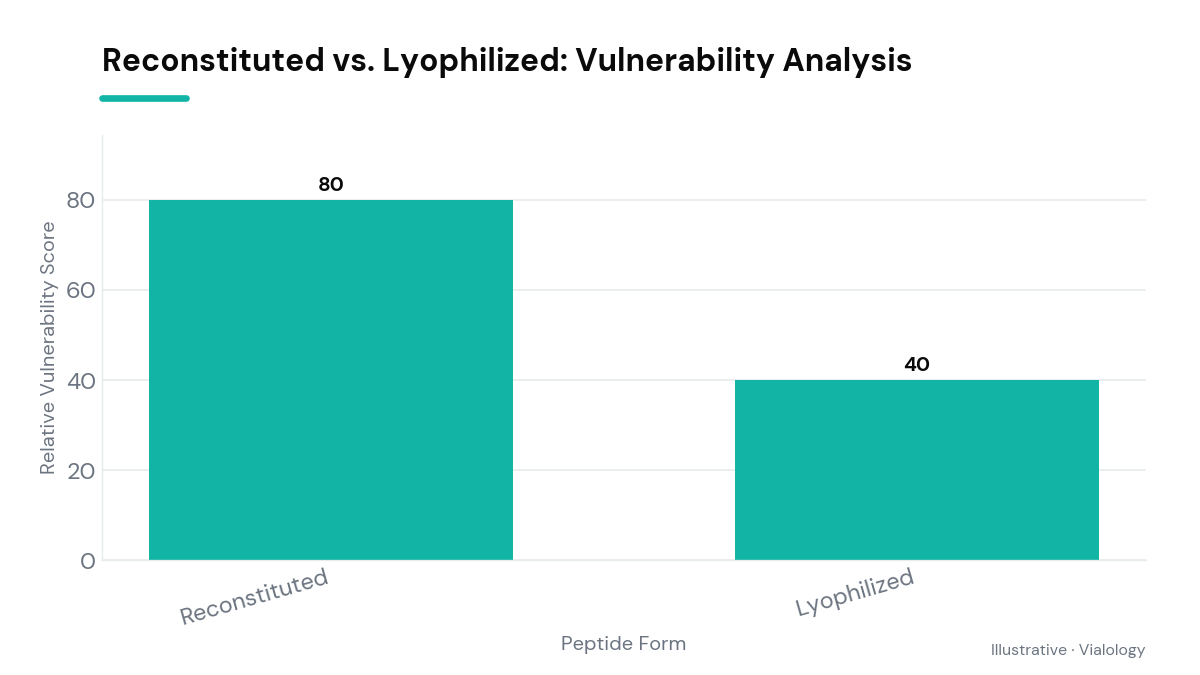
In lyophilized (freeze-dried) states, peptides are relatively stable, but they are not indestructible. Moisture absorption combined with a rise in temperature can trigger aggregation, a state where peptide molecules clump together and lose their biological efficacy. This is why researchers meticulously map out potential storage failure modes to prevent thermal degradation during both transport and long-term archiving.
Reconstituted vs. Lyophilized: The Vulnerability Window
The physical state of a peptide dictates its vulnerability to thermal stress. Lyophilized powder acts as a highly stable matrix, protecting the peptide bonds from moisture-driven cleavage. However, once a peptide is reconstituted in a bacteriostatic water or saline solution, its shelf-life drops dramatically. In a liquid state, the molecules are highly mobile, allowing water molecules to freely react with the peptide backbone and accelerate degradation, particularly if left at room temperature.
Laboratory protocols typically require reconstituted peptides to be stored at 2 to 8 degrees Celsius (36 to 46 degrees Fahrenheit) for short-term use, or frozen if permitted by the specific compound’s profile. When temperature control fails in a reconstituted state, even for a few hours, the rate of hydrolysis can increase significantly, rendering the experimental solution highly unpredictable.
Analyzing Cold Storage Failures: When Research Peptides Get Too Warm
Recognizing when a peptide has been compromised by heat can be challenging, as degradation is often invisible to the naked eye. In some cases, a reconstituted solution may develop cloudiness, precipitation, or a slight change in color, indicating severe peptide aggregation or bacterial growth. However, in lyophilized powders, sub-visual chemical changes like deamidation can occur without any obvious physical transformation.
For high-precision research, liquid chromatography-mass spectrometry (LC-MS) is the gold standard for assessing purity post-exposure. Without analytical verification, relying on visually normal but thermally compromised peptides can introduce significant variables into scientific models, leading to false-negative results or skewed data that cannot be replicated in subsequent trials.
Mitigating Risks and Maintaining Cold Chain Integrity
Preventing thermal damage requires a robust cold chain strategy. Laboratories utilize medical-grade refrigeration units equipped with continuous temperature monitoring systems and backup power supplies. Because minor fluctuations during door openings can accumulate over time, placing peptides in the center of the unit rather than the door shelves helps maintain a constant thermal environment.
Furthermore, shipping protocols must account for seasonal extremes, utilizing insulated containers, dry ice, or gel packs calibrated to maintain stable temperatures. By implementing double-containment strategies and verifying transit times, researchers can safeguard their investments and ensure that the compounds arriving at their facilities retain the structural integrity required for precise, reproducible science.
Related on Vialology
Frequently asked questions
Can a peptide be salvaged after it has been left at room temperature?
Whether a peptide remains usable depends on its form; lyophilized powders can often withstand brief exposure to room temperature, while reconstituted peptides degrade rapidly and are generally considered compromised.
What is the ideal temperature for long-term peptide storage?
For long-term preservation, lyophilized peptides are typically stored in a freezer at -20 or -80 degrees Celsius to minimize chemical activity and moisture-driven degradation.
Does freezing a reconstituted peptide protect it from heat damage?
Repeated freeze-thaw cycles can actually shear peptide chains and cause physical damage, so freezing reconstituted solutions is generally discouraged unless specifically validated by the research protocol.
Educational use only. Vialology publishes journalistic and educational content about peptide science. Nothing here is medical advice, diagnosis, or treatment, and nothing should be taken as an endorsement to use any substance. Many peptides discussed are experimental and are not approved by the FDA for human use. Always consult a licensed healthcare professional before making any health decision.