
Exploring the science behind Performance Peptide Capsules: What Research Supports BPC-157 and TB-500 in Oral Form reveals a growing curiosity within the biomedical community regarding how these molecules navigate the human digestive tract. While historical laboratory investigations have favored injectable administration to bypass metabolic breakdown, modern researchers are increasingly focusing on the viability of oral delivery systems. This shifting focus seeks to clarify whether these compounds can maintain their structural integrity and physiological activity when processed through the gastrointestinal system.
Understanding Oral Bioavailability in Peptide Science
Peptides are short chains of amino acids that are highly susceptible to enzymatic degradation in the stomach and intestines. For decades, the consensus in pharmacology was that oral administration of therapeutic peptides was highly inefficient because digestive enzymes would break them down into basic amino acids before they could reach systemic circulation. Consequently, researchers studying tissue recovery or cellular signaling in animal models relied almost exclusively on subcutaneous or intramuscular injections to ensure reliable delivery.
To overcome this biological barrier, scientists have begun exploring novel molecular formulations and enteric coatings designed to shield delicate compounds from gastric acid. A significant portion of this emerging oral-format peptide research focuses on whether specialized delivery vehicles can successfully transport active molecules like BPC-157 and TB-500 into the bloodstream, thereby opening new pathways for non-invasive scientific inquiry.
Performance Peptide Capsules: What Research Supports BPC-157 and TB-500 in Oral Form?
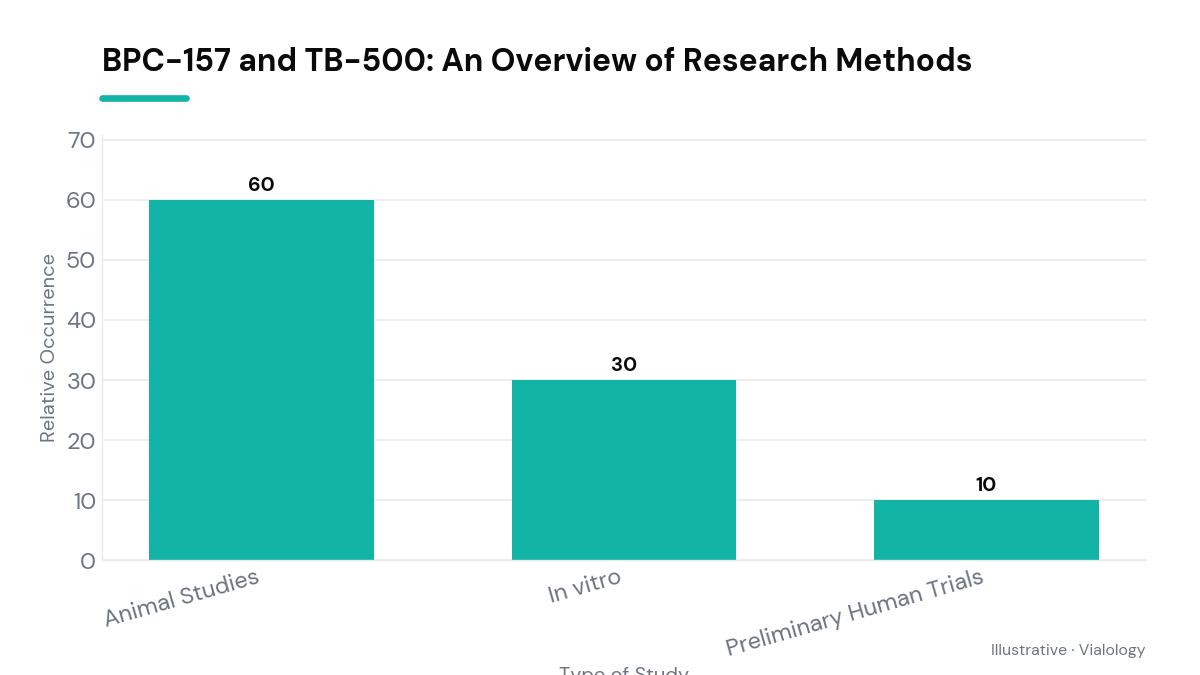
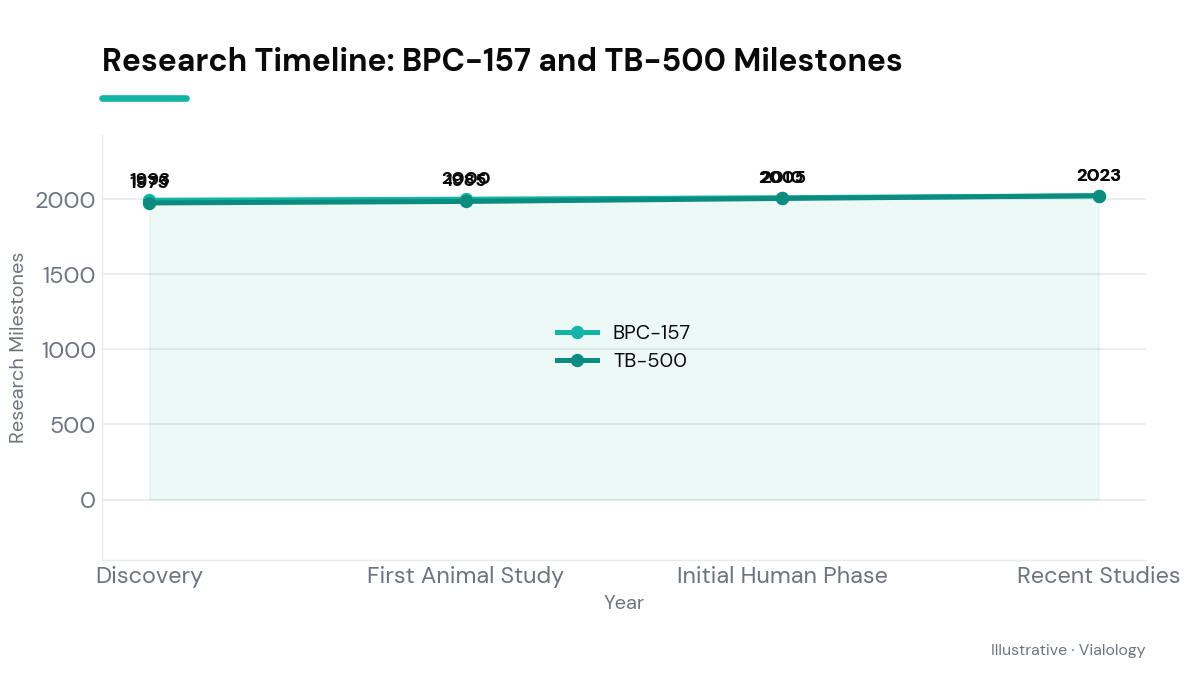
BPC-157, or Body Protecting Compound 157, is a pentadecapeptide derived from a protein naturally found in human gastric juice. Because of its native origin in the stomach, BPC-157 possesses an inherent stability in highly acidic environments that distinguishes it from many other synthetic peptides. Preclinical animal models dating from the late 1990s onward suggest that orally administered BPC-157 can survive gastric juices to promote localized healing of gastric ulcers, inflammatory bowel conditions, and even accelerate the repair of distant tissues like tendons, ligaments, and bones.
While these animal studies demonstrate promising survival rates and systemic effects of oral BPC-157, corresponding human clinical data remains scarce. Researchers are actively studying whether the gastric stability observed in rodents translates directly to human biology, particularly when the peptide is delivered via oral performance capsules designed to control release rates and optimize absorption in the lower digestive tract.
The Scientific Investigation of Oral Thymosin Beta-4 (TB-500)
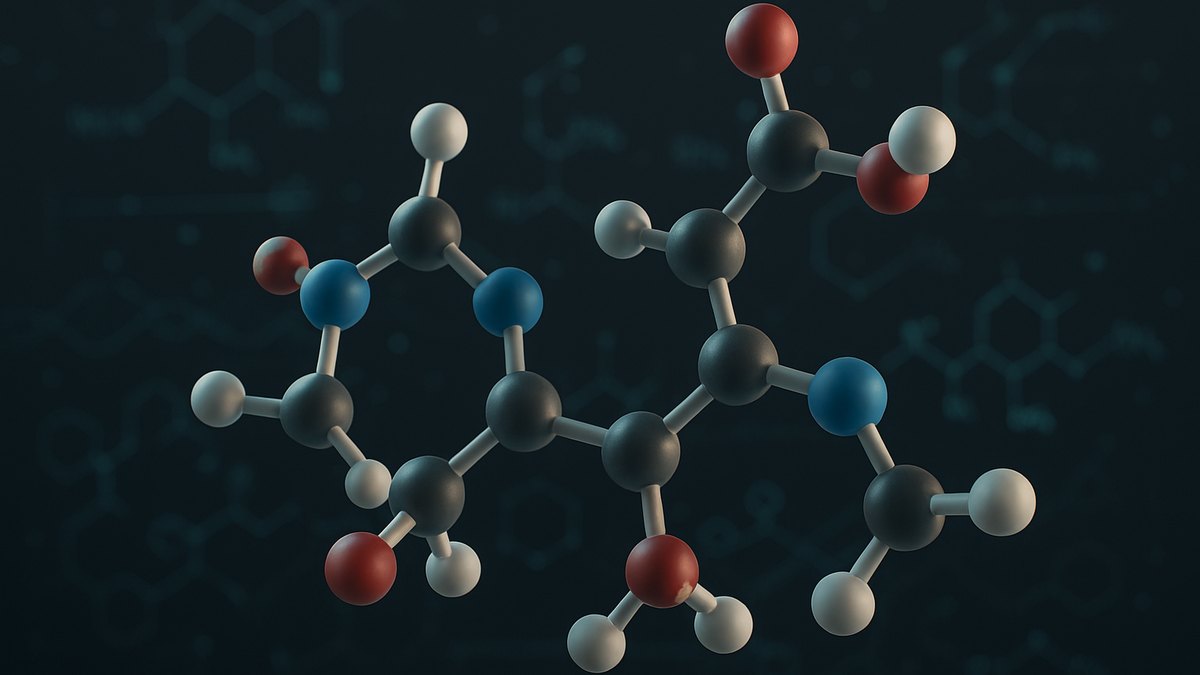
Thymosin Beta-4, often referred to in research settings by its synthetic segment name TB-500, is a naturally occurring peptide that plays a critical role in cellular migration, actin regulation, and blood vessel formation. Unlike BPC-157, Thymosin Beta-4 does not naturally reside in the stomach, making it highly vulnerable to rapid destruction by digestive enzymes upon ingestion. As a result, the vast majority of historical literature documenting its regenerative potential has utilized injectable or topical delivery methods in laboratory subjects.
To adapt TB-500 for oral study, researchers are evaluating advanced encapsulation techniques, such as liposomal wrapping and enteric coatings. The primary scientific objective is to shield the peptide until it reaches the more alkaline environment of the small intestine, where absorption into the bloodstream might occur. Currently, evidence supporting the efficacy of oral TB-500 is restricted to early-stage in vitro and animal models, leaving its bioactivity in humans as a subject of ongoing debate.
Current Gaps in Human Clinical Evidence
Despite the scientific interest surrounding oral peptide capsules, transitioning these compounds from laboratory animal models to human applications presents significant challenges. Many widely cited studies demonstrating accelerated tissue repair or anti-inflammatory properties were conducted under highly controlled laboratory conditions using rodent models. These subjects often received dosages that do not easily scale to human equivalents, making it difficult to predict identical physiological responses from oral capsules.
Furthermore, neither BPC-157 nor TB-500 is currently approved by the U.S. Food and Drug Administration (FDA) for human consumption, medical treatment, or dietary supplementation. Regulatory agencies and research organizations emphasize that while the preclinical data is compelling, rigorous, double-blind human clinical trials are essential to fully establish the safety profiles, potential side effects, and true systemic bioavailability of these peptides in oral forms.
Related on Vialology
Frequently asked questions
Can BPC-157 be absorbed effectively through oral capsules?
Preclinical animal studies indicate that BPC-157 is uniquely stable in gastric acid and can exert systemic effects when ingested, though human clinical trials are still required to confirm its precise oral bioavailability in humans.
How does TB-500 differ from BPC-157 regarding oral stability?
Unlike BPC-157, TB-500 is highly susceptible to enzymatic degradation in the stomach, meaning its survival in oral form relies heavily on advanced enteric coatings or protective encapsulation technologies currently under investigation.
Are BPC-157 and TB-500 oral capsules approved by the FDA?
No, neither peptide is approved by the FDA for human use, prevention, or treatment of any condition, and both are currently classified as research compounds.
What is the main limitation of current research on oral performance peptides?
The primary limitation is the lack of large-scale, peer-reviewed human clinical trials, as the majority of existing encouraging data comes from preclinical animal models.
Educational use only. Vialology publishes journalistic and educational content about peptide science. Nothing here is medical advice, diagnosis, or treatment, and nothing should be taken as an endorsement to use any substance. Many peptides discussed are experimental and are not approved by the FDA for human use. Always consult a licensed healthcare professional before making any health decision.