

Researchers exploring the frontiers of metabolic health are increasingly focused on the potential slu-pp-332 benefits, a novel synthetic compound designed to mimic the physiological effects of physical exertion. Known colloquially as an “exercise mimetic,” this investigational molecule targets specific nuclear receptors to simulate the cellular response of a grueling workout. While still in the early stages of preclinical evaluation, it represents a fascinating shift in how scientists approach metabolic endurance and muscle preservation.
The Science Behind Exercise Mimetic Peptides
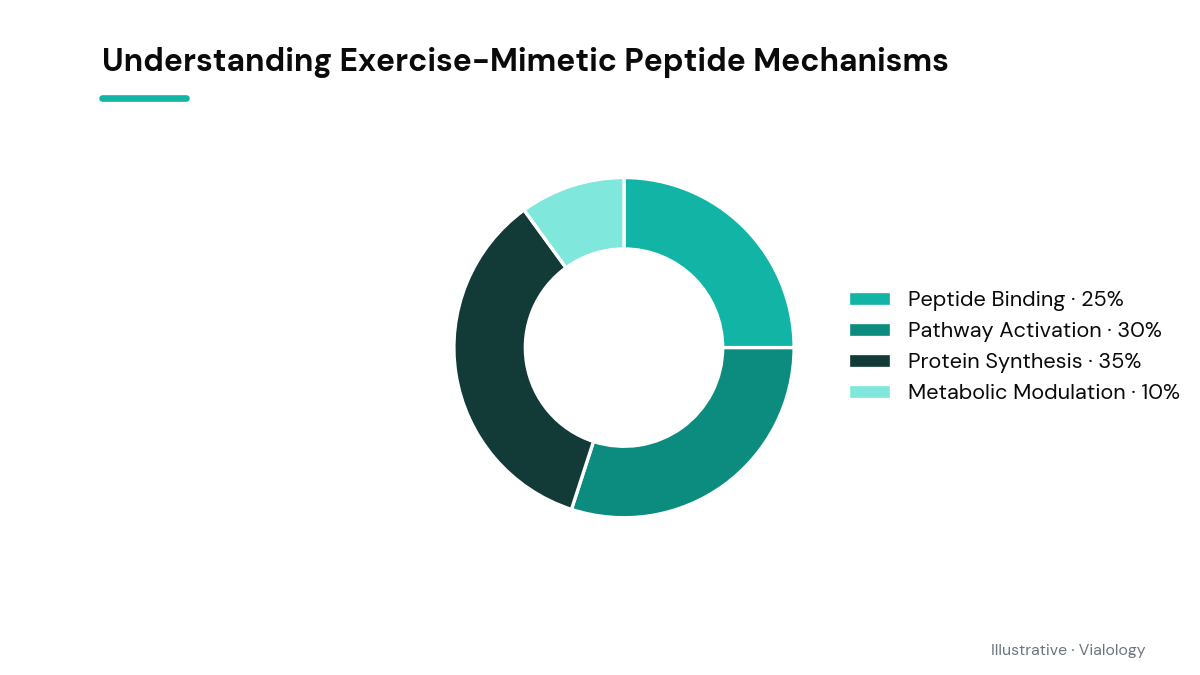
Exercise mimetics are therapeutic candidates designed to reproduce the beneficial effects of physical activity without requiring actual physical exertion. They do this by triggering the same intracellular signaling cascades that are typically activated during cardiorespiratory or resistance training. In recent years, exercise mimetic peptide research has expanded significantly as scientists seek to understand how these compounds might preserve muscle mass, enhance metabolic rate, and improve mitochondrial function in populations unable to perform traditional exercise.
At the molecular level, these compounds often target specific cellular energy sensors. By modulating pathways that govern cellular respiration and fuel utilization, they encourage cells to burn lipids and optimize glucose uptake. This biological mimicking act is not intended to replace physical activity for healthy individuals, but rather to provide a therapeutic bridge for those experiencing severe muscle wasting, age-related frailty, or extreme physical limitations.
Deep Dive into SLU-PP-332 Benefits and Pathways
SLU-PP-332 is an investigational small-molecule agonist that specifically targets estrogen-related receptors (ERRs), particularly ERR-alpha, ERR-beta, and ERR-gamma. These receptors are highly expressed in energy-demanding tissues like skeletal muscle, the heart, and the brain, where they serve as master regulators of mitochondrial biogenesis. In preclinical models, activating these receptors has been shown to induce a metabolic shift from glucose utilization to fatty acid oxidation, effectively training the body’s tissues to burn fat more efficiently.
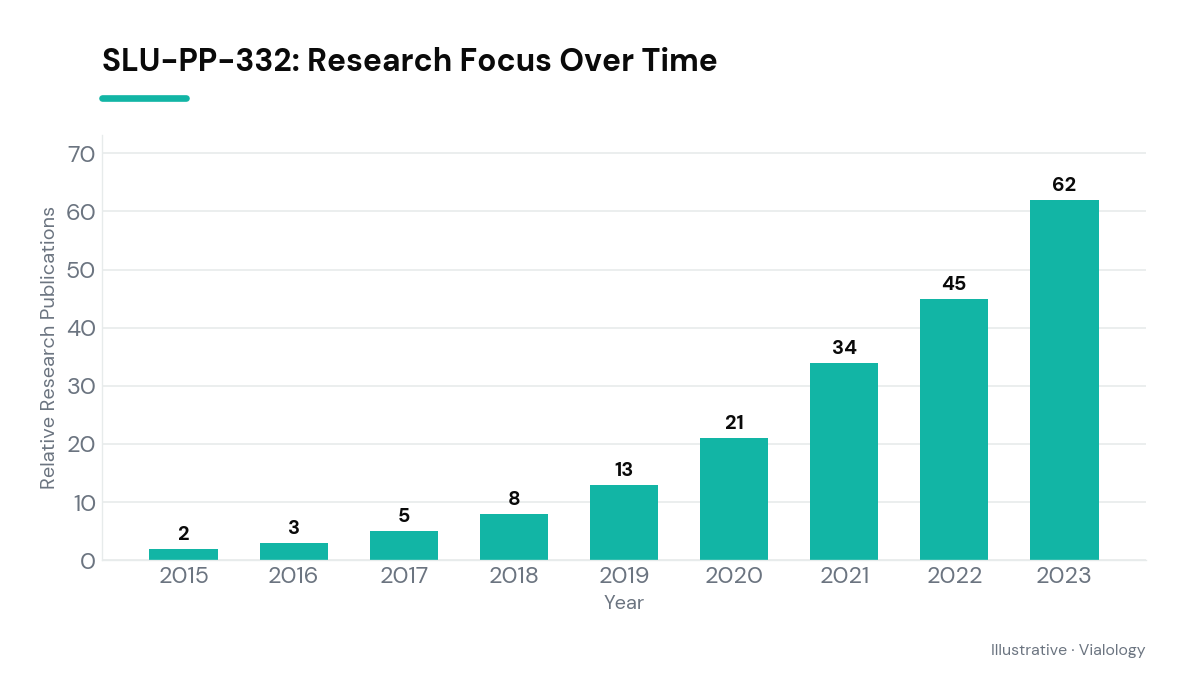
Early animal studies published in 2023 demonstrated that mice treated with this compound showed a marked increase in running endurance and overall energy expenditure. The observed slu-pp-332 benefits in these models included enhanced muscle function and a reduction in fat mass accumulation, even without an accompanying change in physical activity or dietary intake. These findings have sparked intense interest among researchers studying metabolic syndrome, obesity, and age-related muscle decline.

How ERR Activation Simulates Cardiorespiratory Training
To understand why SLU-PP-332 is generating excitement in metabolic research, one must look at the role of Estrogen-Related Receptors (ERRs) in muscle adaptation. During prolonged endurance exercise, the body naturally upregulates these receptors to meet the increased demand for energy. This upregulation triggers the creation of new mitochondria, the powerhouses of the cell, allowing muscles to perform work for longer periods without fatiguing.
By chemically stimulating ERRs, SLU-PP-332 co-opts this natural adaptive pathway. Preclinical evidence suggests that this stimulation encourages skeletal muscle fibers to transition from fast-twitch glycolytic fibers to slow-twitch oxidative fibers, which are highly resistant to fatigue. This biological remodeling mimics the exact muscle adaptations typically seen after weeks of consistent aerobic training, highlighting the compound’s potential as a powerful tool for investigating metabolic flexibility.
Preclinical Status and Safety Considerations
Despite the promising laboratory findings, it is critical to emphasize that research into SLU-PP-332 remains strictly in its infancy. To date, there are no published peer-reviewed human clinical trials evaluating its safety, tolerability, or efficacy. Because the compound is not FDA-approved for human use, scientific understanding of its long-term biological impact, potential side effects, or systemic toxicity is limited to rodent models.
Moving forward, researchers must determine whether the metabolic advantages observed in rodents translate safely to human physiology. Clinical development will require rigorous safety profiling to ensure that chronic activation of ERRs does not lead to off-target effects in other organs, such as the heart or liver. Until human data becomes available, SLU-PP-332 remains an exciting, yet unproven, chemical tool confined to the laboratory bench.
Related on Vialology
Frequently asked questions
What is SLU-PP-332?
SLU-PP-332 is an experimental small-molecule compound that acts as an estrogen-related receptor (ERR) agonist, designed to mimic the metabolic effects of physical exercise.
Has SLU-PP-332 been tested on humans?
No, SLU-PP-332 is currently an investigational compound that has only been evaluated in preclinical animal models and has not undergone human clinical trials.
Is SLU-PP-332 a peptide?
Technically, SLU-PP-332 is a small-molecule chemical compound rather than a classic peptide, although it is frequently categorized within the broader exercise-mimetic peptide research space due to its target pathways.
What are the main observed effects of SLU-PP-332 in research?
In animal studies, the compound has been shown to increase fatigue resistance, boost mitochondrial biogenesis, and promote fat oxidation, effectively simulating the benefits of endurance training.
Educational use only. Vialology publishes journalistic and educational content about peptide science. Nothing here is medical advice, diagnosis, or treatment, and nothing should be taken as an endorsement to use any substance. Many peptides discussed are experimental and are not approved by the FDA for human use. Always consult a licensed healthcare professional before making any health decision.