

The KPV peptide has emerged as a subject of intense scientific curiosity due to its unique structural relationship to naturally occurring hormones. Derived from the C-terminal region of alpha-melanocyte-stimulating hormone (alpha-MSH), this three-amino-acid chain is currently being studied for its potential interactions with cellular pathways. Researchers are particularly interested in how such a small molecular sequence might replicate some of the broader signaling properties of its parent hormone without triggering its pigment-producing effects.
The Chemical Architecture of the KPV Peptide
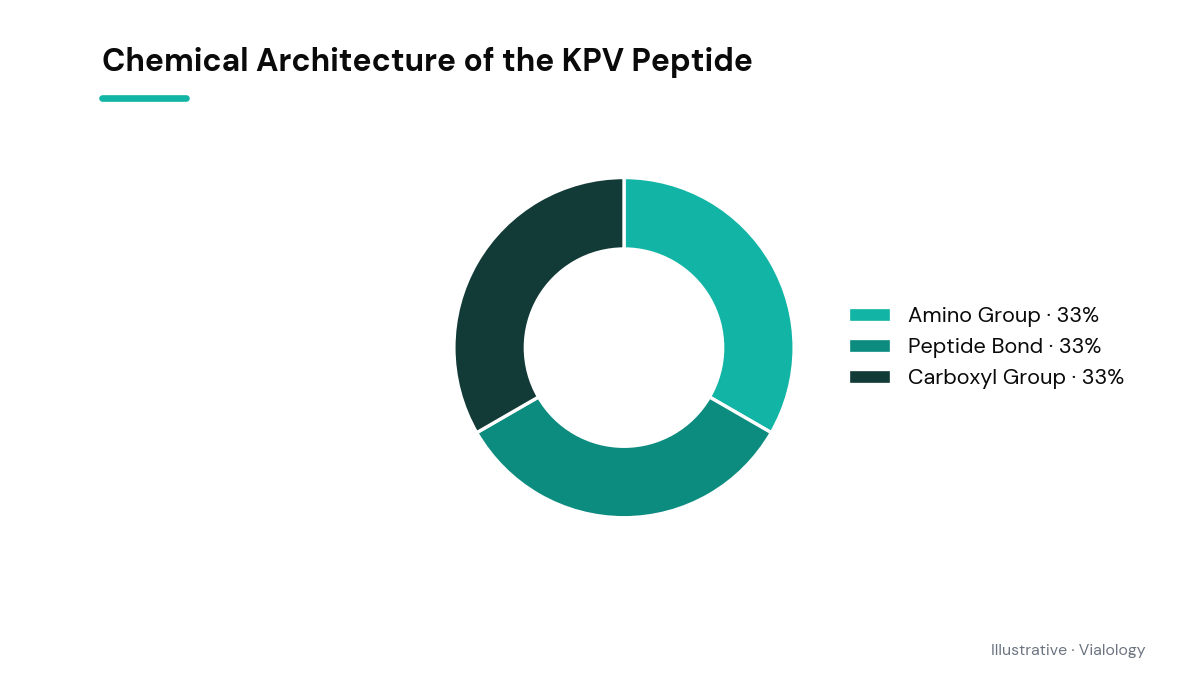
Consisting of lysine, proline, and valine, the KPV peptide represents a tripeptide sequence found at the C-terminus of alpha-melanocyte-stimulating hormone (alpha-MSH). In molecular biology, this specific sequence is classified as a biological fragment, meaning it isolates a small, functional portion of a larger polypeptide. Scientists are drawn to this structure because its minimal molecular weight allows for easier synthesis and potentially greater stability compared to larger, more complex proteins. This structural simplicity also makes it an ideal candidate for modeling molecular interactions in computerized biophysical simulations.
By stripping away the larger sequence of alpha-MSH, which is known to influence skin pigmentation and appetite regulation, researchers can isolate the specific pathways associated with the KPV sequence alone. Chemical modeling suggests that this compact structure allows the molecule to interact with cellular membranes in distinct ways, bypassing the melanocortin receptors typically targeted by its parent molecule. This selectiveness is a primary reason why laboratory researchers study the peptide independently of its endogenous precursor.

Proposed Cellular Mechanisms and Pathways
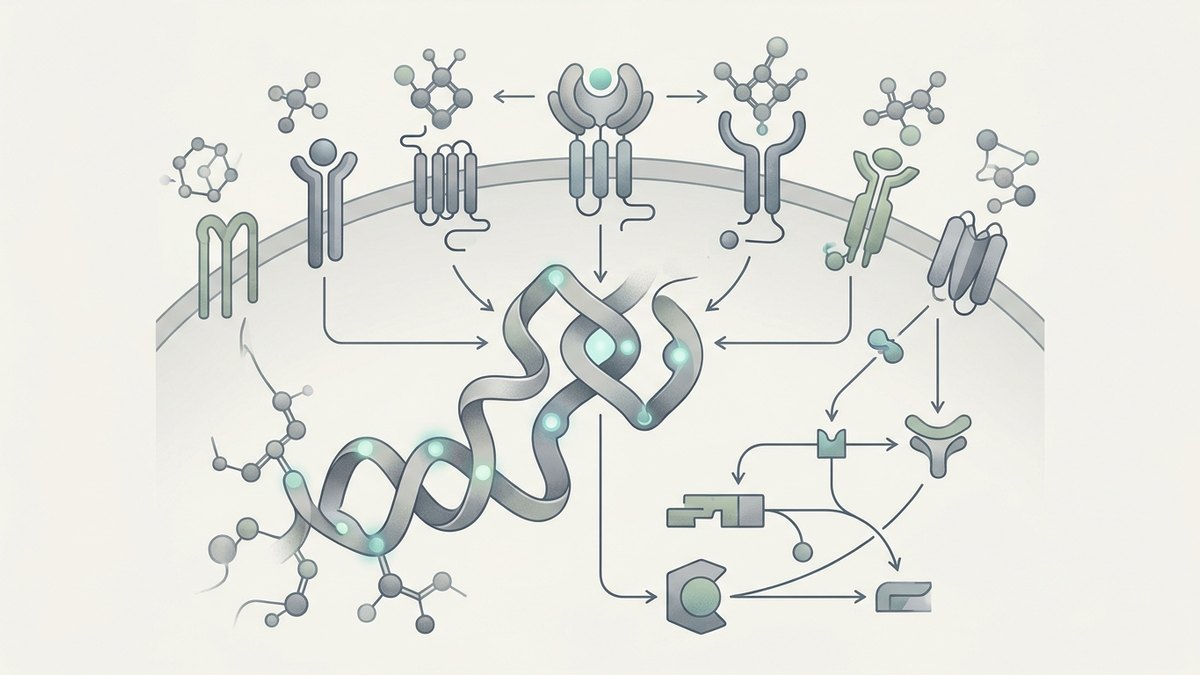
In vitro studies have focused extensively on how KPV interacts with intracellular signaling cascades. A primary area of investigation is the nuclear factor-kappa B (NF-kB) pathway, a critical regulator of cellular stress, immune responses, and systemic inflammation. In cell cultures, researchers have observed that KPV can enter cells and interact directly with importin proteins, effectively blocking the translocation of NF-kB into the nucleus, which in turn limits downstream inflammatory signaling. This molecular blockade is of immense interest to researchers studying chronic inflammatory conditions.
Beyond the NF-kB pathway, laboratory models suggest that KPV may also interact with host-defense peptides, potentially modulating local antimicrobial dynamics. Some researchers have documented its ability to inhibit the growth of specific pathogens like Candida albicans in laboratory dishes, although the precise molecular mechanics of this antimicrobial property remain under active investigation. Additionally, studies suggest that KPV might assist in regulating overall cellular homeostasis by interacting with specific transport mechanisms on cell surfaces.
Analyzing the State of Current KPV Peptide Research
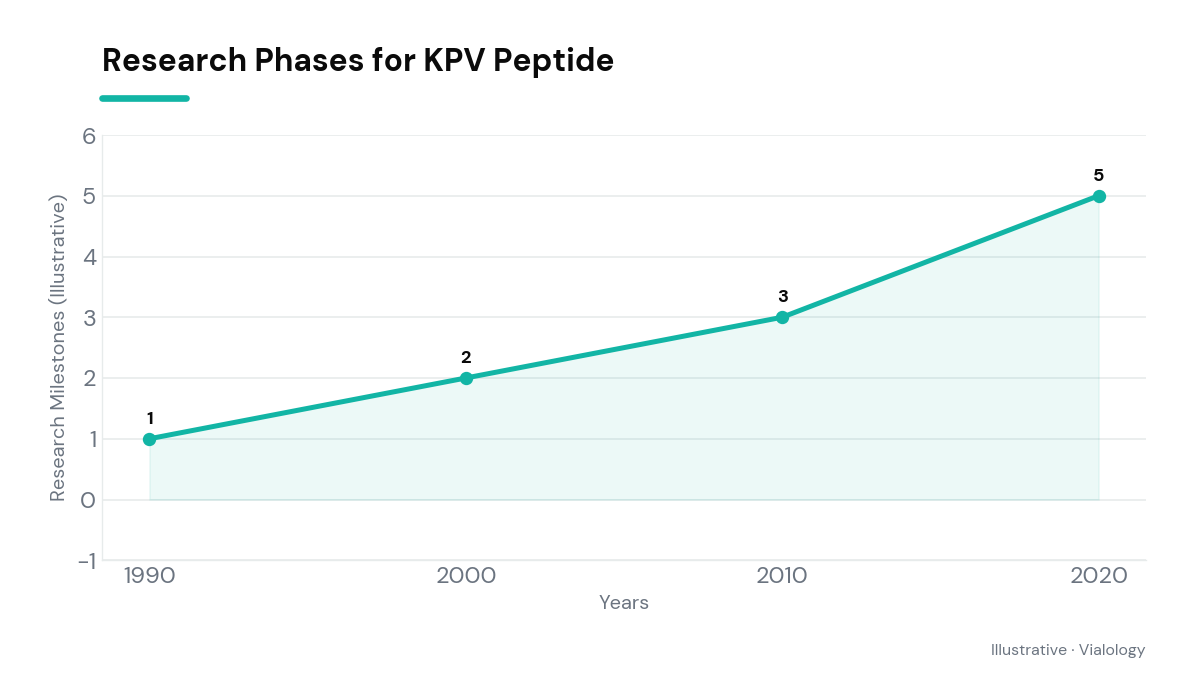
Despite promising cellular data, the scientific literature on the KPV peptide is heavily weighted toward laboratory-based in vitro studies and animal models. For example, a 2010 study published in the Journal of Cellular Physiology explored its effects on intestinal epithelial cells, demonstrating a stabilizing effect on mucosal barriers in rodent models of colitis. Similarly, other animal trials have looked at its role in wound healing, where topical application of the tripeptide appeared to accelerate tissue remodeling and reduce scar tissue formation by regulating collagen synthesis.
However, translating these findings to human biology presents significant hurdles. There is currently a lack of robust, large-scale clinical trials evaluating the safety, pharmacokinetics, or efficacy of the KPV peptide in human subjects. Consequently, scientific consensus views KPV as a highly intriguing research chemical rather than an established therapeutic agent, emphasizing the need for rigorous clinical validation before any real-world applications can be safely determined.
Frequently asked questions
What is the KPV peptide and where does it originate?
The KPV peptide is a three-amino-acid sequence (lysine-proline-valine) derived from the C-terminus of the naturally occurring hormone alpha-melanocyte-stimulating hormone (alpha-MSH). Researchers study it as an isolated fragment to explore its potential biological properties without the pigment-stimulating effects of the parent hormone.
How do researchers study KPV in laboratory settings?
Scientists primarily study KPV using in vitro cell cultures to analyze its molecular signaling pathways, and animal models, such as rodents, to observe its systemic effects on tissue inflammation and wound recovery.
Is the KPV peptide approved by the FDA for human use?
No, the KPV peptide is not approved by the FDA for human consumption, prescription, or therapeutic use. It remains classified as a research chemical intended strictly for laboratory and investigational studies.
What does preliminary research suggest about KPV’s mechanisms?
Early research suggests that KPV may modulate cellular responses by inhibiting the NF-kB pathway, protecting mucosal barriers, and demonstrating potential antimicrobial characteristics in controlled laboratory environments.
Educational use only. Vialology publishes journalistic and educational content about peptide science. Nothing here is medical advice, diagnosis, or treatment, and nothing should be taken as an endorsement to use any substance. Many peptides discussed are experimental and are not approved by the FDA for human use. Always consult a licensed healthcare professional before making any health decision.