
In this edition of “Peptide Blends Explained: What’s Actually in a GLOW or KLOW Stack,” we dive deep into the molecular mechanics of these trendy, multi-peptide formulations. As interest in metabolic health, cellular repair, and skin vitality accelerates, scientific researchers are increasingly looking at how distinct signaling molecules function in tandem. Rather than relying on a single compound, these synergistically designed “stacks” combine specific amino acid sequences to target multiple biological pathways simultaneously.
The Science Behind Peptide Synergy
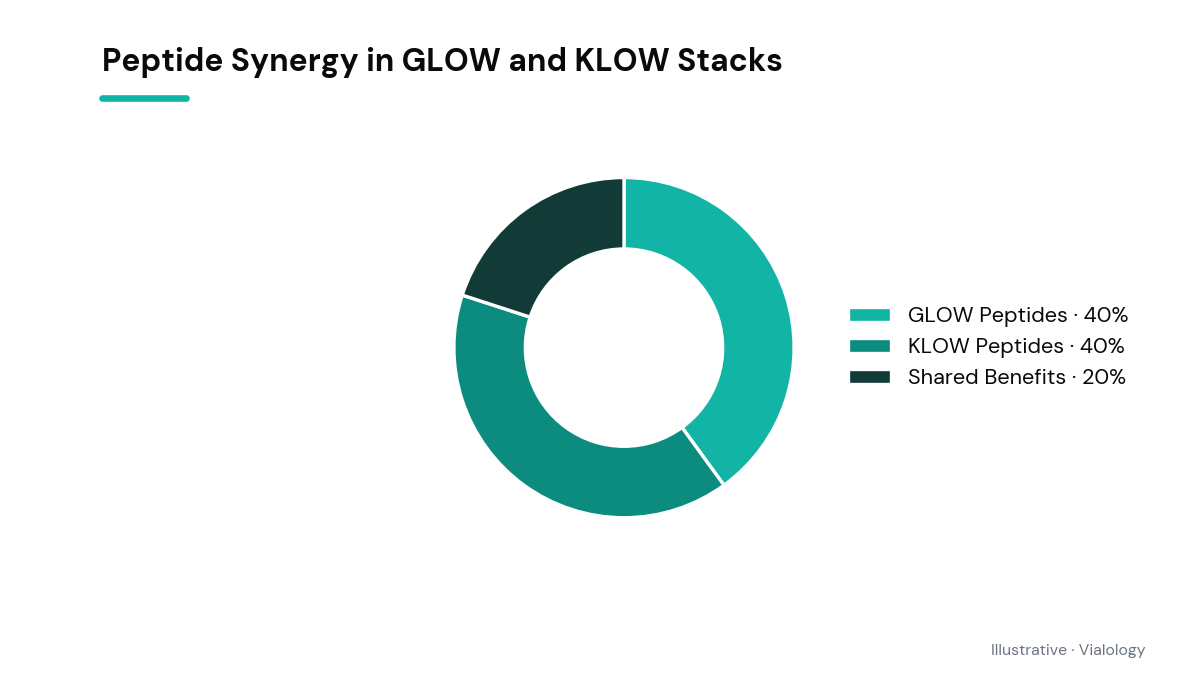
The concept of stacking is not new to pharmacology or biochemistry, but its application in experimental peptide research has gained significant traction. When researchers study individual peptides like GHK-Cu (copper peptide) or Epitalon, they observe targeted, pathway-specific interactions. However, biological systems are inherently redundant and complex; addressing a cosmetic or physiological goal often requires modulating several distinct cellular signals. By combining complementary compounds, a peptide blend breakdown reveals how these formulations attempt to spark multiple physiological cascades, potentially yielding a more comprehensive biological response than any single compound could achieve alone.
In laboratory settings, combining peptides allows researchers to study synergistic effects—where the combined impact of two or more compounds exceeds the sum of their individual actions. For instance, while one peptide might upregulate collagen synthesis genes, another might simultaneously inhibit the enzymes responsible for collagen degradation. This dual-action approach represents a shift from mono-therapy to multi-target network biology, reflecting the complex, interconnected nature of human cellular pathways.
Deconstructing the GLOW Stack: Cellular Repair and Skin Vitality
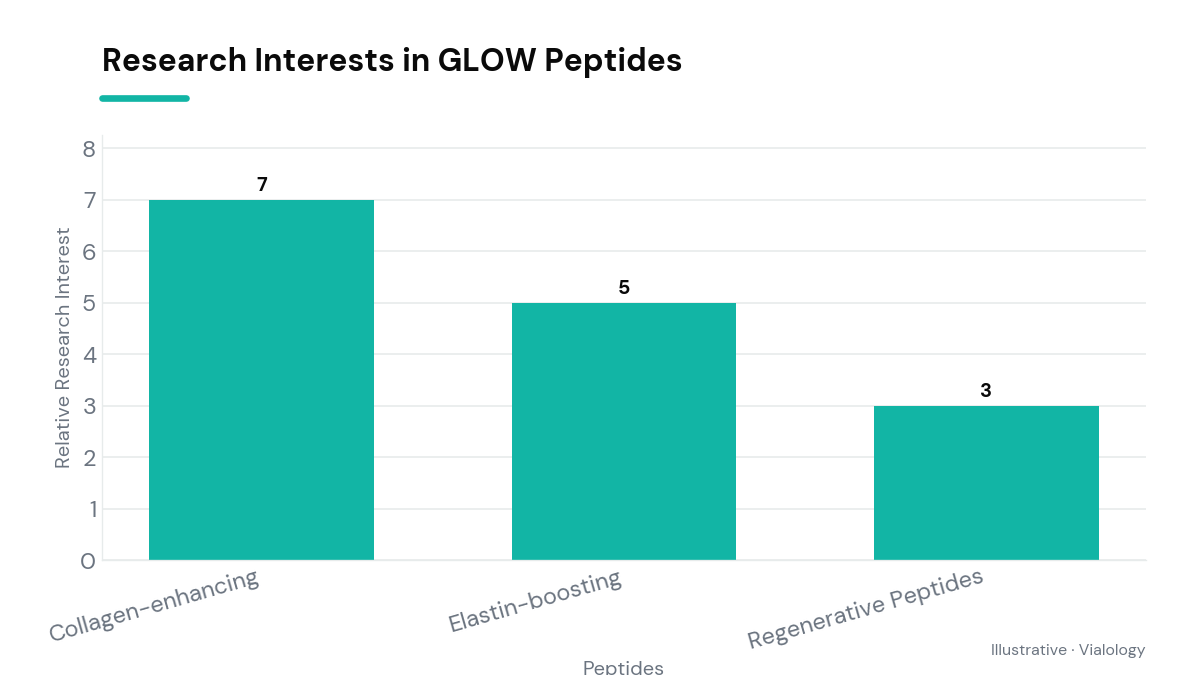
The “GLOW” stack is a popular research combination primarily focused on tissue regeneration, collagen production, and dermatological cellular health. Typically, this formulation features GHK-Cu, a tripeptide known for its high affinity for copper ions. A wealth of in vitro and in vivo studies, including research dating back to the late 20th century, demonstrates that GHK-Cu plays a pivotal role in wound healing, anti-inflammatory signaling, and remodeling the extracellular matrix. By stimulating fibroblasts to produce collagen and glycosaminoglycans, GHK-Cu serves as the foundation for structural repair.
To complement this, GLOW stacks often incorporate peptides like Epitalon or CJC-1295. Epitalon, a synthetic tetrapeptide modeled after a natural pineal peptide, has been studied for its potential to upregulate telomerase activity and reduce oxidative stress in animal models. Meanwhile, CJC-1295—a growth hormone-releasing hormone analog—stimulates the pituitary gland to release growth hormone, which in turn promotes systemic cellular regeneration. Together, these compounds are investigated for their collective ability to support tissue integrity from the inside out.
Decoding the KLOW Stack: Metabolism and Energy Dynamics
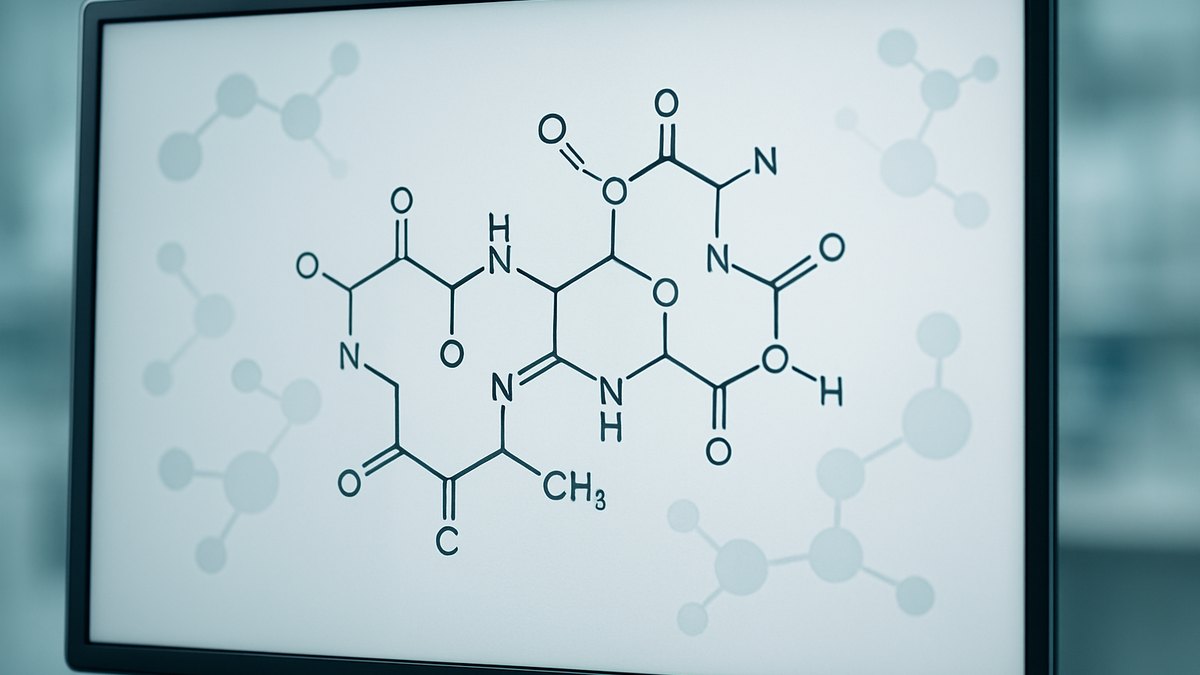
While the GLOW stack prioritizes structural and cellular repair, the “KLOW” (or glow-adjacent metabolic) stack pivots toward mitochondrial efficiency, metabolic regulation, and adipose tissue modulation. Central to this blend is often a combination of growth hormone secretagogues and metabolic modulators like MOTS-c or Fragment 176-191. MOTS-c, a mitochondrial-derived peptide, has emerged in recent years as a fascinating subject of metabolic research. A 2015 study published in Cell Metabolism highlighted its role in preventing insulin resistance and promoting metabolic homeostasis in mice by targeting the AMPK pathway.
To enhance these metabolic signals, the KLOW stack frequently includes AOD9604 or Fragment 176-191, which are modified regions of human growth hormone. Unlike the full-length hormone, these fragments are engineered to stimulate lipolysis—the breakdown of fat—without inducing insulin resistance or affecting cellular proliferation. Researchers study these combinations to observe how the activation of mitochondrial pathways by MOTS-c interacts with the lipolytic signals of growth hormone fragments, looking for cumulative benefits in energy expenditure and cellular vitality.
Safety and Research: Peptide Blends Explained: What’s Actually in a GLOW or KLOW Stack
When analyzing Peptide Blends Explained: What’s Actually in a GLOW or KLOW Stack, it is crucial to recognize that these formulations are currently intended for laboratory research and are not approved by the FDA for general consumer use or self-administration. The precise ratios within these stacks are engineered to mimic biological synergy, but the clinical data on combining these specific molecules in human subjects remains extremely limited. Most existing literature focuses on the isolated compounds rather than the combined commercial mixtures.
As research progresses, the scientific community continues to evaluate how these peptide blends behave under different experimental conditions. The potential of multi-peptide stacking lies in its ability to address complex, multifaceted physiological systems. However, until robust, peer-reviewed human clinical trials validate the safety, efficacy, and pharmacokinetic profiles of these specific combinations, they remain a promising frontier of preclinical science and a subject of intense academic curiosity.
Related on Vialology
Frequently asked questions
What is the primary difference between a GLOW stack and a KLOW stack?
The GLOW stack typically focuses on cellular repair, collagen synthesis, and tissue regeneration using peptides like GHK-Cu, while the KLOW stack targets metabolic efficiency and mitochondrial health with peptides like MOTS-c.
Are peptide blends like GLOW and KLOW approved for human use?
No, these specific peptide blends are not approved by the FDA for human consumption or self-administration and are currently limited to laboratory research and pre-clinical studies.
Why do researchers study peptide blends instead of single peptides?
Researchers study blends to investigate potential synergistic effects, where multiple peptides targeting different cellular pathways might produce a more comprehensive biological response than a single compound.
Educational use only. Vialology publishes journalistic and educational content about peptide science. Nothing here is medical advice, diagnosis, or treatment, and nothing should be taken as an endorsement to use any substance. Many peptides discussed are experimental and are not approved by the FDA for human use. Always consult a licensed healthcare professional before making any health decision.