
Interest in the kpv peptide has grown steadily among molecular biologists seeking to understand how tiny protein fragments modulate the body’s immune response. As a naturally occurring tripeptide derived from alpha-melanocyte-stimulating hormone, it represents a stripped-down, highly targeted sequence of amino acids. Unlike its parent hormone, this compact molecule does not cause skin darkening, making it an intriguing subject for therapeutic exploration without pigmentary side effects.
The Molecular Mechanism of KPV
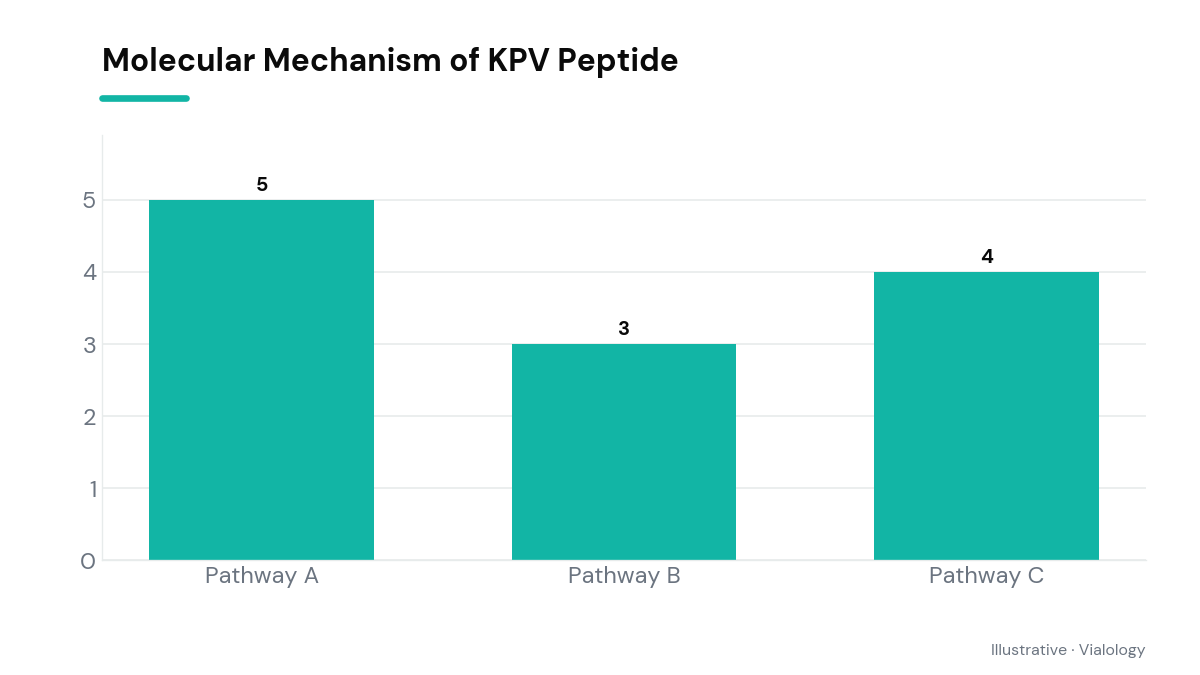
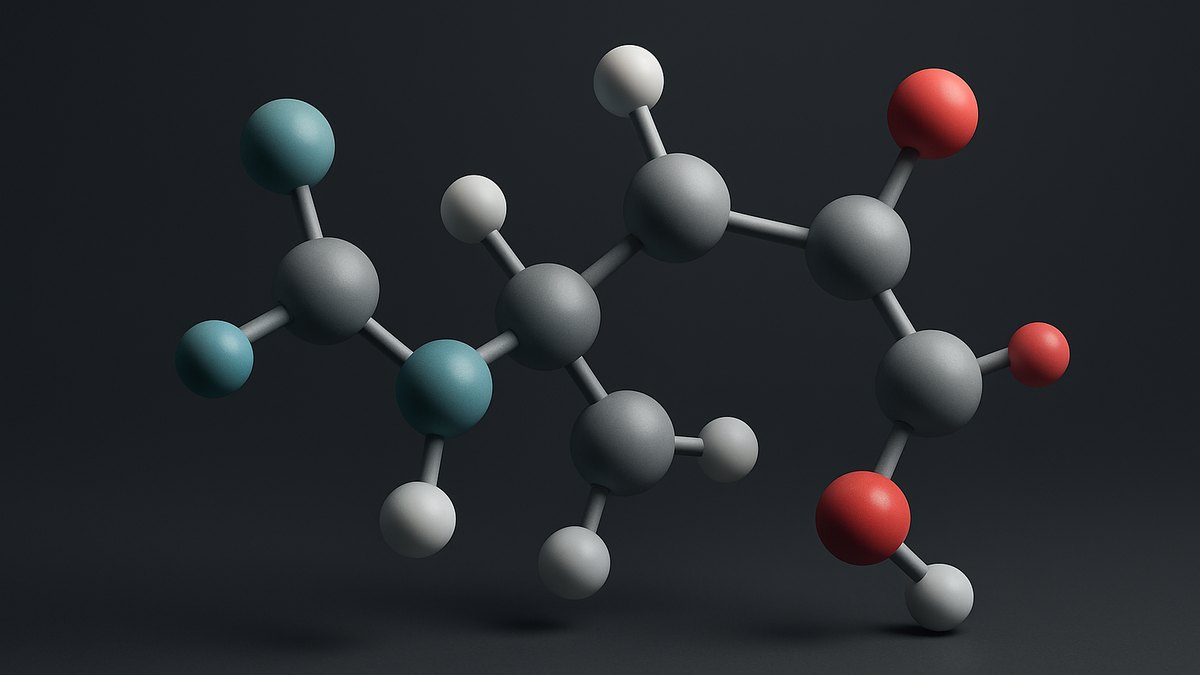
At its core, the KPV peptide consists of three amino acids: Lysine, Proline, and Valine. In laboratory models, researchers have observed that this specific sequence interacts with host immune cells to downregulate inflammatory signaling pathways. Specifically, studies suggest that KPV can enter cells and interact directly with NF-kB, a crucial protein complex that controls the transcription of DNA, cytokine production, and cell survival. By inhibiting the translocation of NF-kB into the cell nucleus, KPV appears to suppress the expression of pro-inflammatory cytokines such as TNF-alpha, IL-1, and IL-6.
Beyond its intracellular mechanisms, KPV is also studied for its potential antimicrobial properties. Researchers hypothesize that the peptide’s structural charge allows it to disrupt the cell membranes of certain pathogens, particularly fungi like Candida albicans. This dual-action profile—acting as both an anti-inflammatory agent and an antimicrobial candidate—makes it a unique subject in the broader landscape of peptide science.
Investigating KPV Peptide in Gastrointestinal Health
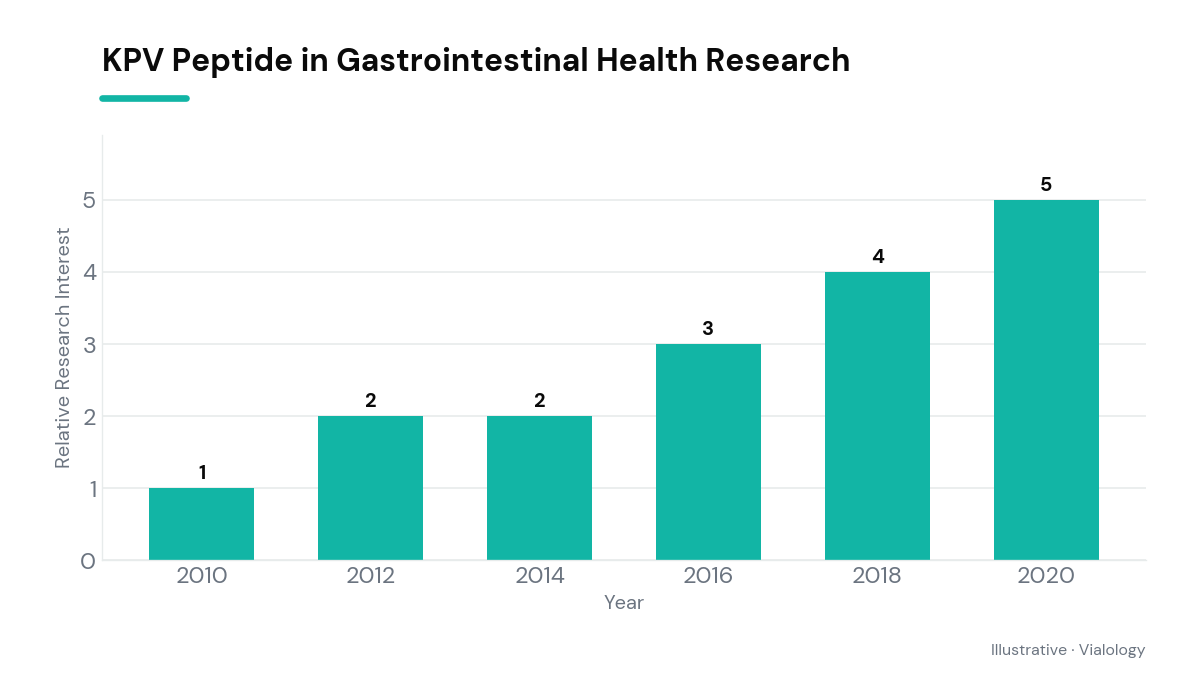
Much of the current scientific literature surrounding KPV focuses on its potential application in inflammatory bowel diseases. In animal models of colitis, researchers have administered KPV orally and via target-delivery systems to observe its effects on mucosal healing. A 2017 study published in various biomaterial journals demonstrated that microparticulate delivery systems designed to release KPV directly in the colon significantly reduced mucosal inflammation and accelerated tissue repair in mice.
By safeguarding the integrity of the intestinal epithelial barrier, KPV may prevent the translocation of harmful bacteria from the gut lumen into the bloodstream. While these animal trials provide a promising foundation, clinical human trials remain limited. To learn more about the scientific timeline and experimental assays associated with this compound, readers can consult KPV peptide research for detailed methodologies and historical studies.
Dermatological Studies and Wound Healing
KPV’s parent molecule, alpha-MSH, has long been known to play a role in skin biology, but its tendency to stimulate melanin production limits its clinical utility for non-pigmentary conditions. Because KPV lacks the melanotropic sequence of alpha-MSH, it can be studied for skin inflammation without altering skin color. In vitro experiments on human skin cells have shown that KPV reduces the inflammatory response triggered by environmental stressors, which has led researchers to investigate its potential in conditions like psoriasis, eczema, and dermatitis.
Additionally, wound-healing models indicate that KPV may influence the remodeling phase of tissue repair. By modulating the balance of collagen production and limiting the overexpression of inflammatory markers at the wound site, the peptide is being evaluated for its ability to minimize scar tissue formation. These structural studies suggest that KPV’s tiny molecular weight allows it to penetrate skin barriers more effectively than larger, more complex proteins.
Current Research Limitations and FDA Status
Despite the promising laboratory findings, it is crucial to recognize that KPV is still in the early stages of research. The Food and Drug Administration has not approved KPV for human use, and it remains classified primarily as a research chemical. Most of the available data is derived from cell cultures and rodent models, meaning that the compound’s safety, pharmacokinetics, and efficacy profiles in humans are not yet fully established.
Researchers emphasize that translating animal-model success to human clinical application is a complex hurdle. Factors such as oral bioavailability, systemic stability, and long-term safety require rigorous, large-scale human clinical trials before any definitive therapeutic claims can be made. Until then, KPV remains a compelling but experimental molecule under active scientific investigation.
Related on Vialology
Frequently asked questions
What is KPV peptide?
KPV is a three-amino-acid peptide derived from alpha-melanocyte-stimulating hormone that is researched for its anti-inflammatory and antimicrobial properties.
Does KPV cause skin tanning or darkening?
No, KPV lacks the specific amino acid sequence responsible for stimulating melanogenesis, meaning it does not cause skin pigmentation changes like its parent hormone.
Is KPV approved by the FDA?
No, the KPV peptide is not approved by the Food and Drug Administration for human use or therapeutic applications and remains limited to laboratory research.
How does KPV combat inflammation in research models?
Research indicates that KPV can enter cells and inhibit the NF-kB signaling pathway, thereby reducing the production of pro-inflammatory cytokines that drive tissue damage.
Educational use only. Vialology publishes journalistic and educational content about peptide science. Nothing here is medical advice, diagnosis, or treatment, and nothing should be taken as an endorsement to use any substance. Many peptides discussed are experimental and are not approved by the FDA for human use. Always consult a licensed healthcare professional before making any health decision.