

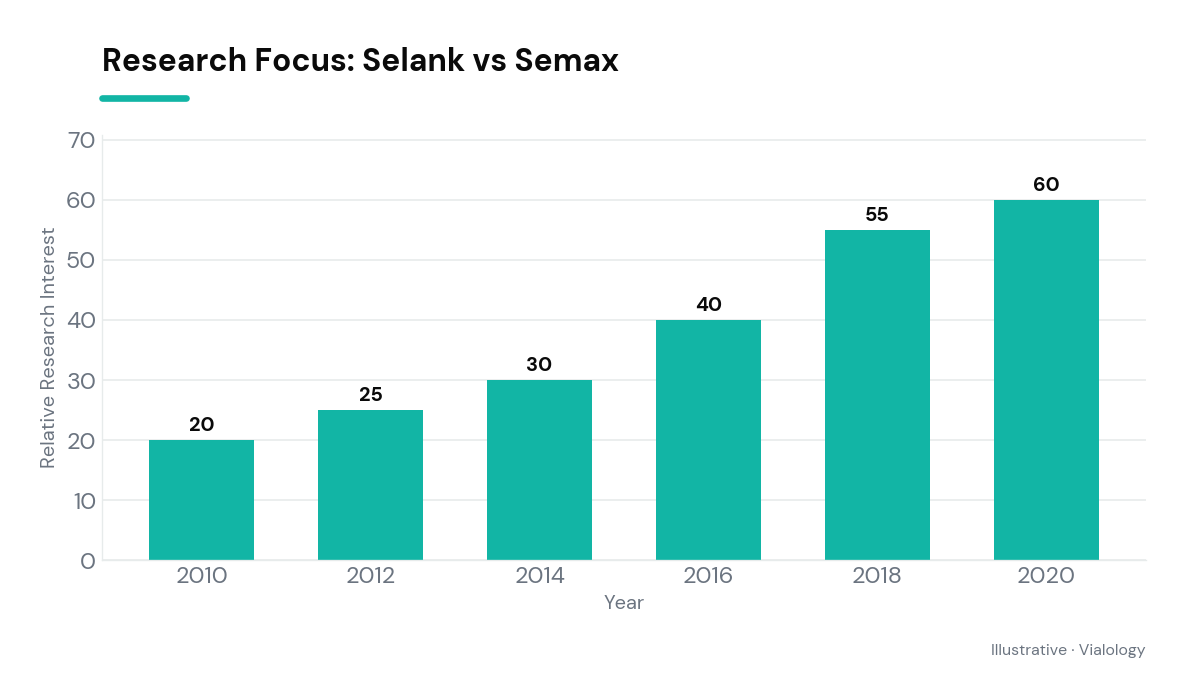
When exploring the frontier of synthetic neuropeptides, the debate of selank vs semax represents a fascinating intersection of Soviet-era neuroscience and modern cognitive research. Developed in the late 20th century by the Institute of Molecular Genetics at the Russian Academy of Sciences, both compounds are regulatory peptides designed to mimic endogenous regulatory systems. This article explores their distinct molecular mechanisms and evaluates how their bioavailability profiles align with non-invasive administration formats.
Understanding the Mechanisms: Selank vs Semax
At a cellular level, Selank and Semax exert dramatically different effects on the central nervous system despite sharing a similar origin story. Selank is a synthetic heptapeptide derived from the naturally occurring immunomodulatory peptide tuftsin, which has been shown in clinical and animal studies to regulate the expression of interleukins and modulate the metabolism of monoamine neurotransmitters like serotonin. In contrast, Semax is a synthetic analogue of adrenocorticotropic hormone (ACTH), specifically containing the ACTH(4-7) fragment fused with a Pro-Gly-Pro tripeptide for added stability. Animal models show that Semax dramatically enhances the expression of neurotrophins such as brain-derived neurotrophic factor (BDNF) and nerve growth factor (NGF) in the hippocampus, lending itself more to cognitive-enhancement and neuroprotective research.
While both peptides are studied for their potential to support neurological resilience under stressful conditions, their physiological pathways lead to divergent experimental outcomes. Selank is primarily investigated for its anxiolytic-like effects, operating through GABAergic pathways without producing the sedative or addictive properties of traditional benzodiazepines. Conversely, Semax is primarily researched for its potential to improve executive function, memory retrieval, and resistance to hypoxia, making it a staple of cognitive performance and stroke recovery models in Eastern European clinical literature.
Bioavailability and the Shift to Non-Invasive Formats
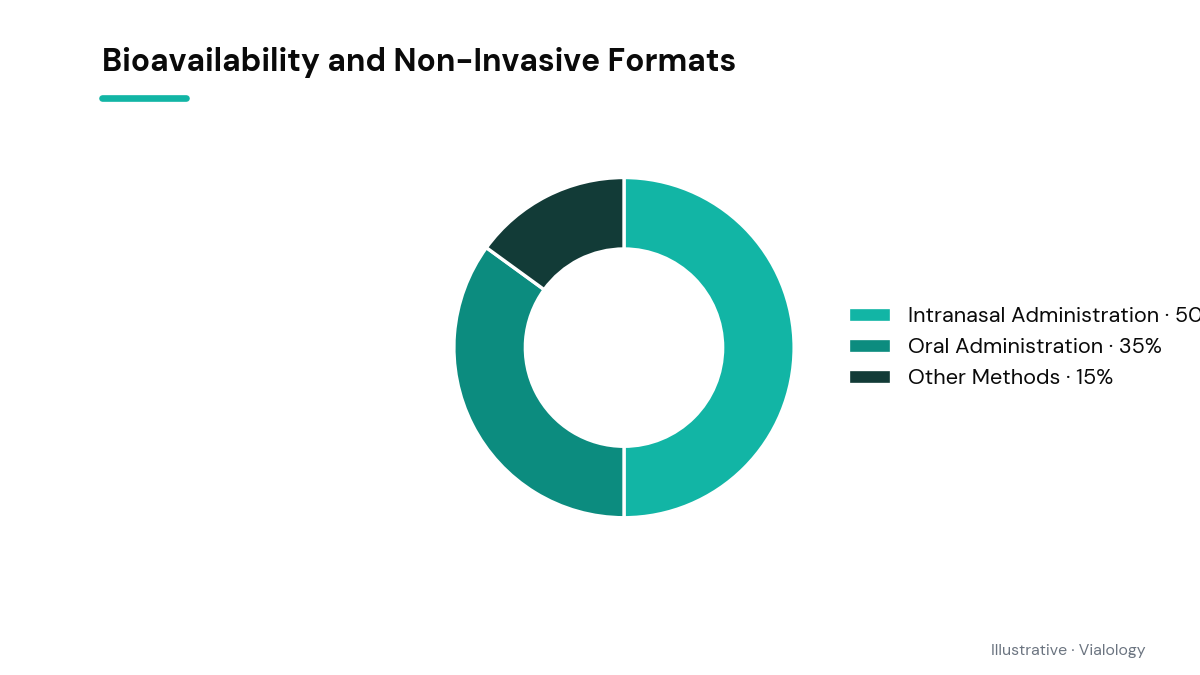
Traditionally, both peptides are administered via subcutaneous injection or intranasal sprays to bypass the harsh enzymatic degradation of the gastrointestinal tract. This enzymatic vulnerability is a major hurdle in peptide science, as oral ingestion typically reduces complex peptides to inactive amino acids before they can cross the intestinal barrier. However, modern research is increasingly looking at alternative oral delivery systems, leading investigators to contrast the feasibility of Selank vs Semax capsules with conventional liquid formulations in laboratory environments.
In oral research models, protective enteric coatings and enzyme inhibitors are often utilized to shield the peptide chains from pepsin and other gastric enzymes. Because Semax is a highly sensitive ACTH fragment, its stability in the gut is notoriously low without advanced lipid-based or polymeric carriers that actively prevent enzymatic cleavage. Selank, being a modified tuftsin analogue, displays slightly different stability characteristics, but still undergoes rapid hydrolysis in the stomach unless specifically protected by gastric-resistant technology or co-administered with absorption enhancers.
Which Peptide Fits the Capsule-Format Research Model?
When evaluating which peptide is better suited for capsule-based laboratory investigations, molecular stability and target pathways play critical roles. Because Semax acts heavily on rapid cognitive pathways and neuroprotection against acute stressors like hypoxia, the delayed absorption curve of gastric-resistant capsules can obscure its immediate neurochemical impact. Selank research, which focuses on long-term systemic balance, neurogenesis, and sustained stress-response modulation, is conceptually more compatible with the gradual, steady-state release of oral or enteric-coated capsule formulations.
Furthermore, the physical properties of the peptides themselves dictate their formulation success. Lyophilized Selank has shown stability under broader temperature ranges when compared to certain configurations of Semax, which are highly prone to degradation when exposed to heat and moisture. For researchers aiming to standardize dosing protocols without the variable absorption rates associated with nasal sprays, stabilizing Selank within an advanced polymer matrix presents a highly promising pathway for investigating oral peptide kinetics.
Related on Vialology
Frequently asked questions
What is the main difference between Selank and Semax?
Selank is an anxiolytic-like heptapeptide modeled after tuftsin that modulates serotonin and GABA, while Semax is a neuroprotective ACTH analogue that influences dopamine, BDNF, and cognitive focus.
Are Selank and Semax approved by the FDA?
Neither Selank nor Semax is approved by the US Food and Drug Administration (FDA) for human medical use, and both remain classified as research chemicals in many jurisdictions.
Can these peptides be taken orally as capsules?
While research explores gastric-resistant coatings to protect these peptides from enzymatic breakdown, oral bioavailability is naturally very low, making traditional intranasal or subcutaneous routes more common in existing clinical literature.
Educational use only. Vialology publishes journalistic and educational content about peptide science. Nothing here is medical advice, diagnosis, or treatment, and nothing should be taken as an endorsement to use any substance. Many peptides discussed are experimental and are not approved by the FDA for human use. Always consult a licensed healthcare professional before making any health decision.