

Emerging research into metabolic science has drawn significant attention to the reta peptide, an experimental single-molecule triple-hormone receptor agonist. Developed to target three distinct physiological pathways simultaneously, this novel investigational compound represents a new frontier in peptide engineering. While currently undergoing evaluation in advanced clinical trials, early findings offer a compelling look into the future of multi-receptor targeted research.
Understanding the Triple Agonist Architecture of Reta Peptide
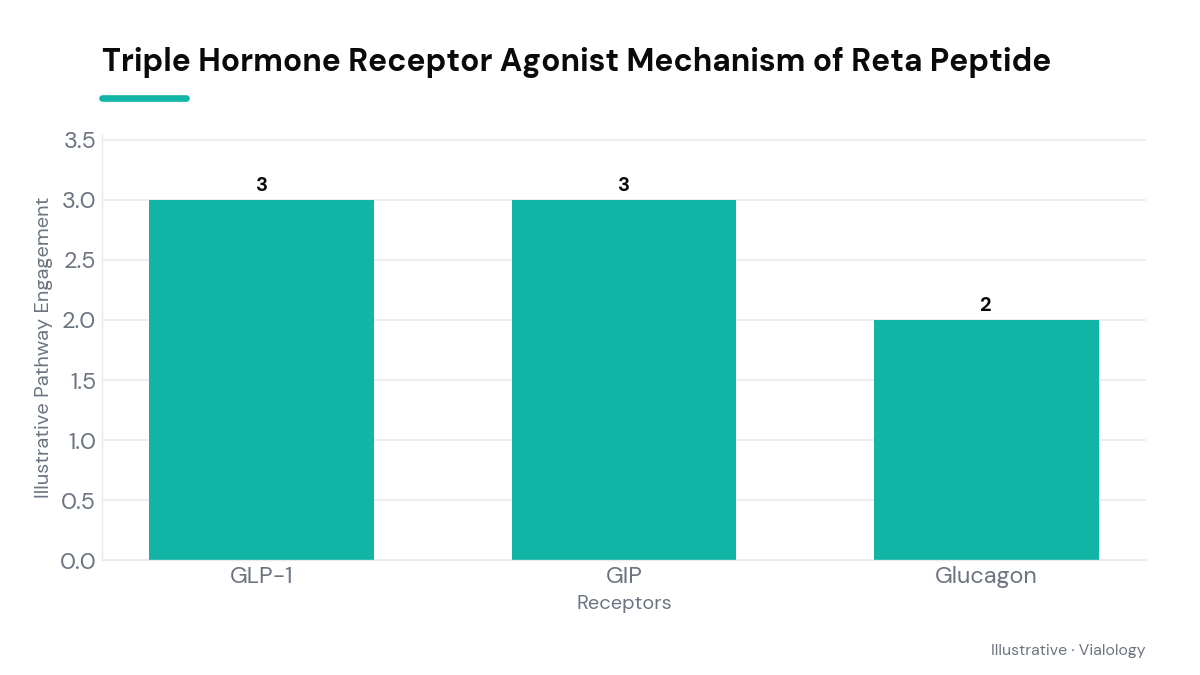
Metabolic regulation in human biology relies on a complex network of peptide hormones that signal hunger, satiety, and fuel utilization. Traditional therapeutic strategies historically targeted a single pathway, such as glucagon-like peptide-1 (GLP-1), to enhance insulin secretion and promote fullness. However, the development of the reta peptide represents a paradigm shift toward multi-receptor engagement. Retatrutide is engineered to concurrently activate three distinct receptors: GLP-1, glucose-dependent insulinotropic polypeptide (GIP), and glucagon (GCG). By engaging all three pathways within a single molecular structure, researchers aim to trigger synergistic biochemical cascades that single-agonist or dual-agonist compounds cannot achieve alone.
Biochemical analyses indicate that each arm of this tri-agonist mechanism plays a discrete role in metabolic homeostasis. GLP-1 receptor activation slows gastric emptying and signals satiety in the central nervous system, while GIP receptor stimulation enhances glucose-dependent insulin release and modulates fat cell function. The integration of glucagon receptor agonism is particularly notable, as glucagon stimulation increases energy expenditure and promotes lipid breakdown in the liver. Together, this three-pronged approach allows researchers to study metabolic dysregulation through a significantly broader physiological lens.
Clinical Trial Insights: Phase 2 Data on Retatrutide
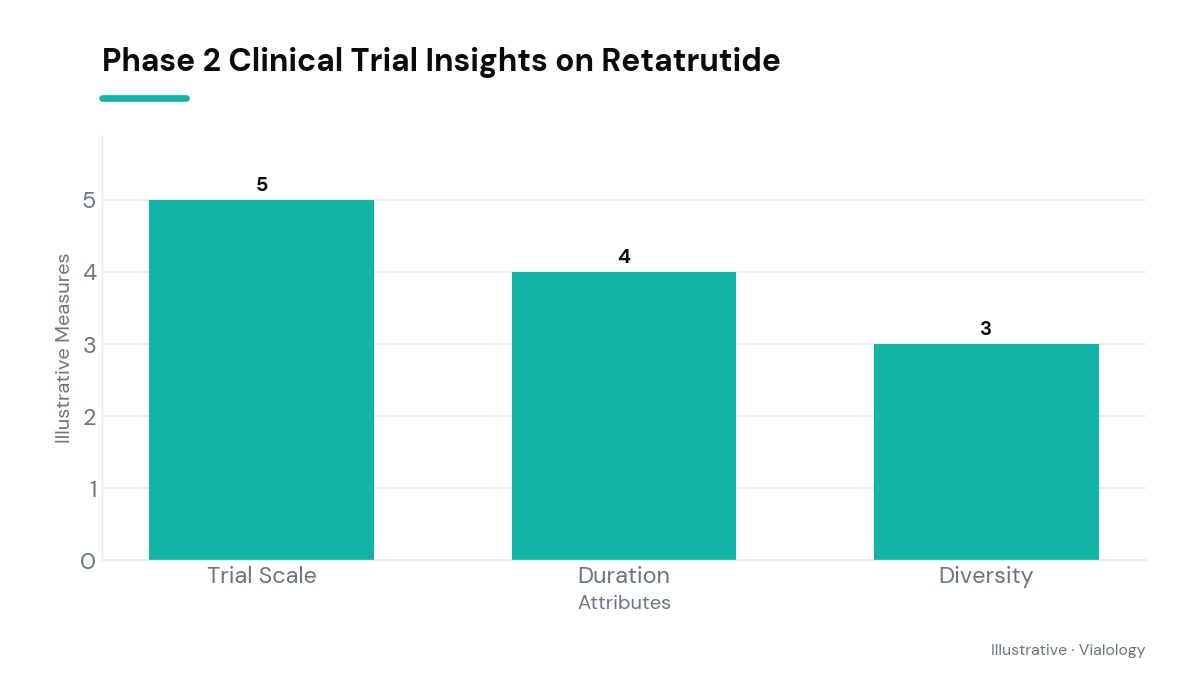
The efficacy and physiological effects of retatrutide have been documented in rigorous clinical studies, most notably a Phase 2 trial published in The New England Journal of Medicine in 2023. In this randomized, double-blind, placebo-controlled trial involving adults with obesity, participants receiving higher doses of the investigational compound experienced substantial reductions in mean body weight over a 48-week period. The data revealed a clear dose-dependent response, with the highest dosage group achieving an average weight reduction exceeding 24 percent, marking a significant milestone in metabolic research.
Beyond weight metrics, secondary endpoints in clinical trials evaluated key cardiometabolic indicators, including glycated hemoglobin (HbA1c), blood pressure, and lipid levels. Investigators noted marked improvements in glycemic control among trial participants with type 2 diabetes, alongside significant reductions in hepatic fat content measured via magnetic resonance imaging. However, trial data also documented a safety profile consistent with incretin-based therapies. The most frequently reported adverse events were gastrointestinal, including nausea, diarrhea, and vomiting, which were primarily mild to moderate and occurred predominantly during initial dose-escalation phases.

Mechanistic Synergy: The Role of Glucagon Activation
To understand why scientists are closely studying retatrutide, it is essential to examine the specific contribution of glucagon receptor activation. In classical endocrinology, glucagon was often viewed primarily as a counter-regulatory hormone that elevates blood glucose. However, modern peptide research highlights glucagon’s potent capacity to increase resting energy expenditure and promote thermogenesis. By carefully balancing glucagon activity alongside GLP-1 and GIP signaling, the molecule attempts to elevate metabolic rate while preventing hyperglycemia through enhanced glucose-dependent insulin secretion.
Preclinical animal models provided early proof-of-concept for this balanced tri-agonist strategy. In rodent models of diet-induced obesity, triple receptor agonists demonstrated superior weight reduction and liver fat clearance compared to dual GLP-1/GIP agonists, even when food intake levels were similar. This suggested that increased energy expenditure driven by glucagon signaling provided an additive metabolic benefit. Furthermore, subgroup analyses focusing on non-alcoholic fatty liver disease (NAFLD) suggest that rapid reduction in liver fat may be one of the distinct biological signatures of glucagon-inclusive therapies.
Regulatory Status and Ongoing Phase 3 Investigations
Despite encouraging clinical data, retatrutide remains an investigational drug and is not approved by the U.S. Food and Drug Administration (FDA) or any international regulatory authority. As an unapproved compound, it is restricted to controlled laboratory and clinical trial environments and is not legally prescribed or marketed for medical use. Comprehensive late-stage research programs, including the global TRIUMPH Phase 3 clinical trial series, are currently underway to further evaluate the safety, efficacy, and cardiovascular outcomes of the compound across diverse patient populations.
Medical researchers emphasize that long-term safety data are essential before final conclusions regarding clinical utility can be established. Phase 3 trials involve thousands of participants monitored over extended timelines to identify rare potential side effects and confirm the durability of observed outcomes. Until these extensive trials are completed and thoroughly reviewed by regulatory bodies, the compound remains a subject of active scientific investigation rather than a validated clinical intervention.
Related on Vialology
Frequently asked questions
What is the scientific mechanism of the reta peptide?
The reta peptide is a triple-hormone receptor agonist that simultaneously targets and activates GLP-1, GIP, and glucagon receptors to modulate appetite, insulin secretion, and energy expenditure.
How does retatrutide differ from dual-agonist peptides?
Unlike dual agonists that target only GLP-1 and GIP receptors, retatrutide includes glucagon receptor agonism, which research indicates increases resting metabolic rate and promotes liver fat breakdown.
What clinical trials have investigated the reta peptide?
Retatrutide was evaluated in landmark Phase 2 clinical trials published in 2023 for obesity and type 2 diabetes, with global Phase 3 trials currently underway to assess long-term safety and efficacy.
Is the reta peptide approved for medical use?
No, retatrutide is an investigational drug that has not received approval from the FDA or any other global regulatory agency for medical or therapeutic use.
Educational use only. Vialology publishes journalistic and educational content about peptide science. Nothing here is medical advice, diagnosis, or treatment, and nothing should be taken as an endorsement to use any substance. Many peptides discussed are experimental and are not approved by the FDA for human use. Always consult a licensed healthcare professional before making any health decision.