
Understanding the full scope of kpv peptide benefits requires a close look at the emerging preclinical literature surrounding this tripeptide. Derived from alpha-melanocyte-stimulating hormone (alpha-MSH), KPV has caught the attention of researchers for its potential anti-inflammatory and antimicrobial properties. While it remains an unapproved investigational compound not intended for human use, early laboratory studies offer fascinating insights into its biological mechanisms.
The Science Behind the Tripeptide
KPV is a naturally occurring tripeptide consisting of three amino acids: lysine, proline, and valine. It represents the C-terminal fragment of the larger alpha-melanocyte-stimulating hormone (alpha-MSH) molecule. While alpha-MSH is well-known for its role in pigmentation, researchers discovered that its anti-inflammatory properties are largely preserved in this smaller, three-amino-acid sequence. Crucially, because KPV lacks the specific sequence required to activate melanocortin 1 receptors responsible for skin darkening, it does not induce pigmentary changes, making it a highly specific subject of therapeutic research.
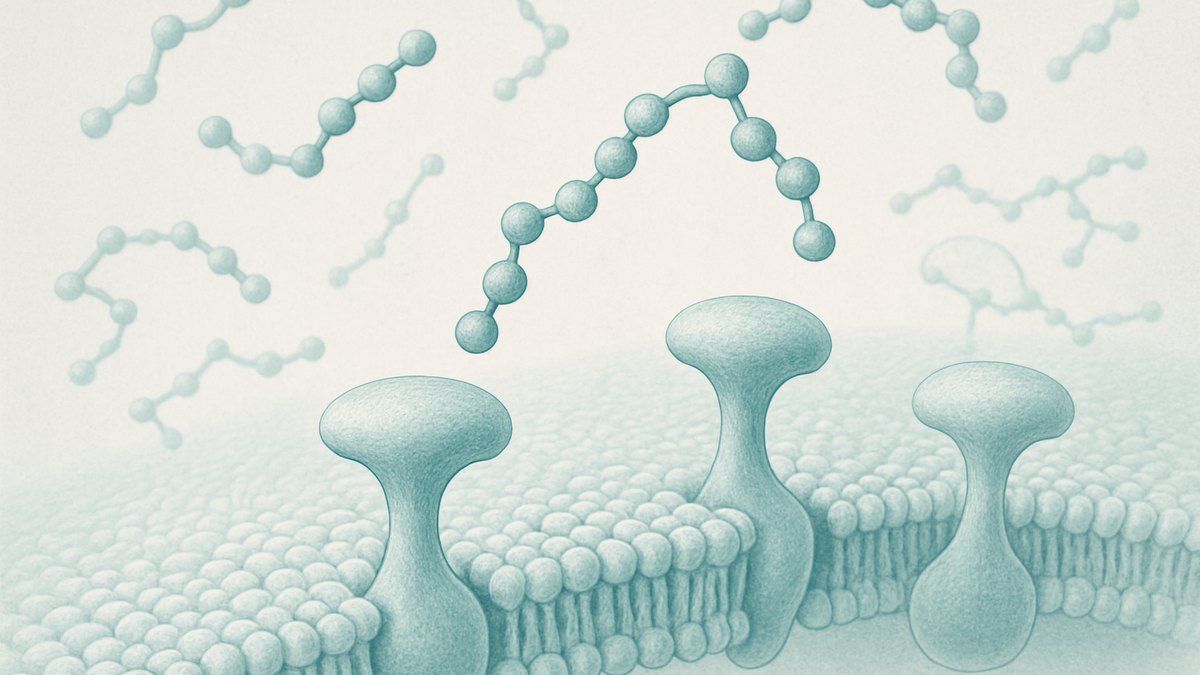
In laboratory settings, KPV is studied for its ability to enter cells directly and interact with intracellular signaling pathways. Unlike larger peptides that require complex receptor-mediated transport, KPV’s tiny molecular weight allows it to easily penetrate cell membranes. According to Omnix’s KPV research, this structural simplicity is one of the primary reasons the compound is being investigated for localized applications, particularly in the gastrointestinal tract and skin.
Exploring KPV Peptide Benefits in Inflammatory Models
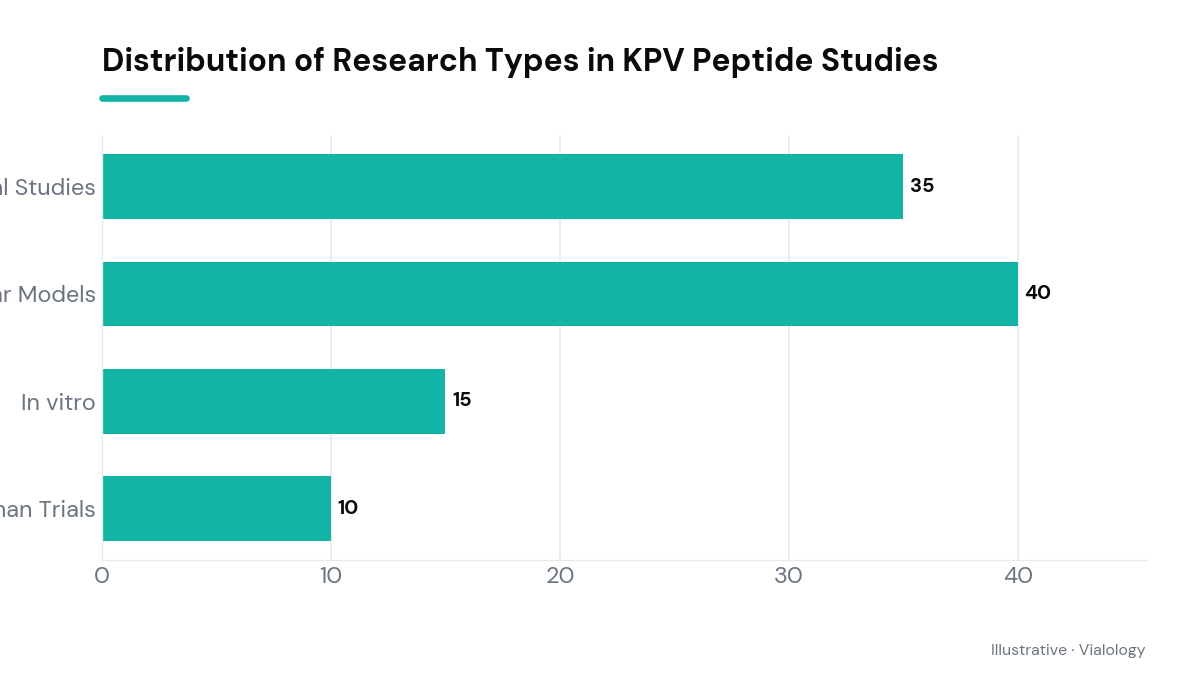
A significant portion of KPV research focuses on its potential to modulate inflammatory cascades. In vitro and animal models of inflammatory bowel disease (IBD) suggest that KPV may help downregulate key pro-inflammatory cytokines, such as tumor necrosis factor-alpha (TNF-alpha) and interleukin-8 (IL-8). By inhibiting the activation of nuclear factor kappa B (NF-kB)—a primary transcription factor that drives systemic inflammation—KPV has demonstrated an ability to limit mucosal damage in rodent models of colitis.
Researchers are particularly interested in how KPV interacts with intestinal epithelial cells. In these animal studies, the peptide appeared to promote mucosal healing and preserve the integrity of the intestinal barrier. While these preclinical findings are promising, it is important to emphasize that human clinical trials are exceptionally limited, and the compound is not currently approved by the FDA to treat, cure, or prevent any gastrointestinal disorders.
Cellular Repair and Wound Healing Research
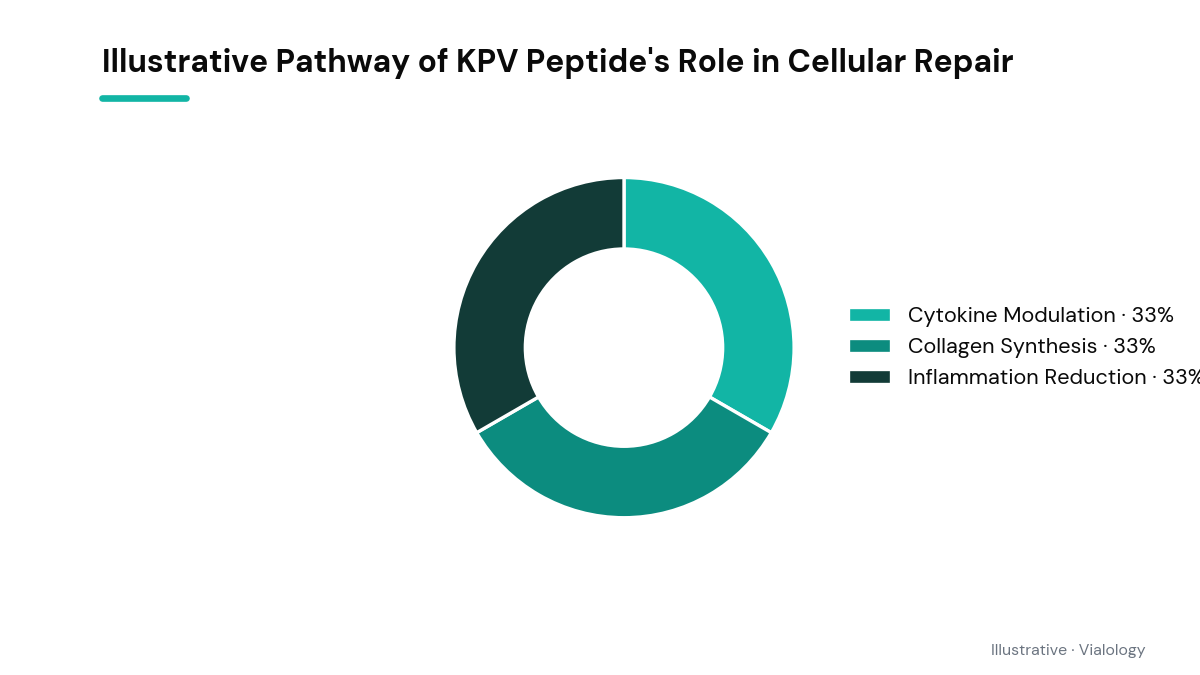
Beyond its anti-inflammatory properties, KPV has demonstrated intriguing antimicrobial activity in laboratory assays. Specifically, studies have shown that the peptide can inhibit the growth of common pathogens, including Staphylococcus aureus and Candida albicans. Researchers hypothesize that KPV’s antimicrobial effect, combined with its ability to mitigate local inflammation, could make it a useful tool for studying wound healing processes and skin barrier restoration.
In animal models of skin injury, topical applications of KPV have been associated with accelerated wound closure, reduced scar tissue formation, and balanced collagen deposition. By modulating the local immune response at the site of injury, the peptide helps transition the wound from an active inflammatory phase to a proliferative healing phase. However, because these studies are restricted to animal and cellular models, further research is required to determine if these effects translate safely to human physiology.
Related on Vialology
Frequently asked questions
What is KPV peptide used for in scientific research?
Researchers study KPV primarily to investigate its potential anti-inflammatory, antimicrobial, and mucosal-healing properties in laboratory and animal models.
Is KPV peptide FDA-approved for human use?
No, KPV is currently an investigational peptide and is not approved by the FDA for the treatment, prevention, or cure of any medical condition.
How does KPV differ from alpha-MSH?
KPV is a three-amino-acid fragment of alpha-MSH that retains its anti-inflammatory properties without triggering the melanocortin receptors responsible for skin pigmentation.
Educational use only. Vialology publishes journalistic and educational content about peptide science. Nothing here is medical advice, diagnosis, or treatment, and nothing should be taken as an endorsement to use any substance. Many peptides discussed are experimental and are not approved by the FDA for human use. Always consult a licensed healthcare professional before making any health decision.