

Understanding the parameters of a tesamorelin dosage is a primary focus for researchers studying growth hormone secretagogues and their impact on adipose tissue distribution. Developed as a synthetic analogue of growth hormone-releasing hormone (GHRH), this peptide has been the subject of rigorous clinical evaluation for its ability to stimulate endogenous growth hormone secretion. By examining the established parameters used in clinical trials, scientists continue to evaluate its therapeutic potential and physiological mechanisms.
Clinical Applications and Studied Tesamorelin Dosage Parameters
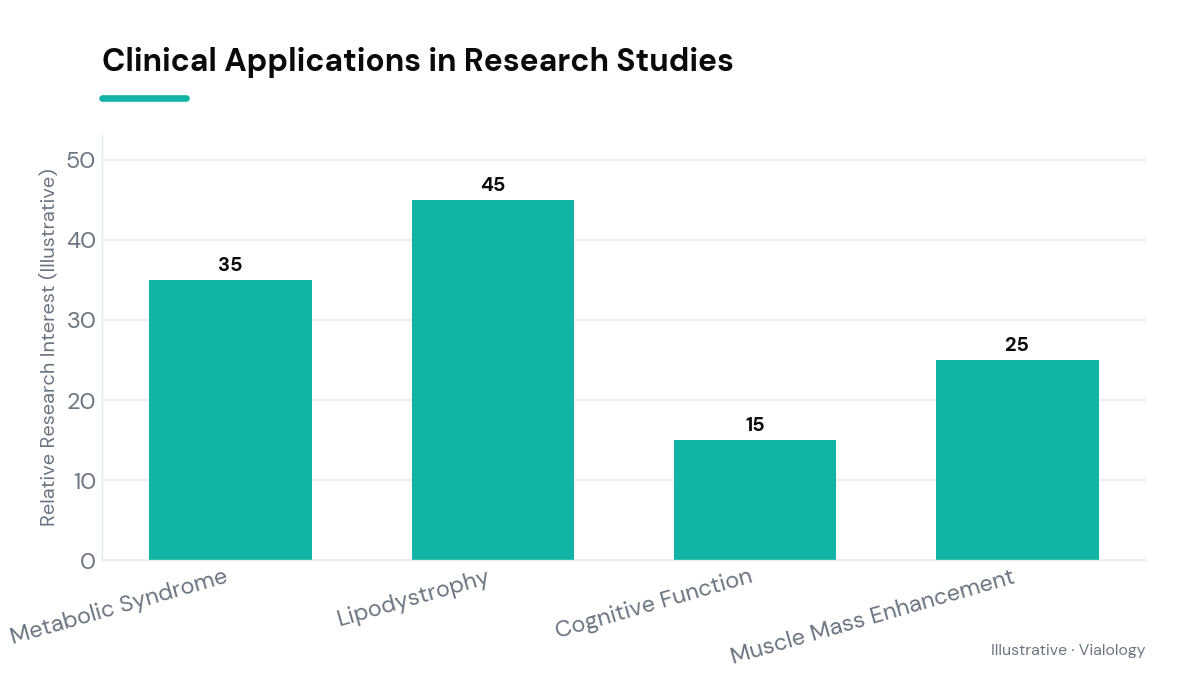
In clinical research, particularly the landmark trials that led to its regulatory approval for specific medical conditions, the standard investigated tesamorelin dosage was established at 2 mg administered subcutaneously once daily. These initial studies, published in peer-reviewed journals, primarily evaluated patients with HIV-associated lipodystrophy who exhibited excess visceral adipose tissue. Researchers observed that this specific daily amount was effective at stimulating the pituitary gland to release growth hormone, which in turn promoted the reduction of deep belly fat without significantly disrupting glucose homeostasis.
Investigators monitoring these clinical cohorts noted that the biological response to the peptide is highly dose-dependent. While lower doses were explored in early-phase dose-ranging trials, the 2 mg threshold demonstrated the most consistent efficacy in reducing visceral fat area as measured by computed tomography (CT) scans. It is critical to note that in these academic settings, the peptide was administered under strict clinical supervision, with researchers continuously monitoring serum insulin-like growth factor 1 (IGF-1) levels.
Mechanisms of Action Behind Growth Hormone Stimulation
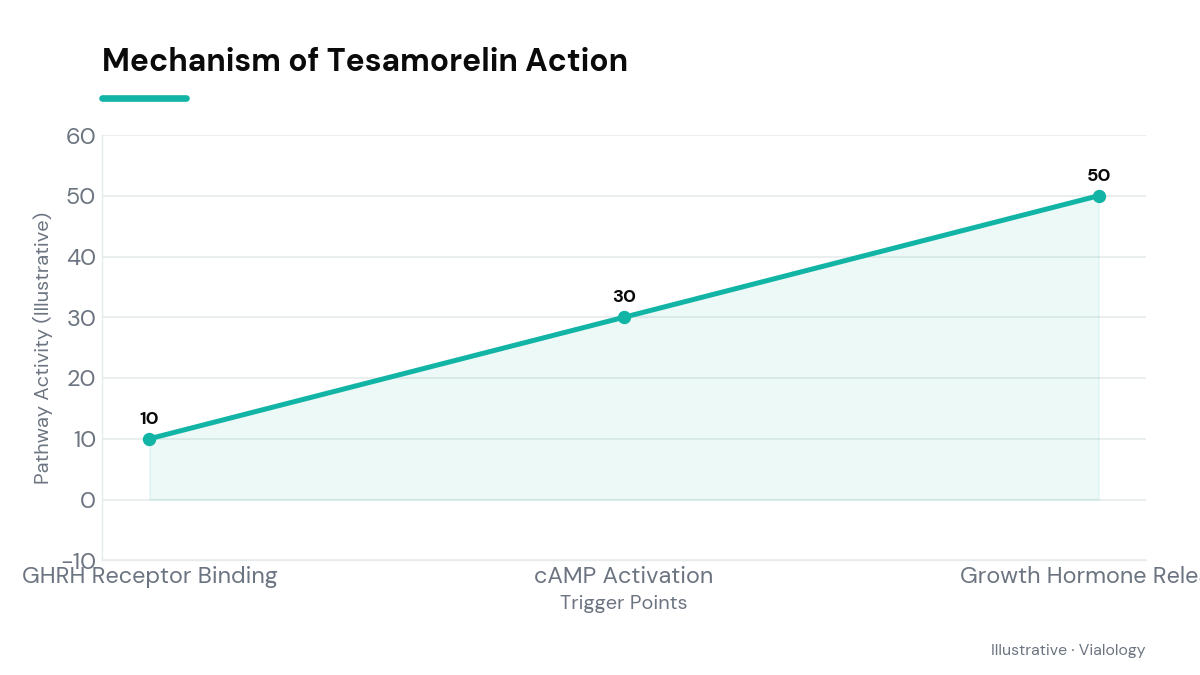
Tesamorelin operates by mimicking endogenous growth hormone-releasing hormone, binding to GHRH receptors on the somatotroph cells of the anterior pituitary gland. Unlike synthetic growth hormone therapy, which can cause unnatural spikes in systemic hormone levels, this peptide preserves the natural pulsatile release of growth hormone. For a deeper look into the molecular pathways and clinical trial data, researchers often consult Omnix’s Tesamorelin research to understand how the compound interacts with metabolic pathways. This mechanism preserves the negative feedback loop regulated by somatostatin, minimizing some of the risks associated with direct growth hormone administration.
By stimulating the production and secretion of endogenous growth hormone, the peptide indirectly elevates circulating levels of insulin-like growth factor 1. This elevation mediates many of the lipolytic effects observed in clinical subjects, encouraging the breakdown of triglycerides in visceral fat cells. Because visceral fat is highly metabolically active and associated with systemic inflammation, the targeted reduction of this tissue remains a key area of study for endocrinologists and metabolic health researchers.

Safety Profiles and Monitoring in Research Cohorts
Across multiple clinical trials, the safety profile of the studied tesamorelin dosage was thoroughly documented. The most frequently reported adverse effects in these research cohorts included injection site reactions, such as erythema, pruritus, and pain, as well as musculoskeletal discomfort like arthralgia and peripheral edema. Because growth hormone can influence insulin sensitivity, researchers also carefully tracked blood glucose levels and HbA1c in participants, noting that while transient increases in blood sugar occurred in some individuals, they typically resolved or stabilized over the course of the treatment period.
Long-term safety monitoring in clinical trials emphasizes the importance of evaluating IGF-1 levels. Because excessively high levels of IGF-1 are associated with conditions like acromegaly, clinical guidelines for researchers advise temporary discontinuation or dose adjustment if IGF-1 levels exceed upper limits of normal for the subject’s demographic. This cautious approach ensures that the metabolic benefits of visceral fat reduction are not compromised by the systemic risks of chronic growth hormone excess.
Related on Vialology
Frequently asked questions
What is the standard tesamorelin dosage used in clinical trials?
In clinical research and approved medical indications, the standard studied dosage is 2 mg administered subcutaneously once per day.
How long does it take to see results from tesamorelin in research studies?
Clinical trials typically evaluate outcomes over a period of 26 to 52 weeks, with significant reductions in visceral adipose tissue often observed by the six-month mark.
Does tesamorelin require reconstitution for research use?
Yes, in laboratory and clinical settings, the sterile lyophilized powder must be reconstituted with a sterile diluent, such as bacteriostatic water, prior to administration.
Can tesamorelin cause insulin resistance during clinical trials?
While some subjects in clinical trials experienced transient increases in blood glucose, these metabolic markers generally remained stable for most participants under close monitoring.
Educational use only. Vialology publishes journalistic and educational content about peptide science. Nothing here is medical advice, diagnosis, or treatment, and nothing should be taken as an endorsement to use any substance. Many peptides discussed are experimental and are not approved by the FDA for human use. Always consult a licensed healthcare professional before making any health decision.