
To understand the cutting edge of modern medicine and biotechnology, one must first answer a fundamental question: what are peptides? These short chains of amino acids serve as the precise biological software of the human body, directing everything from hormone release to tissue repair. By acting as highly targeted cellular messengers, they bridge the gap between basic biochemistry and complex systemic health, offering researchers a powerful toolkit for understanding human physiology.
Demystifying the Molecular Structure: What Are Peptides?
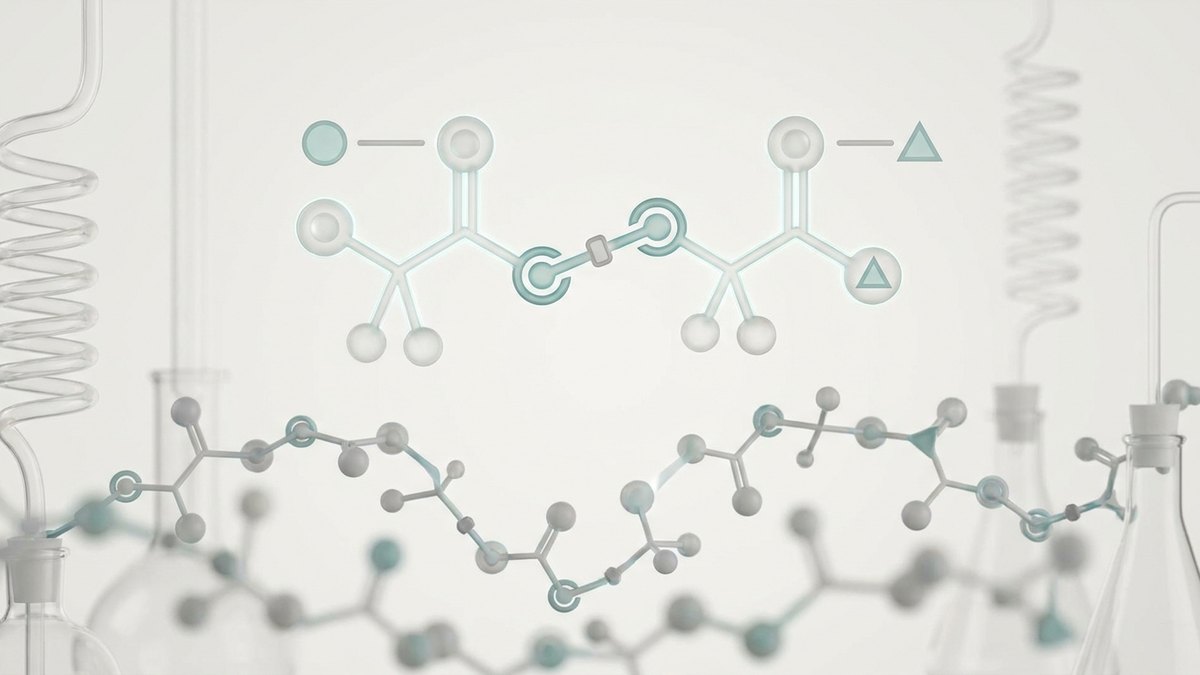
At their chemical core, both peptides and proteins are constructed from the same fundamental building blocks: amino acids. When these amino acids link together via covalent bonds known as peptide bonds, they form a polymer chain. The primary distinction between the two lies in their size and structural complexity. Generally, a peptide consists of a short chain containing between 2 and 50 amino acids, whereas a protein is a larger macromolecule typically composed of more than 50 amino acids folded into a complex three-dimensional shape. Because of their smaller size, peptides are more flexible and often lack the intricate, rigid folding that defines protein function.
This structural difference is not merely academic; it dictates how these molecules behave inside the body. While proteins often serve as structural components (like collagen) or catalytic machinery (like enzymes), peptides function primarily as transient signaling molecules. Their smaller molecular weight allows them to navigate cellular pathways with agility, binding to specific receptors on target cells to trigger rapid physiological responses. Over the years, biochemists have cataloged thousands of natural peptides, each uniquely coded by its specific sequence of amino acids to deliver highly targeted biological instructions.
How Peptides Coordinate Cellular Communication
Inside a living organism, cells must constantly communicate to maintain homeostasis. Peptides serve as the primary vocabulary of this cellular conversation, operating as biochemical keys that fit into specific receptor locks. When a peptide is released into the bloodstream or extracellular fluid, it seeks out its matching receptor—typically a G-protein-coupled receptor (GPCR) on the surface of a target cell. A classic example of this mechanism is insulin, a 51-amino-acid peptide hormone discovered in 1921, which binds to insulin receptors to signal cells to absorb glucose.
Once the peptide binds to its target receptor, it initiates a cascade of intracellular events known as a signal transduction pathway. This biochemical domino effect translates the external peptide signal into a specific cellular action, such as synthesizing a new protein, opening an ion channel, or activating a metabolic pathway. Because this signaling is highly specific, peptides can regulate localized biological processes with remarkable precision, minimizing the likelihood of unintended cross-reactivity with unrelated cellular systems—a characteristic that makes them highly attractive to modern pharmacological researchers.
The Evolution of Peptides in Scientific Research
The study of peptides has transitioned from fundamental organic chemistry to a cornerstone of modern biotechnology. Historically, researchers relied entirely on extracting peptides from natural animal sources, a painstaking process that limited their experimental utility. However, the development of Solid-Phase Peptide Synthesis (SPPS) by Robert Bruce Merrifield in 1963 revolutionized the field, allowing scientists to reliably synthesize custom peptide chains in laboratory settings. Today, researchers utilize synthetic peptides to investigate everything from antimicrobial properties to tissue regeneration mechanisms in animal models, expanding our understanding of wound healing, immune response, and neurobiology.
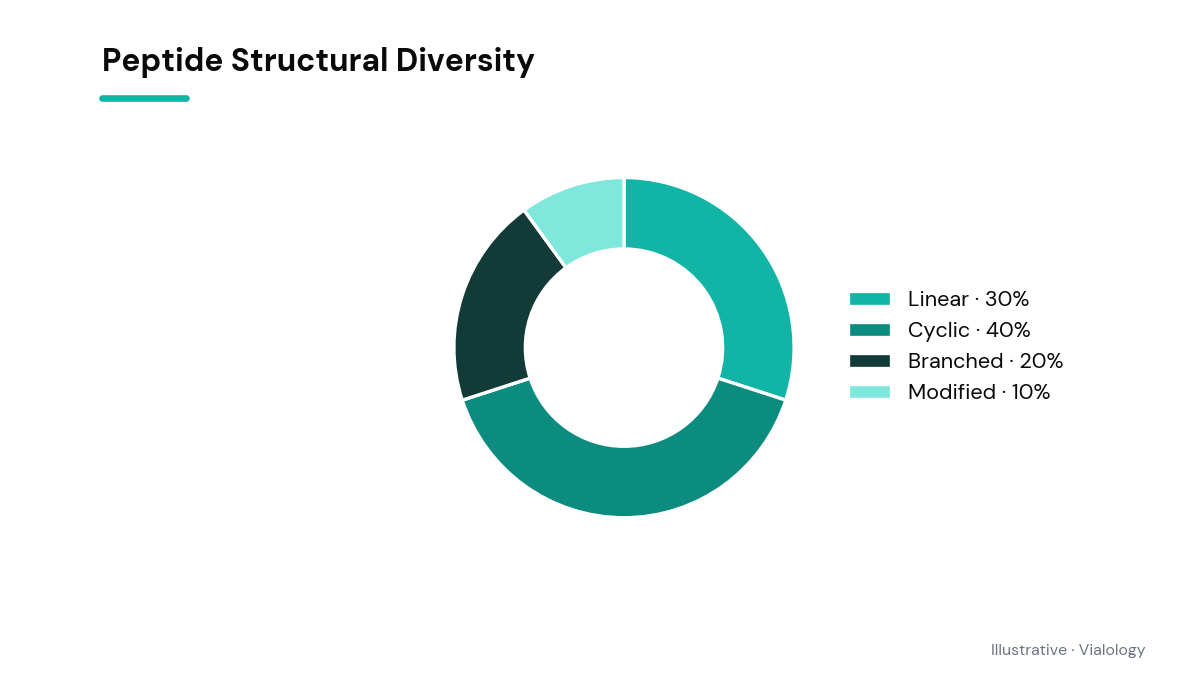
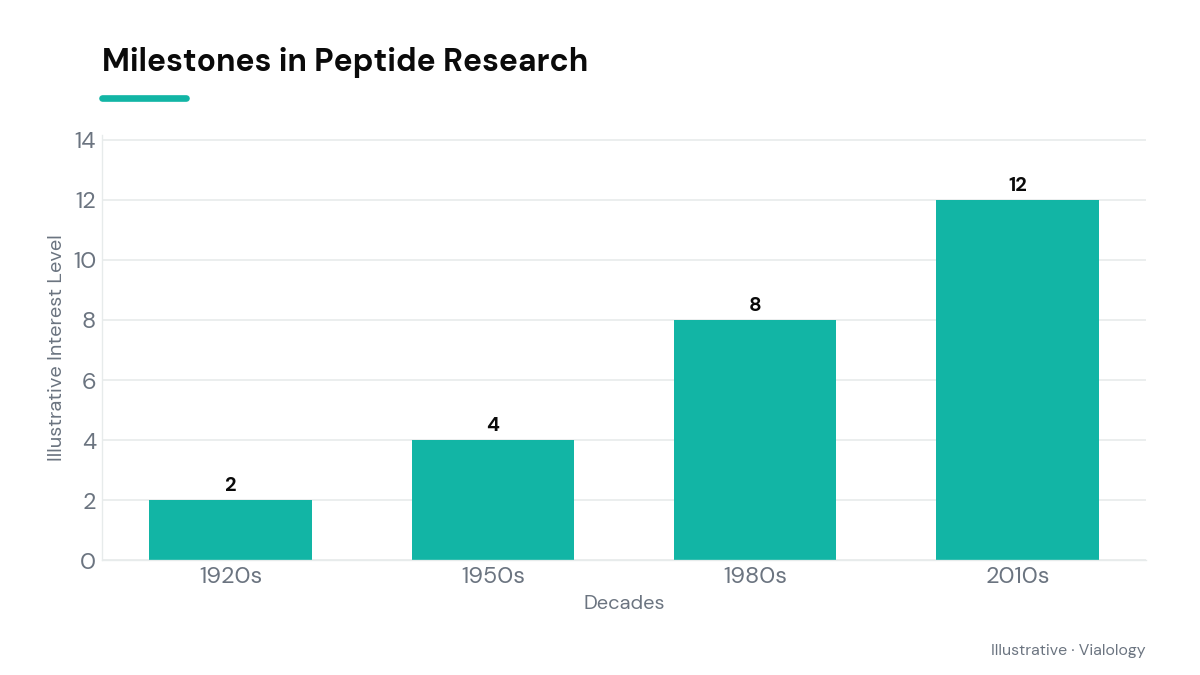
In recent decades, scientific interest in these compounds has escalated. A 2021 literature review published in Molecules highlighted that over 80 peptide-based therapeutics have been approved globally for clinical use, primarily targeting metabolic diseases, oncology, and endocrinology. Despite this success, translating laboratory peptide research into viable human applications presents challenges. Because natural enzymes in the body, known as peptidases, rapidly break down peptide bonds, researchers are actively studying structural modifications—such as cyclization or the introduction of non-natural amino acids—to enhance their stability and prolong their circulating half-life in pre-clinical studies.
Frequently asked questions
What is the difference between a peptide and a protein?
The primary difference is size and structure: peptides are short chains containing 2 to 50 amino acids and are generally flexible, whereas proteins are larger chains of more than 50 amino acids folded into complex, three-dimensional shapes.
How do peptides act as cellular messengers?
Peptides act as cellular messengers by binding to specific receptors on target cell membranes, which triggers a cascade of intracellular signals that direct the cell to perform specific biological tasks.
Are peptides naturally produced by the human body?
Yes, the human body naturally produces thousands of distinct peptides, such as insulin, oxytocin, and endorphins, to regulate crucial physiological processes like metabolism, growth, and pain perception.
What areas of scientific research utilize synthetic peptides?
Synthetic peptides are widely used in research fields including immunology, oncology, tissue engineering, and drug delivery systems, where they help scientists study receptor interactions, vaccine development, and cellular regeneration.
Educational use only. Vialology publishes journalistic and educational content about peptide science. Nothing here is medical advice, diagnosis, or treatment, and nothing should be taken as an endorsement to use any substance. Many peptides discussed are experimental and are not approved by the FDA for human use. Always consult a licensed healthcare professional before making any health decision.