
Exploring the potential of nad+ peptide benefits has become a focal point of modern anti-aging science, as researchers seek ways to sustain cellular energy during aging. Nicotinamide adenine dinucleotide (NAD+) is a coenzyme critical to cellular metabolism, but its levels decline naturally over time. Investigating how the body replenishes this crucial molecule reveals a complex web of biochemical recycling systems that keep our cells functional.
Understanding the NAD+ Salvage Pathway
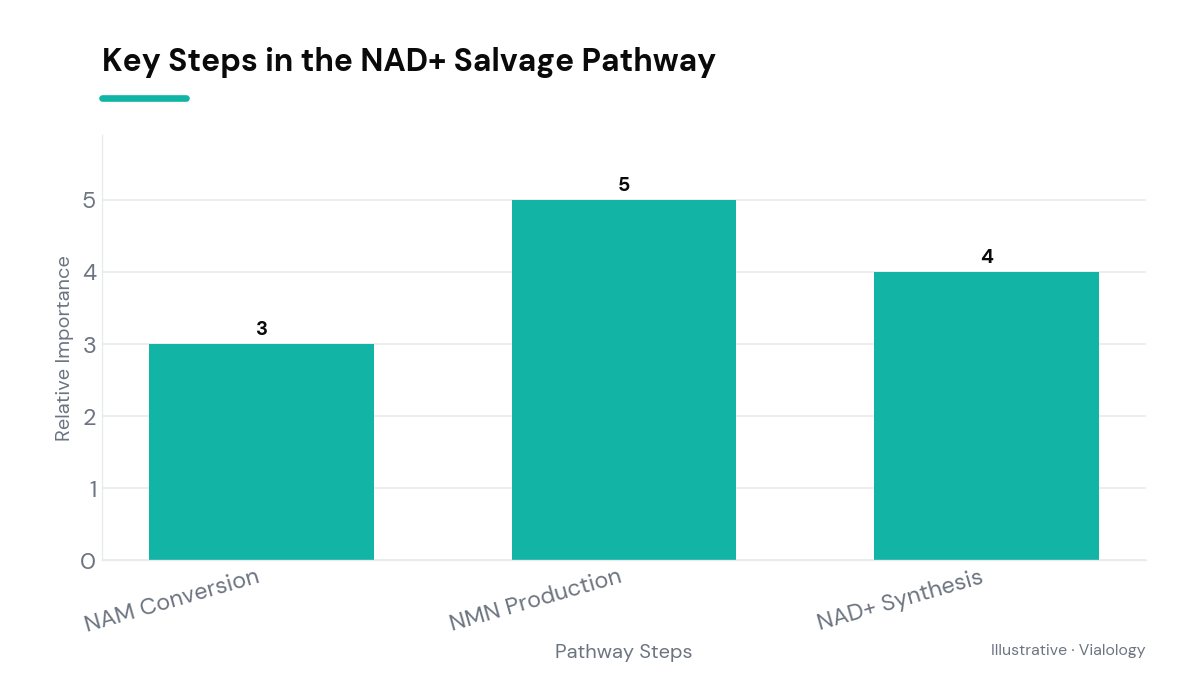
In the human body, NAD+ is not simply created once and discarded; instead, cells rely on a highly efficient recycling mechanism known as the NAD+ salvage pathway to maintain optimal levels. This pathway converts nicotinamide, a byproduct of NAD+-consuming reactions, back into active NAD+ through a series of enzymatic steps, primarily utilizing the rate-limiting enzyme nicotinamide phosphoribosyltransferase (NAMPT). Without this salvage mechanism, cells would quickly deplete their NAD+ pool, leading to metabolic dysfunction, impaired DNA repair, and accelerated cellular senescence.
Research indicates that as organisms age, the efficiency of this salvage pathway begins to decline, largely due to decreased activity of NAMPT and increased activity of NAD+-consuming enzymes like CD38. This imbalance creates a cellular deficit, sparking scientific interest in exogenous precursors and peptide-based therapies designed to bypass metabolic bottlenecks and restore youthful NAD+ levels.
Analyzing the Scientific Evidence for NAD+ Peptide Benefits
Much of our current understanding of how boosting NAD+ affects lifespan and healthspan comes from preclinical models. A seminal 2016 study published in the journal Science demonstrated that restoring NAD+ levels in mice rejuvenated muscle stem cells and increased their overall lifespan, highlighting the coenzyme’s role in mitochondrial maintenance. Subsequent rodent studies have suggested that bolstering NAD+ can improve insulin sensitivity, enhance cognitive function, and mitigate cardiovascular decline by activating sirtuins—a family of proteins closely linked to cellular health and longevity.
While these animal models present a compelling case for the therapeutic potential of NAD+, human clinical data is still emerging. Early-phase human trials have shown that oral NAD+ precursors are safe and can effectively increase blood NAD+ levels, but long-term trials are still needed to determine whether these biochemical changes translate into tangible, systemic longevity benefits or a reversal of age-related physiological decline in humans.
Delivery Mechanisms and Peptide Dynamics
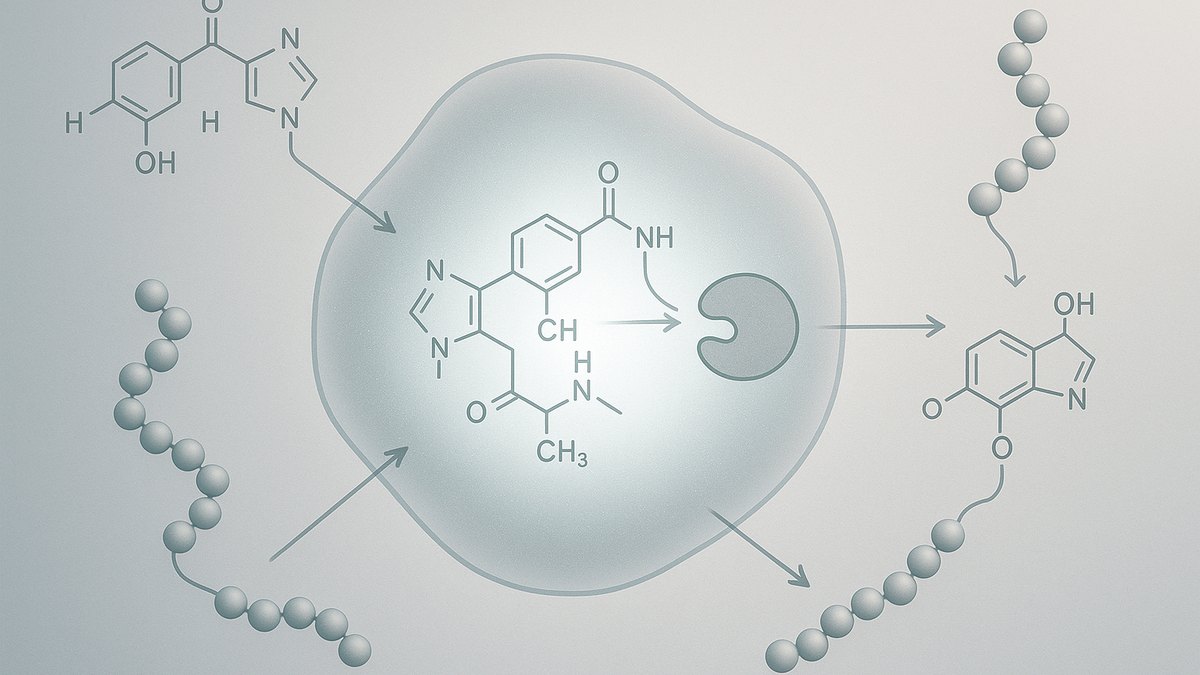
In laboratory settings, researchers investigate several avenues for increasing intracellular NAD+, including direct injections, oral precursors like NMN and NR, and peptide-mimetic strategies. Direct administration of NAD+ itself presents pharmacokinetic challenges because the molecule is relatively large and struggles to cross cell membranes directly. To solve this, scientists are examining how specific transporter proteins and peptide delivery systems can facilitate direct cellular uptake, ensuring that the coenzyme reaches the mitochondria where it is needed most.
Additionally, researchers are studying how synergistic molecules can protect NAD+ from rapid degradation. By combining NAD+ therapies with compounds that inhibit NAD+-degrading enzymes, scientists hope to prolong the bioavailability of the coenzyme within the tissue microenvironment. This multi-targeted approach represents the cutting edge of metabolic research, though it remains in the investigative phase and is not yet approved for general clinical treatment.
Future Horizons in NAD+ Therapeutics
The horizon of NAD+ research is shifting toward precision medicine and targeted cellular delivery. Currently, researchers are exploring how tissue-specific NAD+ depletion affects different organs, such as the brain and liver, noting that localized depletion may contribute to specific neurodegenerative or metabolic pathologies. By understanding these regional dynamics, scientists hope to develop targeted therapies that can selectively restore NAD+ homeostasis in damaged or aging tissues without disrupting systemic balance.
As clinical trials progress, the scientific community remains cautiously optimistic. While the transition from animal models to human biology presents significant evolutionary differences in metabolism, the fundamental conservation of the salvage pathway across species suggests that maintaining NAD+ levels will remain a cornerstone of future longevity medicine and preventative health research.
Related on Vialology
Frequently asked questions
What is the main function of NAD+ in the body?
NAD+ acts as a critical coenzyme in metabolic processes, facilitating electron transfer in the mitochondria to produce cellular energy while also regulating DNA repair and cellular survival pathways.
Why do NAD+ levels decline with age?
NAD+ levels drop due to a combination of decreased synthesis through the salvage pathway and an increase in the activity of NAD+-consuming enzymes, such as CD38 and PARPs, which deplete the available cellular pool.
Are the longevity benefits of NAD+ proven in humans?
While animal studies show significant metabolic and lifespan benefits, human clinical trials have primarily focused on safety and bioavailability, with large-scale, long-term efficacy trials for longevity still ongoing.
Educational use only. Vialology publishes journalistic and educational content about peptide science. Nothing here is medical advice, diagnosis, or treatment, and nothing should be taken as an endorsement to use any substance. Many peptides discussed are experimental and are not approved by the FDA for human use. Always consult a licensed healthcare professional before making any health decision.