
The rise of GLP-1 peptides has fundamentally altered our understanding of metabolic health and endocrine signaling. Originally identified as a humble gut hormone, glucagon-like peptide-1 is now at the center of a scientific revolution in therapeutic research. By mimicking natural physiological pathways, these compounds offer researchers a window into how the human body regulates appetite, glucose, and systemic inflammation.
The Biology of Glucagon-Like Peptide-1 Signaling
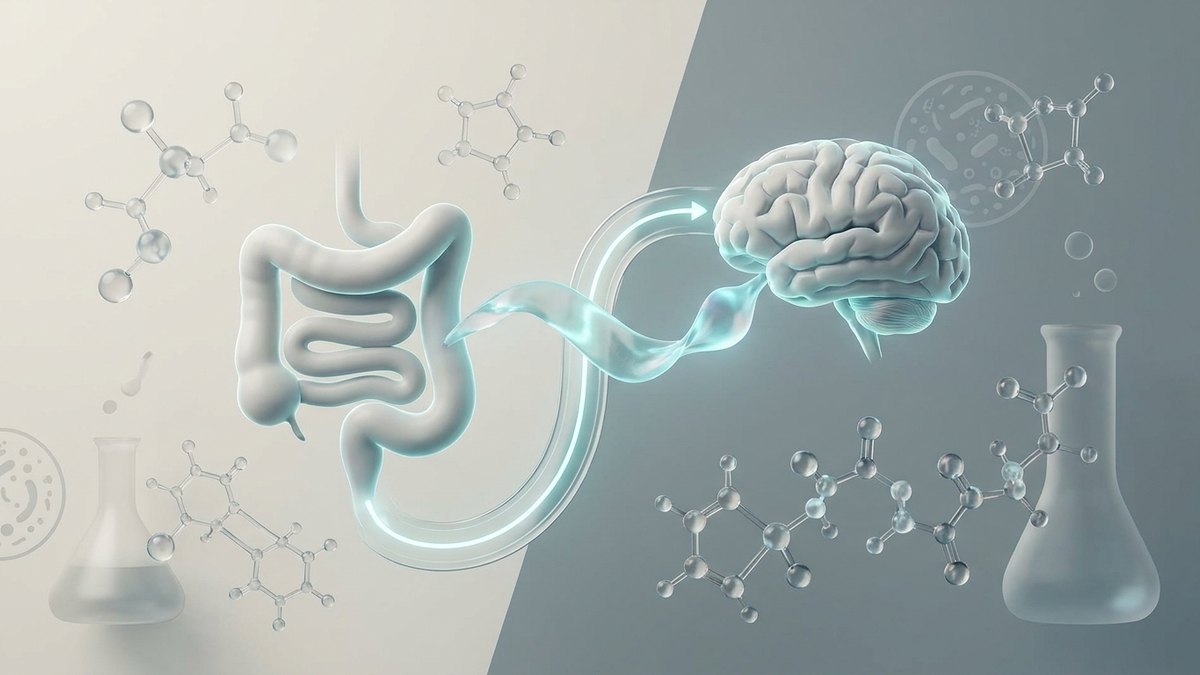
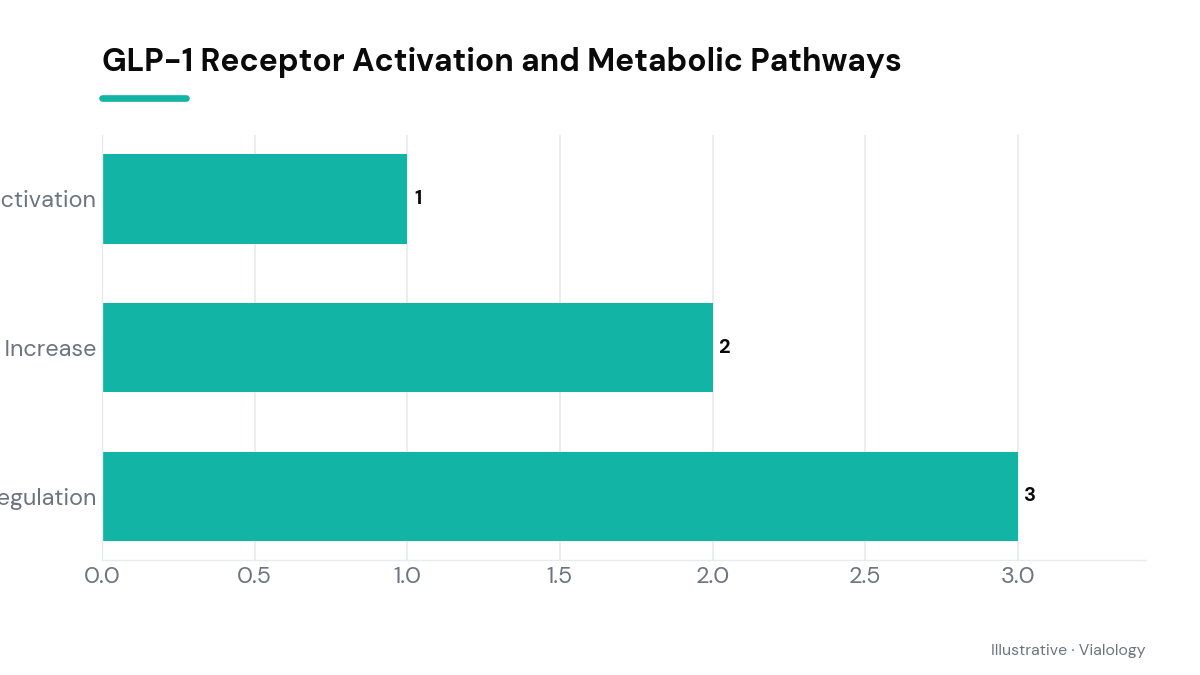
At its core, glucagon-like peptide-1 (GLP-1) is an incretin hormone—a class of metabolic hormones released by the gut in response to nutrient intake. Synthesized mainly by the L-cells of the small intestine, endogenous GLP-1 acts as a crucial chemical messenger. When food is ingested, it triggers the rapid secretion of GLP-1, which then binds to specific GLP-1 receptors located in the pancreas, brain, and other peripheral tissues. This binding initiates a cascade of intracellular signals that enhance insulin secretion in a glucose-dependent manner, meaning it only prompts insulin release when blood sugar levels are elevated.
Beyond the pancreas, GLP-1 signaling plays an essential role in slowing gastric emptying. By delaying the rate at which the stomach empties its contents into the small intestine, the hormone naturally moderates the entry of glucose into the bloodstream. This dual action—stimulating insulin while slowing digestion—prevents post-meal blood sugar spikes. However, native human GLP-1 has a major limitation in clinical research: it is rapidly degraded within minutes by an enzyme called dipeptidyl peptidase-4 (DPP-4), prompting scientists to search for more stable synthetic variations.
From Gila Monsters to Modern GLP-1 Peptides
The journey to developing stable GLP-1 peptides took an unexpected turn in the early 1990s when researchers analyzed the venom of the Gila monster (Heloderma suspectum). Scientists discovered exendin-4, a peptide in the lizard’s saliva that shared roughly 53% of its amino acid sequence with human GLP-1 but resisted DPP-4 degradation. A landmark 2001 clinical study demonstrated that a synthetic version of this peptide could mimic the therapeutic properties of human GLP-1 while remaining active in the body for hours rather than minutes, paving the way for the first generation of synthetic incretin mimetics.
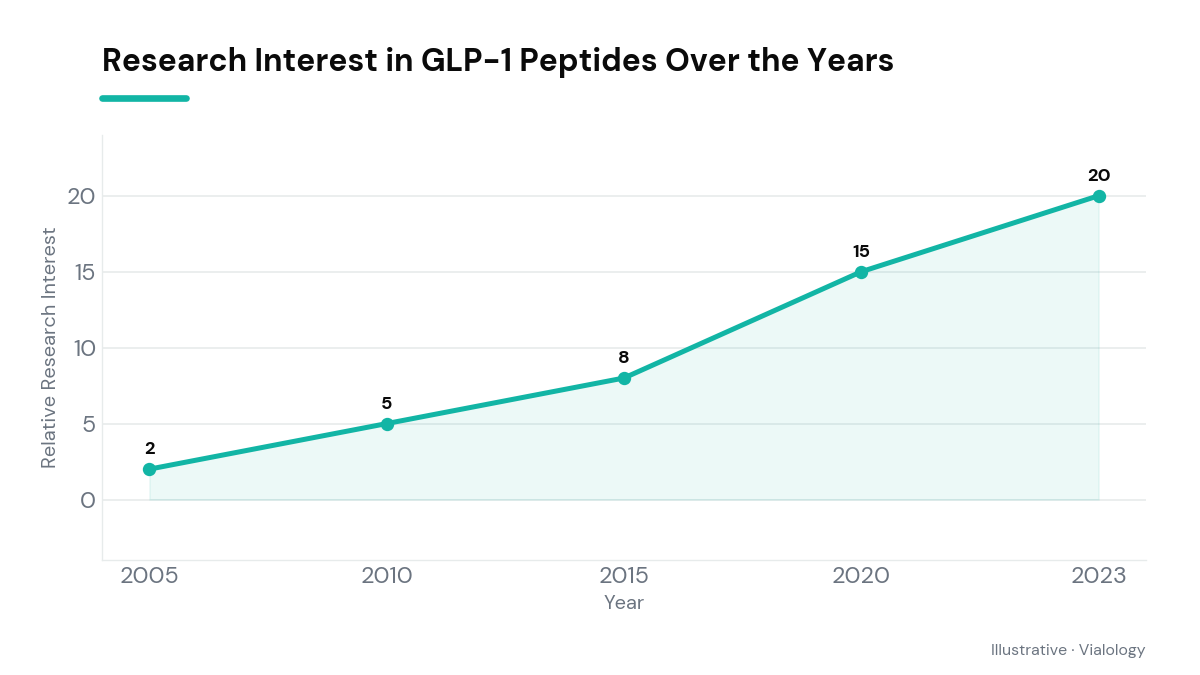
Since that initial discovery, peptide engineering has evolved rapidly. Modern research focus has shifted from simple peptide replacement to structural modifications, such as fatty acid conjugation, which allows the peptides to bind to albumin in the bloodstream and escape rapid filtration. These advancements have enabled the development of highly durable analogs that remain active for days or even weeks. Today, the study of GLP-1 receptor agonists represents one of the most active fields in molecular pharmacology, with researchers investigating their impacts on cardiovascular biomarkers, lipid metabolism, and cellular inflammation.
The Neurological Impact on Appetite and Satiety
While the metabolic effects of GLP-1 on the pancreas and digestive tract are profound, some of its most intriguing mechanisms occur within the central nervous system. GLP-1 receptors are highly concentrated in areas of the brain that regulate energy homeostasis, particularly the hypothalamus and the hindbrain. When GLP-1 peptides cross the blood-brain barrier or signal via the vagus nerve, they directly influence neural circuits responsible for hunger and fullness. This signaling suppresses subjective feelings of appetite and enhances satiety, effectively shifting the body’s baseline energy regulation.
In addition to homeostatic appetite control, emerging neurobiology research suggests that GLP-1 pathways interact with the brain’s mesolimbic reward system. By modulating dopamine signaling, these peptides may reduce the reward value of highly palatable, energy-dense foods—a phenomenon often referred to in clinical literature as reducing “food noise.” A 2022 review of animal models highlighted how GLP-1 signaling altered reward-seeking behaviors, prompting scientists to explore whether these pathways could be leveraged to understand broader mechanisms of compulsive behavior and craving control.
The Landscape of Clinical Approvals and Future Horizons
The translation of GLP-1 science from bench to bedside has resulted in several highly successful FDA-approved medications. Early compounds like exenatide required twice-daily injections, but newer molecules like liraglutide, semaglutide, and the dual-targeting tirzepatide (which targets both GLP-1 and GIP receptors) have dramatically extended half-lives and enhanced potency. These approved formulations undergo rigorous double-blind, placebo-controlled trials to establish safety and efficacy profiles before they are prescribed by clinicians for chronic weight management and type 2 diabetes.
Outside of approved clinical indications, the broader scientific community continues to explore GLP-1 signaling in diverse therapeutic areas. Emerging pilot studies and observational trials are investigating the potential neuroprotective effects of GLP-1 receptor agonists in neurodegenerative diseases like Alzheimer’s and Parkinson’s, where cellular energy metabolism is often compromised. While these research avenues are highly promising, experts emphasize that raw, unformulated research peptides sourced online do not carry the same safety, purity, or sterile compounding guarantees as FDA-approved medications, underscoring the critical gap between laboratory-grade chemical research and regulated clinical therapies.

Frequently asked questions
What are GLP-1 peptides?
GLP-1 peptides are synthetic or natural compounds that mimic glucagon-like peptide-1, a gut hormone responsible for regulating insulin secretion, gastric emptying, and appetite.
How does GLP-1 signaling affect appetite?
It acts on receptors in the brain’s hypothalamus and reward centers to promote satiety, slow digestion, and reduce the psychological craving for food.
Are GLP-1 medications the same as research peptides?
No, FDA-approved GLP-1 medications are highly regulated, sterile clinical formulations, whereas research peptides are unapproved chemical substances intended strictly for laboratory study.
Which GLP-1 drugs are FDA approved?
Currently approved options include liraglutide, semaglutide, and tirzepatide, which are prescribed for type 2 diabetes and chronic weight management under strict clinical supervision.
Educational use only. Vialology publishes journalistic and educational content about peptide science. Nothing here is medical advice, diagnosis, or treatment, and nothing should be taken as an endorsement to use any substance. Many peptides discussed are experimental and are not approved by the FDA for human use. Always consult a licensed healthcare professional before making any health decision.