

As interest in metabolic therapeutics reaches an all-time high, researchers are closely examining how emerging mitochondrial-derived peptides impact weight regulation, prompting significant interest in mots-c weight loss mechanisms. While mainstream attention remains firmly fixed on GLP-1 receptor agonists like semaglutide, MOTS-c represents an entirely different biological pathway. By understanding how this mitochondrial-derived peptide differs from gut-derived hormones, we can better appreciate the complex, multi-layered nature of human metabolic regulation.
What is MOTS-c and How Does It Work?
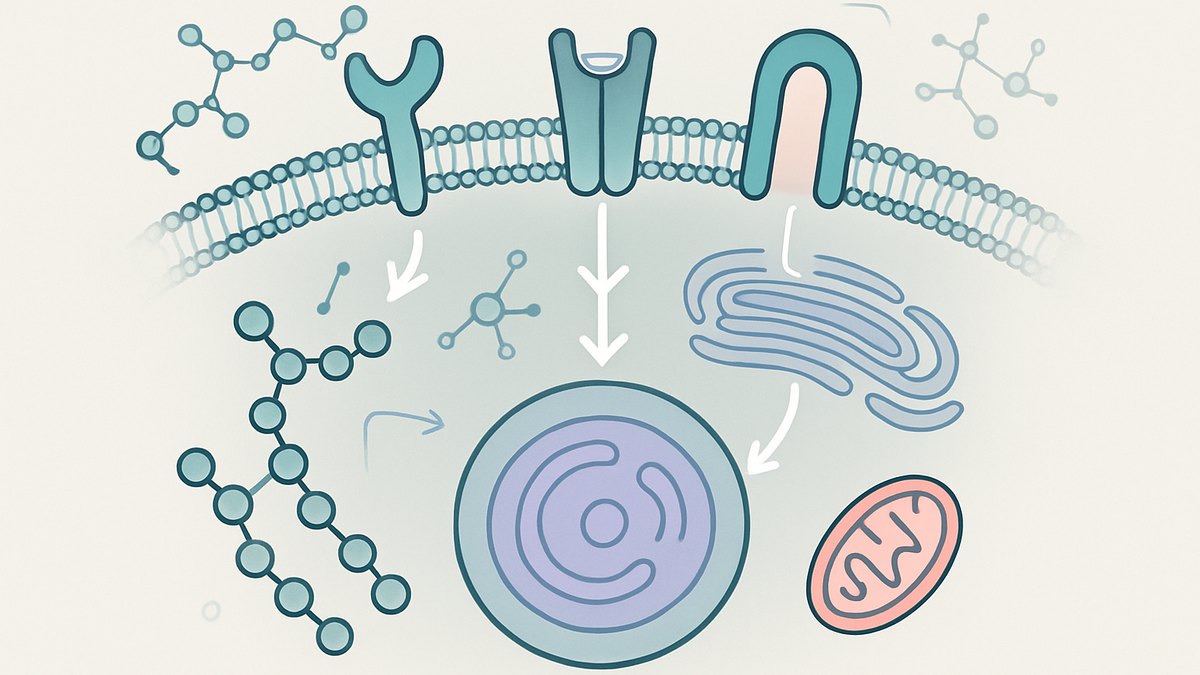
Unlike traditional peptide hormones that are synthesized in the endocrine system, MOTS-c (mitochondrial open reading frame of the 12S rRNA-c) is a mitochondrial-derived peptide encoded within the mitochondrial genome itself. Discovered in 2015, this 16-amino-acid peptide acts as a signaling molecule that communicates metabolic stress and coordinates adaptive responses. While traditional metabolic regulators are secreted by organs like the pancreas or gut, MOTS-c operates at the intracellular level, primarily targeting skeletal muscle to enhance glucose uptake and fatty acid oxidation.
In preclinical models, MOTS-c has demonstrated a unique capacity to restore metabolic homeostasis by activating adenosine monophosphate-activated protein kinase (AMPK), often referred to as the body’s master metabolic switch. By upregulating AMPK, the peptide promotes mitochondrial biogenesis—the creation of new cellular powerhouses—and increases insulin sensitivity. This cellular-level activation differs fundamentally from the systemic, receptor-mediated pathways utilized by most pharmaceutical interventions currently on the market.
Analyzing the MOTS-c vs GLP-1 Mechanism
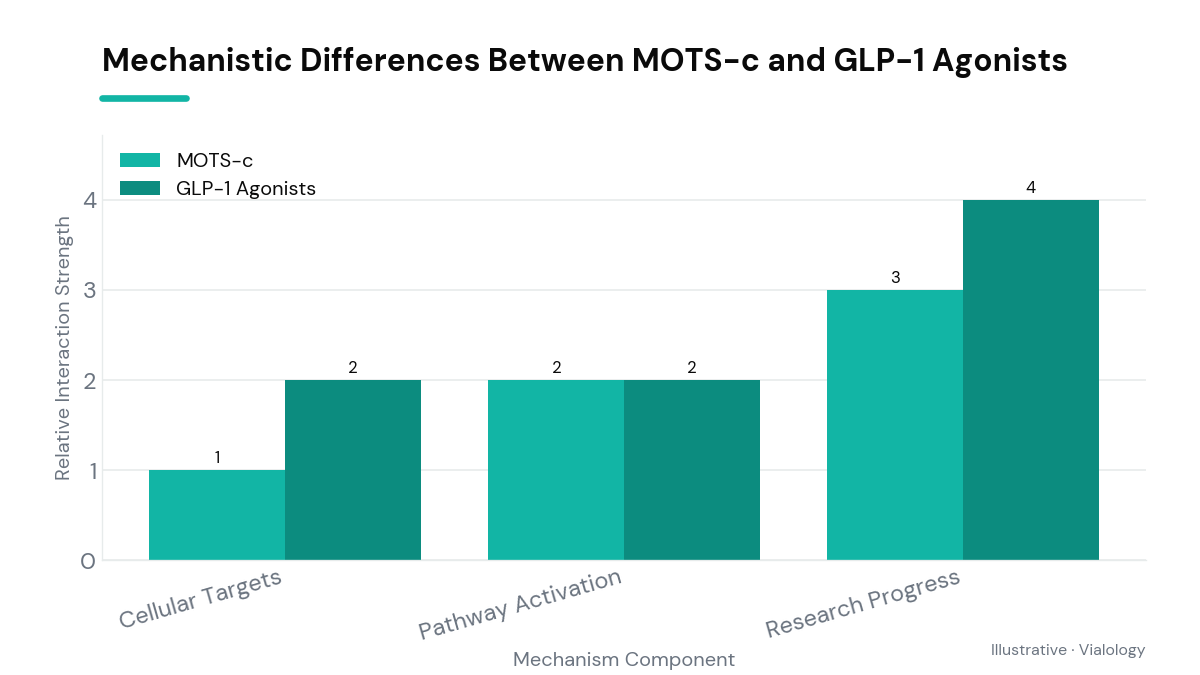
To understand the potential of these compounds, it is crucial to analyze the MOTS-c vs GLP-1 mechanism side-by-side. GLP-1 receptor agonists, such as semaglutide and tirzepatide, mimic glucagon-like peptide-1, a hormone naturally secreted by the L-cells of the intestine in response to food intake. These drugs primarily target the central nervous system to delay gastric emptying and induce satiety, while also stimulating glucose-dependent insulin secretion from the pancreas. Essentially, GLP-1s manage energy balance from the top down by reducing caloric intake.
In contrast, MOTS-c works from the bottom up. Instead of suppressing appetite or slowing digestion, it directly influences cellular respiration and energy expenditure. Animal studies suggest that MOTS-c prevents high-fat diet-induced insulin resistance not by forcing the subject to eat less, but by optimizing how existing skeletal muscle metabolizes lipids and glucose. This intracellular approach highlights a distinct divergence in therapeutic strategy: one curbs consumption, while the other optimizes cellular combustion.
Preclinical Evidence for MOTS-c Weight Loss Effects
The enthusiasm surrounding mots-c weight loss potential stems largely from early rodent studies. A landmark 2015 study published in Cell Metabolism demonstrated that mice injected with MOTS-c were resistant to age-dependent and diet-induced obesity. Even when fed a high-fat diet, the treated mice maintained lean mass and showed significantly less fat accumulation compared to control groups. Researchers observed that the peptide effectively reprogrammed metabolism, shifting the cellular fuel source from glucose to fat oxidation.
However, science journalists and researchers emphasize that these findings are strictly preliminary. MOTS-c is not currently approved by the FDA for human use, and clinical trials in humans remain extremely limited. While rodent models provide valuable insights into metabolic pathways, human physiology presents unique complexities in bioavailability, dosing, and long-term tolerability that have yet to be thoroughly mapped in peer-reviewed clinical research.
Mitochondrial Peptides in Longevity and Metabolic Research
Beyond simple weight management, researchers view MOTS-c as a key player in the expanding field of mitochondrial medicine and longevity science. Because mitochondrial function naturally declines with age, the endogenous production of MOTS-c also decreases over time. This decline is closely associated with the onset of age-related metabolic dysfunction, sarcopenia, and physical frailty. Investigating how supplemental MOTS-c might reverse or slow this decline represents a major frontier in geroscience.
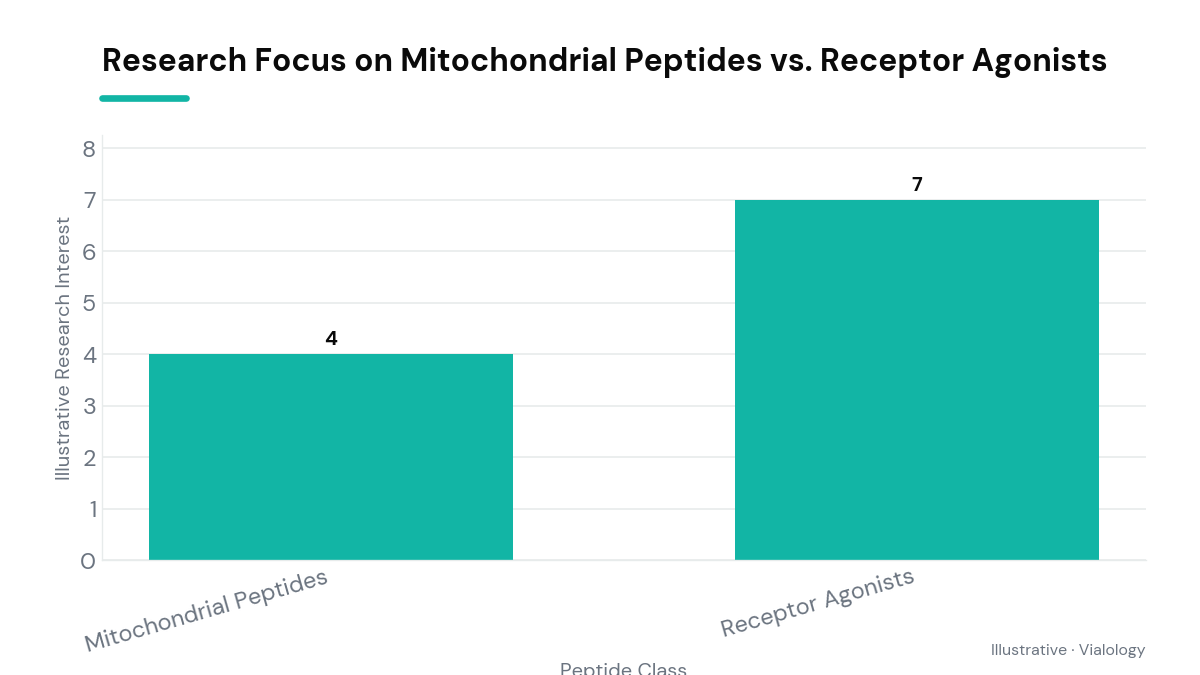
While GLP-1 agonists have established themselves as powerful tools for rapid weight reduction and glycemic control, mitochondrial-derived peptides like MOTS-c offer a complementary vision for the future. Rather than replacing gut-hormone therapies, researchers hypothesize that targeting mitochondrial efficiency could eventually provide a secondary pathway for maintaining metabolic health, preserving muscle mass, and promoting healthy aging at the cellular level.
Related on Vialology
Frequently asked questions
Is MOTS-c FDA-approved for weight loss?
No, MOTS-c is not approved by the Food and Drug Administration (FDA) for weight loss or any other therapeutic use, and it remains an investigational compound in the pre-clinical phase.
How does MOTS-c differ from semaglutide?
While semaglutide is a GLP-1 receptor agonist that acts on the brain and gut to suppress appetite, MOTS-c is a mitochondrial-derived peptide that targets cellular metabolic pathways directly within muscle tissue.
Can MOTS-c prevent muscle loss during weight reduction?
Early animal research suggests that MOTS-c promotes mitochondrial biogenesis in skeletal muscle, leading scientists to study its potential to preserve muscle mass, though human trials are needed to confirm this effect.
Educational use only. Vialology publishes journalistic and educational content about peptide science. Nothing here is medical advice, diagnosis, or treatment, and nothing should be taken as an endorsement to use any substance. Many peptides discussed are experimental and are not approved by the FDA for human use. Always consult a licensed healthcare professional before making any health decision.