

When exploring the frontier of longevity science, understanding the landscape of epithalon dosage in scientific literature is crucial for contextualizing how this synthetic peptide is studied. Developed initially at the St. Petersburg Institute of Bioregulation and Gerontology, Epithalon is a synthetic tetrapeptide modeled after a natural peptide found in the pineal gland. Researchers investigate its potential to influence telomerase activity and cellular aging, though its regulatory status remains experimental.
The Scientific Origins of Epithalon
Epithalon was first synthesized in the late 20th century by Russian gerontologist Vladimir Khavinson. The compound, which consists of four amino acids, was designed to mimic epithalamin, a peptide hormone produced by the pineal gland. In animal models, researchers have historically observed that this synthetic alternative can stimulate the production of melatonin and potentially influence the endocrine system, pointing toward a regulatory role in biological aging.
Much of the early data regarding this peptide comes from laboratory research on rodents and fruit flies, where scientists observed extensions in lifespan and reductions in spontaneous tumor development. However, because these studies were primarily conducted in non-human subjects, the translates-to-human data remains highly theoretical, and the compound has not received approval from the US Food and Drug Administration (FDA) for therapeutic use.
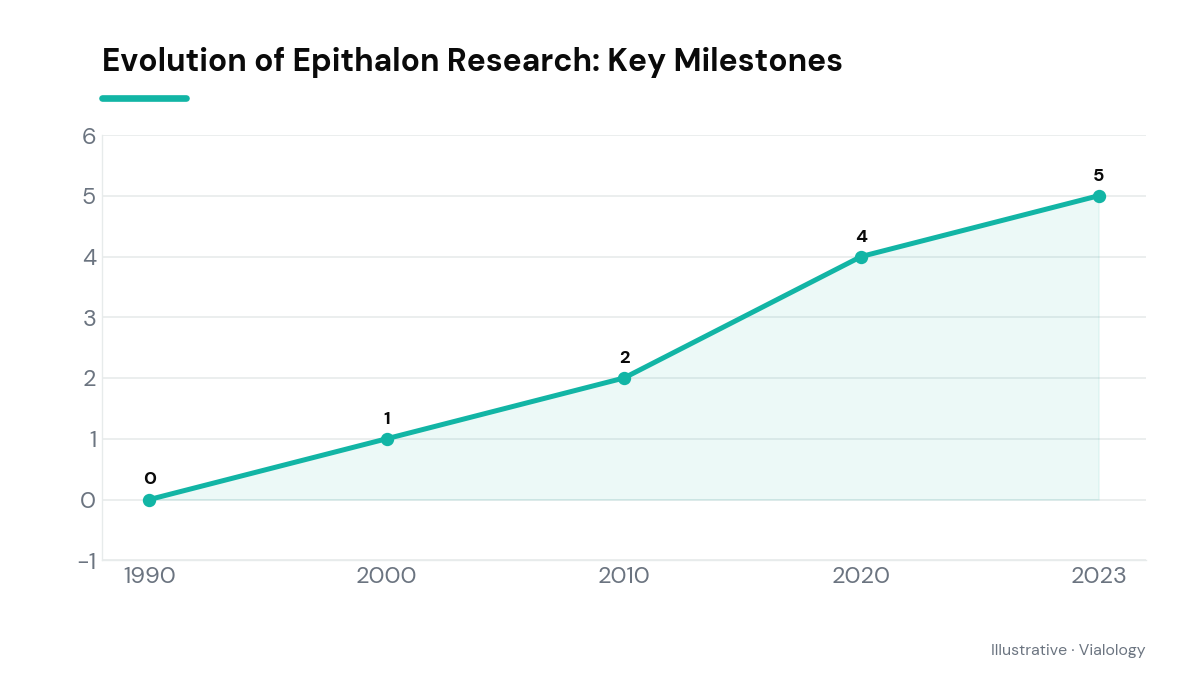
Analyzing Epithalon Dosage in Clinical Literature
In clinical research contexts, scientists have historically evaluated various protocols to determine how the body processes the compound. For instance, in several small-scale human trials conducted in Russia during the early 2000s, researchers utilized specific quantitative models to track safety and physiological markers over short periods. Investigators seeking to understand these historical protocols often consult a comprehensive epithalon dosage reference to evaluate the specific milligram-to-bodyweight ratios utilized in these academic publications.
These clinical experiments generally limited administration to brief cycles—often lasting only a few weeks once or twice a year—to assess long-term safety without continuous exposure. Because Epithalon stimulates telomerase, an enzyme that elongates telomeres at the ends of chromosomes, researchers are cautious about continuous dosing, as uncontrolled telomerase activity is a characteristic often associated with oncology pathways.

Cellular Mechanisms and Telomere Biology
The primary mechanism of interest for Epithalon lies in its interaction with DNA. In vitro studies suggest that the peptide can bind directly to double-stranded DNA, potentially upregulating gene expression related to telomerase activity. Telomeres naturally shorten as cells divide, acting as a biological clock; by prompting telomerase production, researchers hypothesize that Epithalon may help maintain cellular replication capacity longer than normal limits.
Despite these intriguing cellular findings, the precise molecular pathway remains a subject of ongoing debate. Critics point out that while in vitro and animal models show promise, human biology is vastly more complex, requiring more rigorous, double-blind, placebo-controlled trials to verify whether these telomere-lengthening effects translate into measurable, systemic health benefits in human subjects.
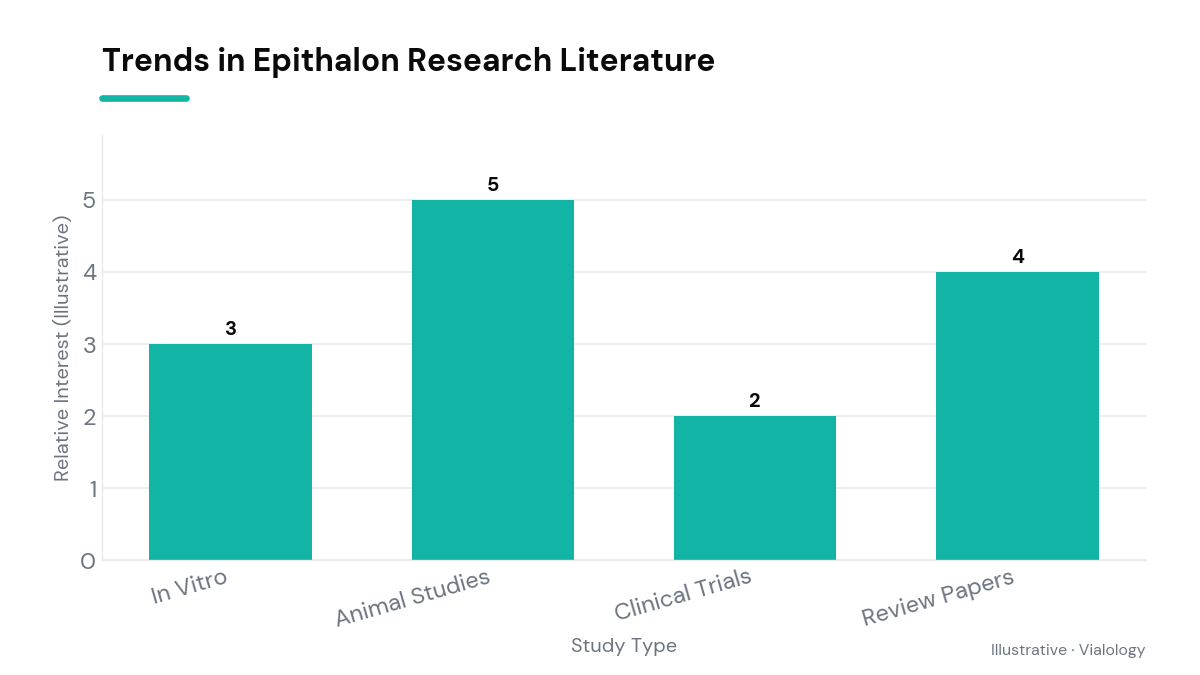
Safety Profiles and Research Limitations
In the published literature, Epithalon is generally described as having a low toxicity profile, with few acute adverse effects reported in the initial Russian trials. However, modern researchers emphasize that long-term safety data is exceptionally sparse. Because the peptide is not approved for clinical use by major regulatory bodies like the FDA or the European Medicines Agency, there are no standardized quality controls or established safety parameters for general use.
Consequently, the scientific consensus remains cautious. Academic institutions studying the peptide focus strictly on its biochemical properties in controlled laboratory environments. Anyone reviewing the scientific literature must recognize that current research is designed to map basic physiological responses, rather than to establish protocols for self-administration or clinical intervention.
Related on Vialology
Frequently asked questions
What is the primary focus of Epithalon research?
Researchers primarily study Epithalon for its potential to stimulate telomerase activity, which may influence cellular aging and telomere maintenance in laboratory models.
Is Epithalon approved for human medical use?
No, Epithalon is not approved by the FDA or other major regulatory bodies for human use, and it remains classified as an experimental research chemical.
How does Epithalon differ from Epithalamin?
Epithalamin is a natural peptide extract from bovine pineal glands, whereas Epithalon is a synthetic, four-amino-acid peptide designed to mimic the natural extract’s effects.
What did early animal studies show regarding Epithalon?
Early rodent studies suggested that Epithalon could extend lifespan, reduce tumor incidence, and restore melatonin secretion, though these effects have not been definitively replicated in large-scale human clinical trials.
Educational use only. Vialology publishes journalistic and educational content about peptide science. Nothing here is medical advice, diagnosis, or treatment, and nothing should be taken as an endorsement to use any substance. Many peptides discussed are experimental and are not approved by the FDA for human use. Always consult a licensed healthcare professional before making any health decision.