
When evaluating the therapeutic potential of synthetic melanocortin agonists, establishing a precise pt-141 dosage protocol remains a focal point for laboratory investigations into sexual dysfunction and appetite regulation. Also known as bremelanotide, this peptide targets central melanocortin receptors rather than acting directly on the vascular system. Researchers study its unique mechanism to understand how central nervous system pathways modulate physiological arousal.
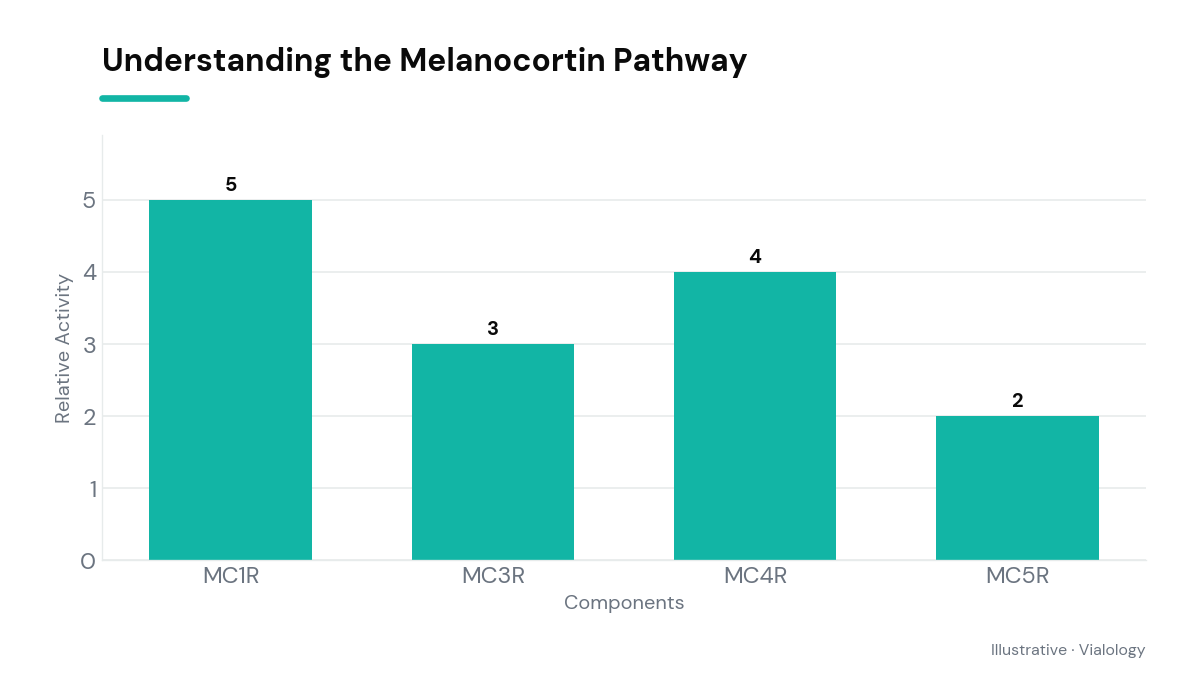
Understanding the Melanocortin Pathway
Bremelanotide is a synthetic peptide analog of alpha-melanocyte-stimulating hormone. Unlike traditional therapies for sexual dysfunction that target local vascular pathways, such as PDE5 inhibitors, PT-141 acts centrally as a non-selective agonist of melanocortin receptors, particularly MC3R and MC4R in the central nervous system. By activating these pathways in the hypothalamus, the peptide influences sexual behavior, motivation, and energy homeostasis, providing a completely different biological route of action.
Early clinical development originally focused on intranasal delivery systems, but researchers encountered challenges related to transient increases in blood pressure. Consequently, modern laboratory protocols and approved clinical models transitioned to subcutaneous delivery methods to stabilize pharmacokinetics. This shift allowed investigators to map more consistent dose-response curves during clinical evaluations.
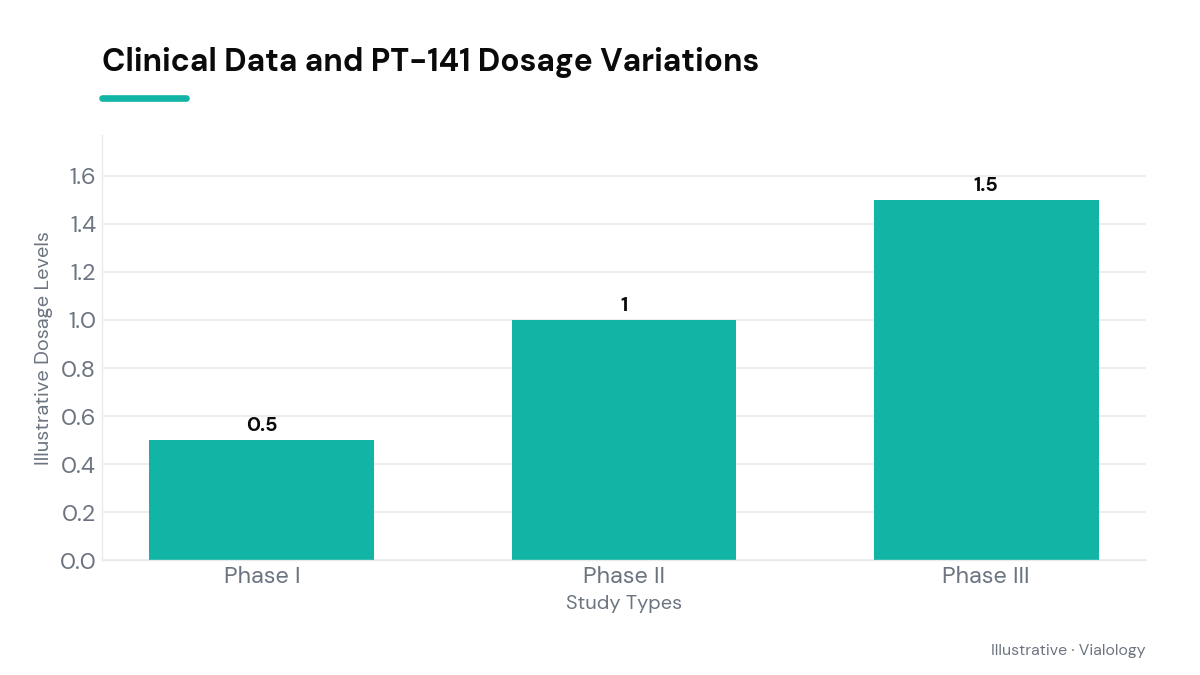
Clinical Data and PT-141 Dosage Variations
In human clinical trials evaluating bremelanotide for female hypoactive sexual desire disorder, researchers utilized a standardized subcutaneous dose of 1.75 mg, administered prior to anticipated sexual activity. Clinical data from Phase 3 trials demonstrated that this specific dosage helped improve sexual desire and reduce associated distress, though investigators noted a high incidence of mild-to-moderate transient nausea. Determining a balanced dosage reference became critical for clinical trial design, as higher levels increased the frequency of side effects without a proportional increase in efficacy.
In studies exploring male erectile dysfunction, particularly in patients who did not respond to PDE5 inhibitors, clinical trials analyzed a broader range of doses from 1.0 mg up to 3.0 mg. Researchers observed that while lower doses occasionally fell short of the therapeutic threshold, higher doses frequently induced facial flushing, headache, and temporary blood pressure spikes. This narrow therapeutic window highlights the complexity of melanocortin receptor modulation.

Preclinical Research and Animal Models
Before human clinical trials commenced, extensive rodent studies mapped the initial dose-response relationships of PT-141. In animal models, researchers typically calculated dosages based on body surface area scaling, administering microgram-level quantities to observe copulatory behavior and chamber-based appetitive responses. These preclinical trials confirmed that the peptide’s efficacy depended heavily on targeting receptors within the medial preoptic area of the hypothalamus.
Additionally, animal studies revealed that PT-141 interacts with the brain’s dopaminergic reward systems, suggesting a synergistic relationship between melanocortin activation and dopamine release. Understanding these intricate interactions helps researchers isolate why certain subjects show varied responses to identical dosing protocols, paving the way for more targeted neurological research.
Safety Parameters and Research Considerations
Because PT-141 activates multiple melanocortin receptor subtypes, safety monitoring remains a primary concern in contemporary literature. Beyond nausea and flushing, clinical trials documented transient increases in systolic and diastolic blood pressure, particularly within the first few hours post-administration. For this reason, research guidelines emphasize screening subjects for pre-existing cardiovascular conditions before initiating laboratory protocols.
Scientific interest in PT-141 continues to expand beyond sexual health into areas like hemorrhagic shock and inflammatory modulation. As researchers design new experimental protocols, maintaining strict control over administration parameters is essential to isolate the peptide’s primary therapeutic mechanisms from its secondary systemic effects.
Related on Vialology
Frequently asked questions
How does PT-141 differ from traditional erectile dysfunction medications?
While traditional medications like PDE5 inhibitors target the vascular system locally, PT-141 acts centrally on melanocortin receptors in the brain to influence sexual desire and initiation.
What did clinical trials establish regarding the timing of PT-141 administration?
In clinical studies, the peptide was typically administered subcutaneously approximately 45 minutes to several hours before anticipated activity to observe its peak physiological effects.
What are the most common side effects observed in PT-141 research?
Research trials frequently document transient nausea, facial flushing, headache, and temporary increases in blood pressure as the primary side effects.
Educational use only. Vialology publishes journalistic and educational content about peptide science. Nothing here is medical advice, diagnosis, or treatment, and nothing should be taken as an endorsement to use any substance. Many peptides discussed are experimental and are not approved by the FDA for human use. Always consult a licensed healthcare professional before making any health decision.