
When evaluating the potential of peptide therapies to modulate the human immune system, understanding the science behind thymosin alpha 1 benefits is a crucial starting point. This 28-amino-acid peptide, naturally produced by the thymus gland, has been the subject of clinical and laboratory investigations for over four decades. Researchers continue to examine how this endogenous compound influences T-cell development and helps regulate complex immune responses.
The Science Behind Thymosin Alpha-1 and the Thymus
Originating in the thymus gland—an organ central to the development of adaptive immunity—thymosin alpha-1 (Ṯ1) plays a fundamental role in directing the body’s defense mechanisms. During childhood and early adulthood, the thymus is highly active, producing peptides that train T-cells to identify foreign pathogens. As the thymus naturally undergoes involution (shrinking) with age, endogenous levels of Ṯ1 decline. This age-related reduction has spurred significant scientific interest in whether replenishing this peptide can restore or enhance immunological homeostasis in aging populations.
Synthetically replicated for laboratory use as thymalfatide, the peptide operates by mimicking the natural hormone’s ability to stimulate immune cell maturation. Researchers categorize Ṯ1 as an immunomodulator, meaning it does not merely boost immune activity indiscriminately, but rather helps calibrate the body’s responses, dialing defense mechanisms up or down based on the physiological context.
Analyzing the Documented Thymosin Alpha 1 Benefits in Clinical Research
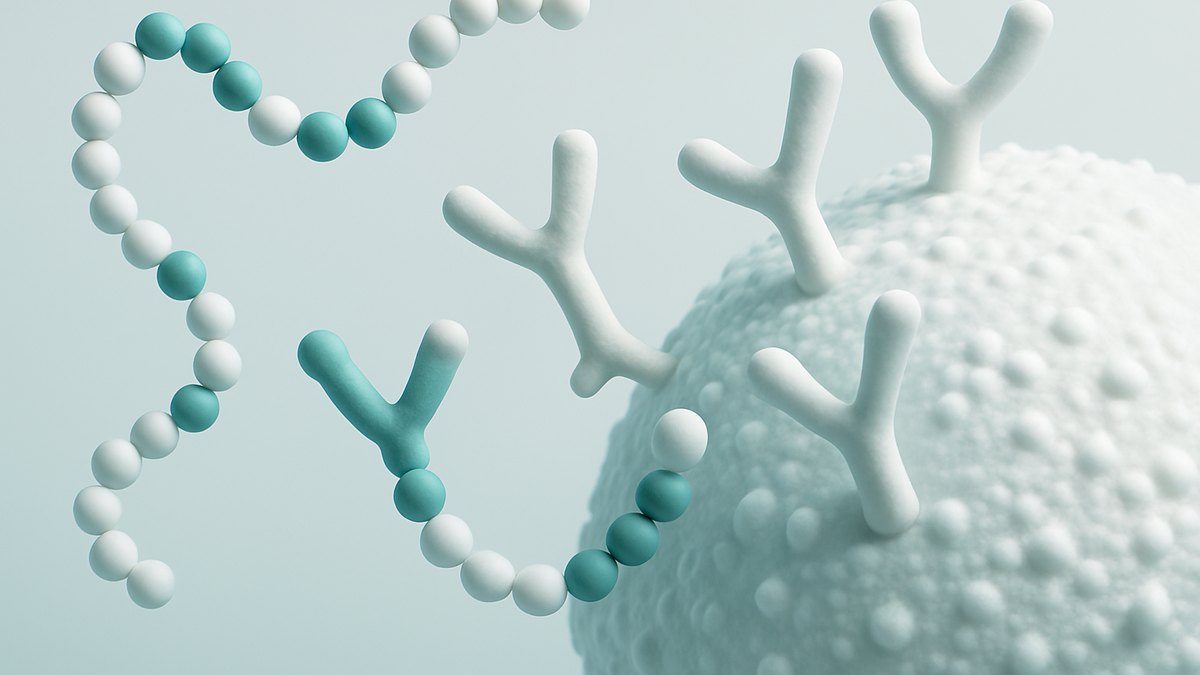
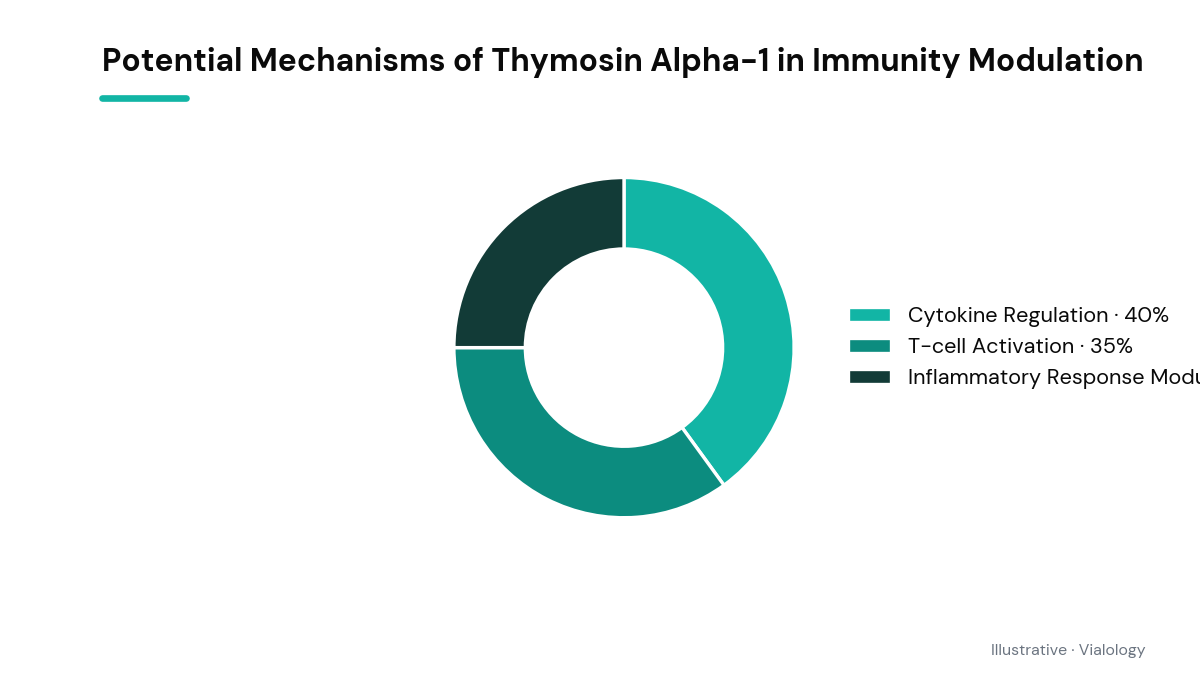
A primary area of study surrounding immune research benefits lies in the peptide’s dual-action pathway. In vitro and in vivo studies indicate that Ṯ1 stimulates the maturation of T-cells and natural killer (NK) cells, while simultaneously upregulating major histocompatibility complex (MHC) class I expression, helping the immune system recognize compromised cells. At the same time, it helps mitigate excessive inflammation by promoting the release of anti-inflammatory cytokines, maintaining a delicate regulatory balance. This dual-action nature makes it unique, as it can act as both an enhancer of deficient immunity and a dampener of hyper-inflammatory responses.
Historically, these mechanisms have made Ṯ1 a candidate for research into chronic viral infections and vaccine efficacy. For instance, clinical trials in several countries have evaluated Ṯ1 as an adjuvant to hepatitis B and C therapies, as well as influenza vaccines. This research suggests that co-administering the peptide may help elicit a more robust antibody response in individuals with compromised or senescent immune systems.
Research into Oncology and Cellular Defense Mechanisms
Beyond viral pathogens, laboratory research has frequently focused on how Ṯ1 interacts with malignant cellular structures. In animal models and cell culture studies, researchers have observed that Ṯ1 can induce apoptosis—programmed cell death—in certain cancer cell lines. This is believed to occur through the modulation of specific signaling pathways that control cell division and survival. By altering these intracellular messengers, the peptide may prevent the rapid proliferation typical of aberrant cells.
While these findings are promising, oncologist-led clinical studies emphasize that Ṯ1 is not a standalone treatment or cure for oncology patients. Instead, ongoing research explores its potential as a supportive care agent, aimed at helping rebuild the immune systems of patients undergoing immunosuppressive therapies like chemotherapy, thereby potentially reducing the risk of opportunistic secondary infections.
The Clinical Safety Profile and Regulatory Status of Ṯ1
One of the reasons Ṯ1 has remained a subject of intense scientific study is its highly favorable safety profile. Because it is an exact synthetic replica of an endogenous human peptide, clinical trials have historically reported very low rates of adverse events, with mild injection site irritation being the most common observation. Unlike broad-spectrum immunosuppressants or stimulants, it exhibits low toxicity even at higher experimental concentrations. This predictable safety profile has allowed researchers to explore its combination with diverse therapeutic regimens.
Despite this long history of clinical use globally—where it is approved in over 30 countries for specific viral infections and vaccine enhancement—the regulatory status of thymosin alpha-1 remains complex. In the United States, the Food and Drug Administration (FDA) has classified it as an orphan drug for certain rare conditions, but it does not have broad approval for general health or longevity enhancement. Consequently, the scientific community continues to call for larger, double-blind human trials to conclusively map its therapeutic parameters.
Related on Vialology
Frequently asked questions
What is the main function of thymosin alpha-1?
Thymosin alpha-1 acts primarily as an immunomodulator, helping to regulate immune responses by promoting T-cell maturation and balancing pro- and anti-inflammatory pathways.
Is thymosin alpha-1 FDA-approved?
The FDA has designated thymosin alpha-1 as an orphan drug for specific niche indications, but it is not approved for general public use or broad health optimization in the United States.
How does the body naturally produce this peptide?
The peptide is naturally synthesized and secreted by the thymus gland, though its natural production steadily declines as humans age and the thymus undergoes involution.
Can thymosin alpha-1 cure viral infections?
No, research shows it acts as an immunomodulatory support agent rather than a direct cure, often evaluated in clinical studies alongside standard antiviral therapies to enhance the body’s natural response.
Educational use only. Vialology publishes journalistic and educational content about peptide science. Nothing here is medical advice, diagnosis, or treatment, and nothing should be taken as an endorsement to use any substance. Many peptides discussed are experimental and are not approved by the FDA for human use. Always consult a licensed healthcare professional before making any health decision.