

As metabolic research undergoes a paradigm shift, peptides for weight loss have transitioned from niche laboratory subjects to the forefront of clinical medicine. Scientists are actively investigating how these short chains of amino acids interface with endogenous signaling pathways to regulate appetite, energy expenditure, and glucose homeostasis. By mimicking or modulating natural hormone systems, these compounds offer researchers unprecedented insight into the complex cellular mechanics of human metabolism.
The Cellular Mechanisms of Peptides for Weight Loss
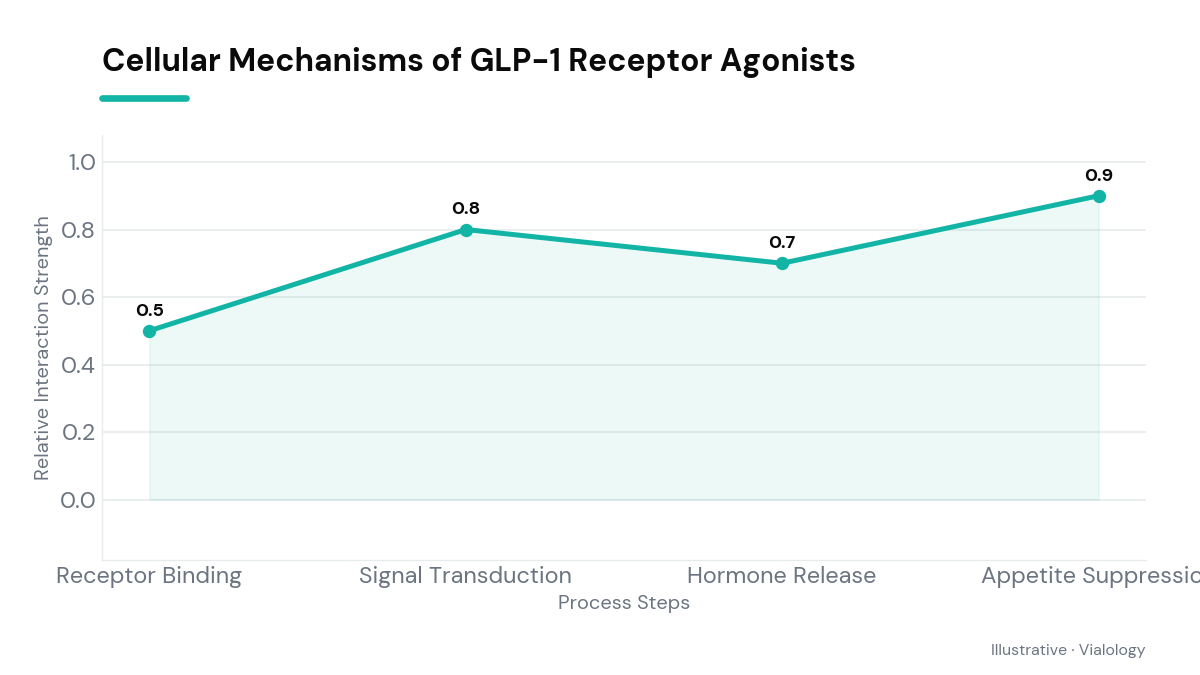
At the cellular level, metabolic peptides function primarily by binding to specific G-protein coupled receptors (GPCRs) located in key metabolic tissues, including the hypothalamus, pancreas, and gastrointestinal tract. For instance, research indicates that when a peptide ligand binds to its target receptor, it triggers a cascade of intracellular events—such as the activation of adenylate cyclase and the subsequent rise in cyclic adenosine monophosphate (cAMP)—which modulates insulin secretion and satiety signaling. By targeting these precise pathways, scientists can study metabolic regulation without the broad, off-target systemic effects often associated with traditional small-molecule drugs.
In addition to appetite regulation, researchers are examining how certain investigational peptides interact with adipose tissue directly. A 2022 review published in the journal Metabolism highlighted how specific mitochondrial-derived peptides, such as MOTS-c, appear to promote fatty acid oxidation and improve insulin sensitivity in rodent models. While these preclinical studies show promise for understanding cellular energy balance, clinical researchers emphasize that translation from animal models to human physiology remains a complex hurdle, requiring rigorous, multi-phase human trials to confirm therapeutic viability.

GLP-1 Receptor Agonists and Multi-Receptor Co-Agonists
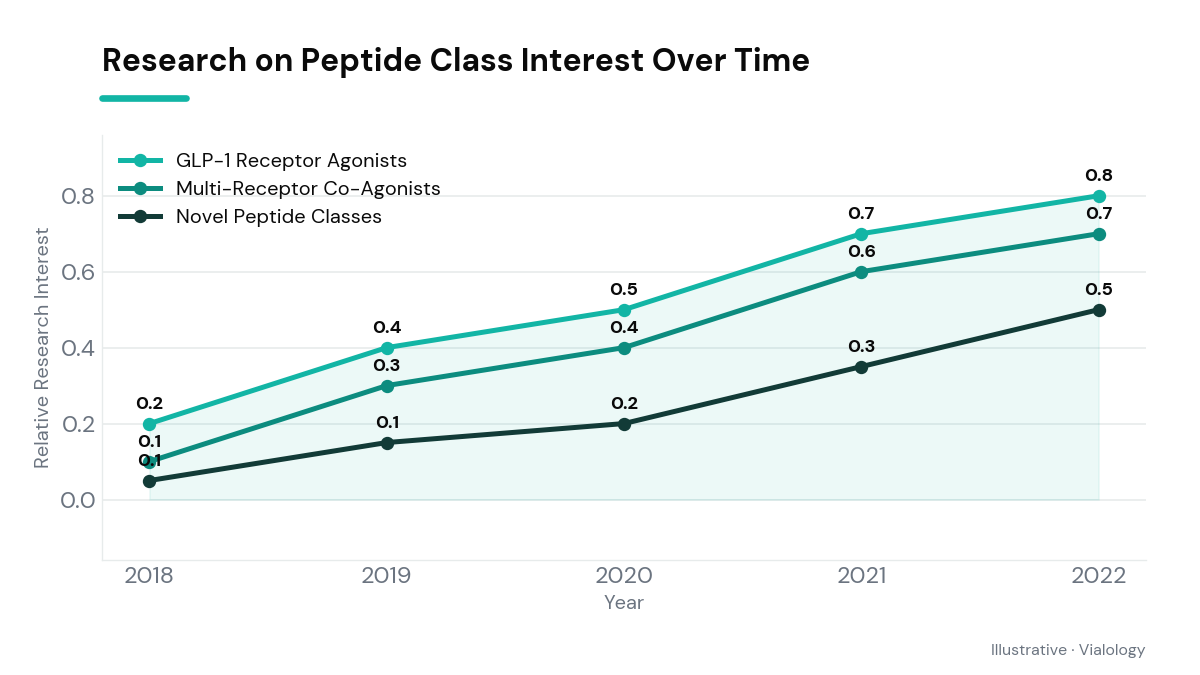
The most widely recognized class of metabolic peptides includes Glucagon-Like Peptide-1 (GLP-1) receptor agonists. In the human body, endogenous GLP-1 is secreted by L-cells in the intestine in response to food intake, stimulating glucose-dependent insulin secretion and delaying gastric emptying. Because natural GLP-1 is degraded within minutes by the enzyme dipeptidyl peptidase-4 (DPP-4), pharmaceutical researchers developed synthetic peptide analogues with structural modifications that resist enzymatic degradation. A landmark 2021 clinical trial published in The New England Journal of Medicine demonstrated that long-acting GLP-1 analogues could safely mimic these natural satiety signals over an extended duration, significantly advancing the study of obesity management.
Building on the success of single-receptor targeting, current clinical research is rapidly shifting toward multi-receptor co-agonists. These hybrid peptides are engineered to activate multiple hormone pathways simultaneously, such as combining GLP-1 with Glucose-Dependent Insulinotropic Polypeptide (GIP) or glucagon receptors. By synergistically targeting complementary metabolic pathways, these multi-agonists aim to optimize glycemic control and energy expenditure, offering researchers a highly sophisticated toolset for studying complex metabolic syndromes.
Evaluating Safety, Efficacy, and Regulatory Status in Peptide Research
Despite the widespread attention surrounding metabolic research, safety and regulatory status remain critical points of discussion within the scientific community. While specific peptide therapies have received FDA approval for managing type 2 diabetes and chronic weight management, many other novel compounds remain strictly in the investigational phase. Researchers caution that unlicensed peptides sourced online bypass standard pharmaceutical quality controls, carrying significant risks of contamination, incorrect dosing, and unverified purity.
Furthermore, clinical trials consistently monitor the adverse event profiles of these compounds. The most common side effects reported in clinical literature are gastrointestinal in nature, including nausea, vomiting, and delayed gastric transit. Long-term safety monitoring is ongoing, as researchers seek to fully understand potential risks such as thyroid C-cell changes and pancreatitis. Consequently, scientific consensus emphasizes that peptide research must be conducted under strict clinical supervision, adhering strictly to established safety protocols and regulatory frameworks.

Frequently asked questions
What are the main classes of peptides studied for metabolic health?
Researchers primarily study incretin mimetics like GLP-1 and GIP receptor agonists, growth hormone secretagogues, and mitochondrial-derived peptides like MOTS-c to understand metabolic regulation.
How do researchers describe the mechanism of GLP-1 receptor agonists?
These peptides mimic natural gut hormones to stimulate insulin secretion, delay gastric emptying, and act on the brain’s satiety centers to reduce appetite.
Are all weight-management peptides FDA-approved for human use?
No, only a select few specific GLP-1 and dual-agonist formulations have received FDA approval for medical use, while many other metabolic peptides remain investigational or restricted to preclinical laboratory research.
What does current clinical research say about peptide safety profiles?
Clinical trials show that while approved metabolic peptides are generally well-tolerated, they frequently cause transient gastrointestinal side effects, and long-term surveillance is ongoing to monitor rare but serious potential risks.
Educational use only. Vialology publishes journalistic and educational content about peptide science. Nothing here is medical advice, diagnosis, or treatment, and nothing should be taken as an endorsement to use any substance. Many peptides discussed are experimental and are not approved by the FDA for human use. Always consult a licensed healthcare professional before making any health decision.