

The retatrutide peptide represents a major frontier in metabolic research as an investigational multi-receptor compound under active clinical study. Developed to target three separate hormone pathways within a single molecule, it expands upon earlier single- and dual-agonist metabolic therapies. Researchers are analyzing its unique structure to understand how multi-receptor engagement affects energy expenditure, glycemic balance, and weight regulation.
Understanding the Triple-Hormone Mechanism
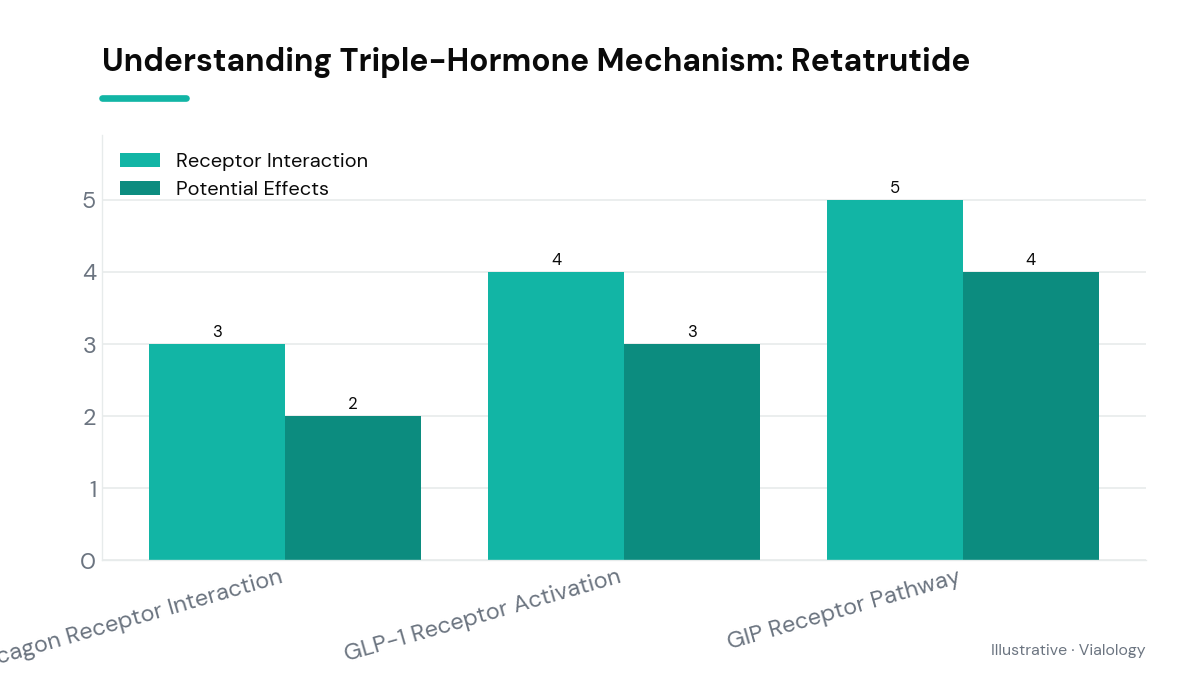
At the cellular level, retatrutide functions as a tri-agonist, binding simultaneously to the receptors for glucagon-like peptide-1 (GLP-1), glucose-dependent insulinotropic polypeptide (GIP), and glucagon. While earlier therapeutic approaches focused exclusively on GLP-1 to enhance glucose-dependent insulin secretion and promote satiety, integrating GIP and glucagon pathways introduces distinct physiological synergies. In research models, GIP activity works alongside GLP-1 to improve metabolic signaling, whereas glucagon receptor activation stimulates energy expenditure and promotes hepatic lipid clearance.
This triple-action mechanism reflects a sophisticated evolution in therapeutic peptide design. By coordinating three complementary endocrine signals within a single synthetic chain, scientists aim to discover whether broad receptor targeting can yield greater physiological effects than single or dual therapies in managing complex metabolic states.
Clinical Trial Findings on the Retatrutide Peptide
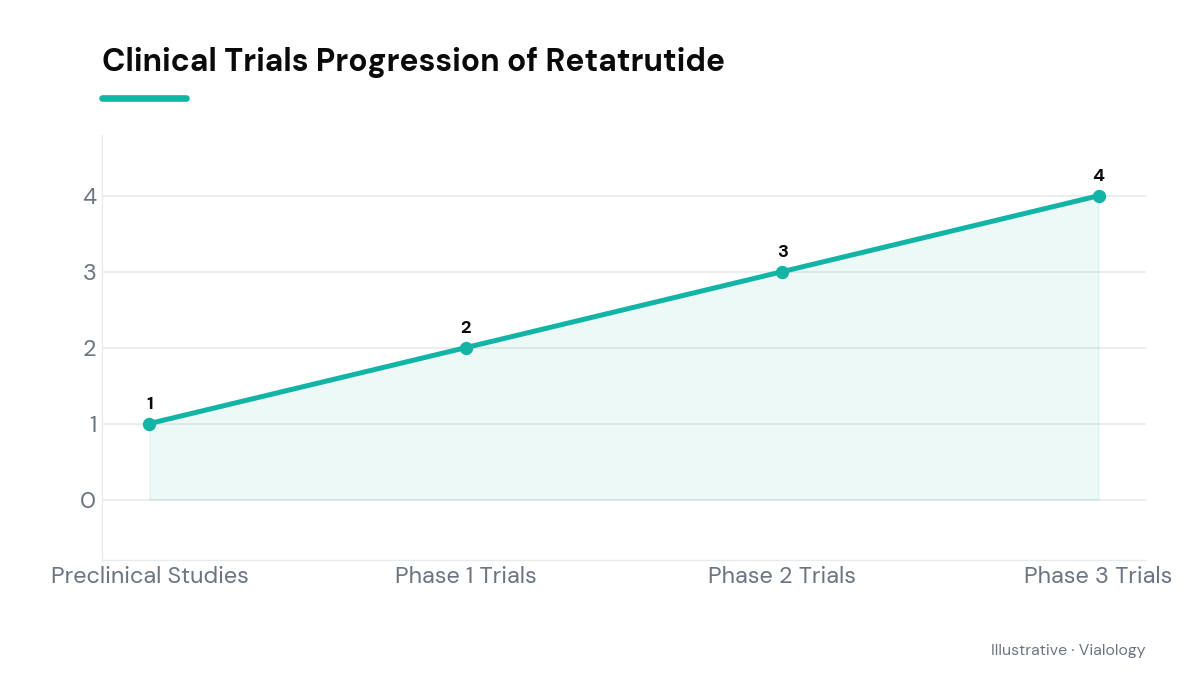
Widespread scientific interest in the retatrutide peptide grew following publication of Phase 2 clinical trial data in 2023. In a 48-week randomized, double-blind trial published in The New England Journal of Medicine, investigators evaluated the molecule across multiple dosage cohorts in adults with obesity. The trial documented substantial, dose-dependent reductions in body weight, reaching up to 24.2% mean loss at higher dosages alongside improvements in glycemic control and lipid markers.
Sub-studies presented in late 2023 further examined retatrutide’s impact on liver physiology. In trial participants with non-alcoholic fatty liver disease (NAFLD), the compound was associated with marked reductions in hepatic fat, with a significant majority of participants returning to normal liver fat levels after 24 to 48 weeks of observation.

Current Phase 3 Research and Safety Profiles
Following Phase 2 outcomes, retatrutide advanced into large-scale Phase 3 clinical trial programs, designated as the TRIUMPH studies, initiated in late 2023. These ongoing Phase 3 trials are designed to evaluate the compound across diverse populations, including individuals with type 2 diabetes, sleep apnea, cardiovascular disease, and chronic kidney conditions, to assess long-term safety and overall clinical efficacy.
To date, the safety profile observed in clinical trials generally mirrors that of established incretin-based therapies. The most commonly documented adverse events have been gastrointestinal, including mild-to-moderate nausea, diarrhea, and constipation, which occurred predominantly during initial dose-escalation phases.
The Future Scope of Tri-Agonist Science
The ongoing research into retatrutide highlights a significant shift toward multi-target peptide therapies in metabolic science. By evaluating how glucagon co-agonism interacts with traditional incretin pathways, researchers are gaining a deeper understanding of energy balance, liver metabolism, and weight regulation.
Because Phase 3 trials remain active, regulatory approval status has not been established. For now, retatrutide remains an investigational research peptide that continues to inform the future design of multi-receptor therapeutics.
Related on Vialology
Frequently asked questions
What is the retatrutide peptide?
The retatrutide peptide is an experimental synthetic molecule designed to simultaneously target three distinct metabolic hormone receptors: GLP-1, GIP, and glucagon.
How does the triple-agonist mechanism of retatrutide work in laboratory studies?
In laboratory studies, retatrutide activates GLP-1 and GIP receptors to support glucose regulation and satiety, while stimulating glucagon receptors to increase energy expenditure and metabolic rate.
What clinical trial phases has retatrutide reached in recent research?
Retatrutide demonstrated promising results in Phase 2 clinical trials published in 2023 and is currently being evaluated in global Phase 3 trials within the TRIUMPH study program.
Is retatrutide currently approved for medical use?
No, retatrutide is an investigational compound and is not currently approved by the FDA or any international regulatory authority for medical use.
Educational use only. Vialology publishes journalistic and educational content about peptide science. Nothing here is medical advice, diagnosis, or treatment, and nothing should be taken as an endorsement to use any substance. Many peptides discussed are experimental and are not approved by the FDA for human use. Always consult a licensed healthcare professional before making any health decision.