

The tirzepatide compound has emerged as a focal point in metabolic research, representing a new class of dual-agonist peptides designed to mimic natural hormone signaling. By simultaneously targeting two different incretin receptors, this molecule offers a more complex approach to endocrinology than traditional single-receptor agonists. Current scientific literature highlights its role in investigating the pathways that govern appetite, insulin secretion, and systemic energy balance.
Dual-Agonist Mechanism: The GIP and GLP-1 Synergy
Incretin hormones, specifically glucagon-like peptide-1 (GLP-1) and glucose-dependent insulinotropic polypeptide (GIP), play a fundamental role in the body’s postprandial response. While GLP-1 has been the primary focus of metabolic research for decades due to its ability to stimulate insulin secretion and delay gastric emptying, GIP was often overlooked or considered less potent. However, recent scientific inquiry has shifted toward the potential synergy between these two pathways. The dual-agonist approach seeks to leverage the strengths of both hormones, where GIP may complement the actions of GLP-1 by further enhancing insulin sensitivity and potentially modulating lipid metabolism in adipose tissue. Researchers have observed that this combined activation leads to a more robust metabolic response in animal models and human clinical trials than targeting either receptor in isolation.
The integration of GIP receptor activation is theorized to address some of the limitations of solo GLP-1 therapy. In research settings, GIP has been shown to have insulinotropic effects that are glucose-dependent, meaning it stimulates insulin release primarily when blood sugar levels are elevated. Additionally, GIP receptors are found in the central nervous system and in adipose tissue, suggesting that its activation may play a role in how the body partitions energy. By combining these effects with the well-documented appetite-suppressing and glucose-lowering properties of GLP-1, the dual-agonist mechanism creates a multifaceted biological influence. This twincretin concept, as it is sometimes called in academic circles, represents a major milestone in the evolution of peptide-based metabolic research.
The Molecular Engineering of the Tirzepatide Compound
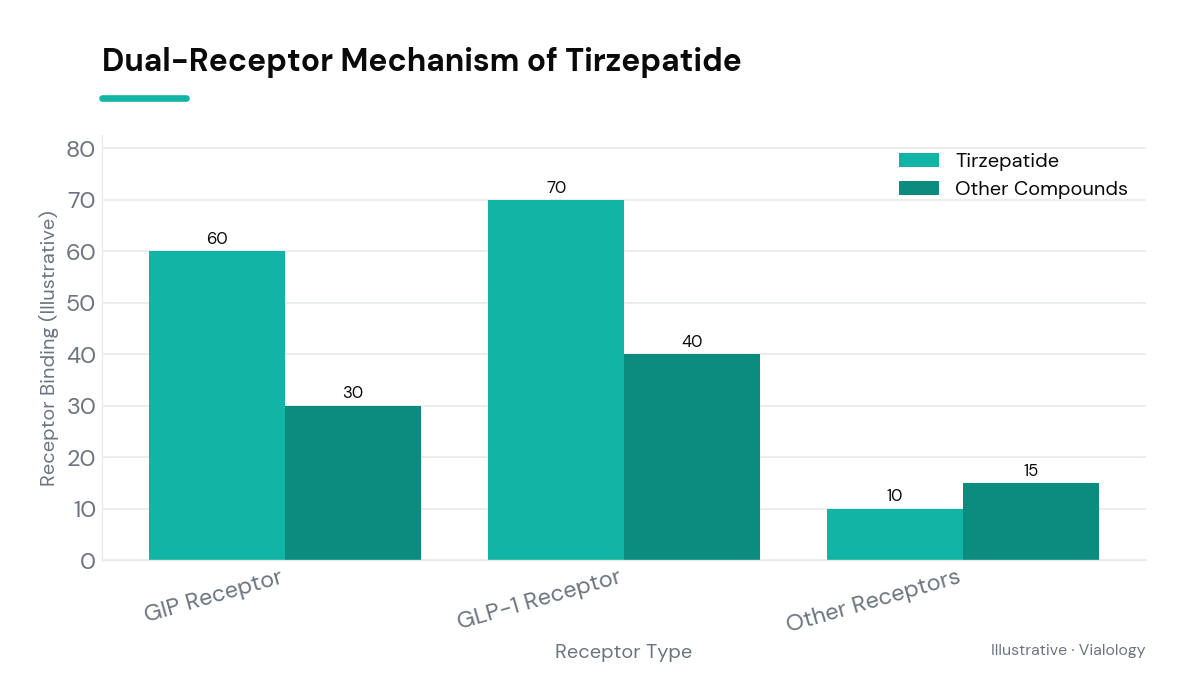
The tirzepatide compound is a synthetic peptide consisting of 39 amino acids, primarily based on the native GIP sequence. What distinguishes its molecular architecture is the inclusion of a C20 fatty diacid moiety, which is covalently attached via a linker. This modification is a critical aspect of its design, as it allows the peptide to bind reversibly to albumin in the bloodstream. By doing so, the compound evades rapid renal clearance and enzymatic degradation, significantly extending its half-life to approximately five days in humans. This structural engineering allows for sustained receptor activation, a marked contrast to the short-lived nature of endogenous incretin hormones, which typically degrade within minutes of secretion. The precise balancing of potency between the GIP and GLP-1 receptors is another feat of molecular modeling, where the compound exhibits high affinity for both, though it is slightly more biased toward the GIP receptor.
This specific amino acid sequence is not merely a combination of two existing hormones but a chimeric structure carefully optimized for metabolic stability. The researchers responsible for its development engineered the peptide to maintain a balance that avoids overstimulating one pathway at the expense of the other. The inclusion of non-natural amino acids in the sequence further protects the molecule from dipeptidyl peptidase-4 (DPP-4), an enzyme that typically breaks down incretin hormones. Because of these structural refinements, scientists can study the long-term effects of dual-receptor agonism using a single molecule, providing a more consistent and controlled experimental model than using a combination of separate peptides.

Insights from the SURPASS and SURMOUNT Research Programs
The clinical landscape for this peptide has been defined by the SURPASS and SURMOUNT trial programs, which represent some of the most extensive research into metabolic regulators in recent years. In a pivotal 2021 study published in the New England Journal of Medicine, researchers conducted a phase 3 trial evaluating the efficacy of the compound across various demographics. The findings indicated a significant reduction in glycated hemoglobin (HbA1c) levels and substantial changes in body weight among participants. Unlike previous generations of single-agonist peptides, the data suggested that the dual-action mechanism could achieve outcomes that were previously only seen with surgical interventions. Further trials, such as SURPASS-2, provided head-to-head comparisons with established GLP-1 receptor agonists, suggesting that the integration of GIP signaling might offer a distinct pharmacological profile in managing glucose levels and metabolic health.
These large-scale clinical programs have also provided valuable data regarding the safety and tolerability profile of dual-agonist molecules. While gastrointestinal effects were noted in many trial participants, the data indicated that these effects were often transient and dose-dependent. The SURMOUNT trials, specifically focusing on weight management in individuals without type 2 diabetes, further expanded the scientific understanding of how these hormones influence body composition and fat distribution. By examining the results across thousands of participants, researchers have been able to establish a clear dose-response relationship, demonstrating the potency of the compound in varying research environments.
Evolving Perspectives on Multi-Receptor Peptides
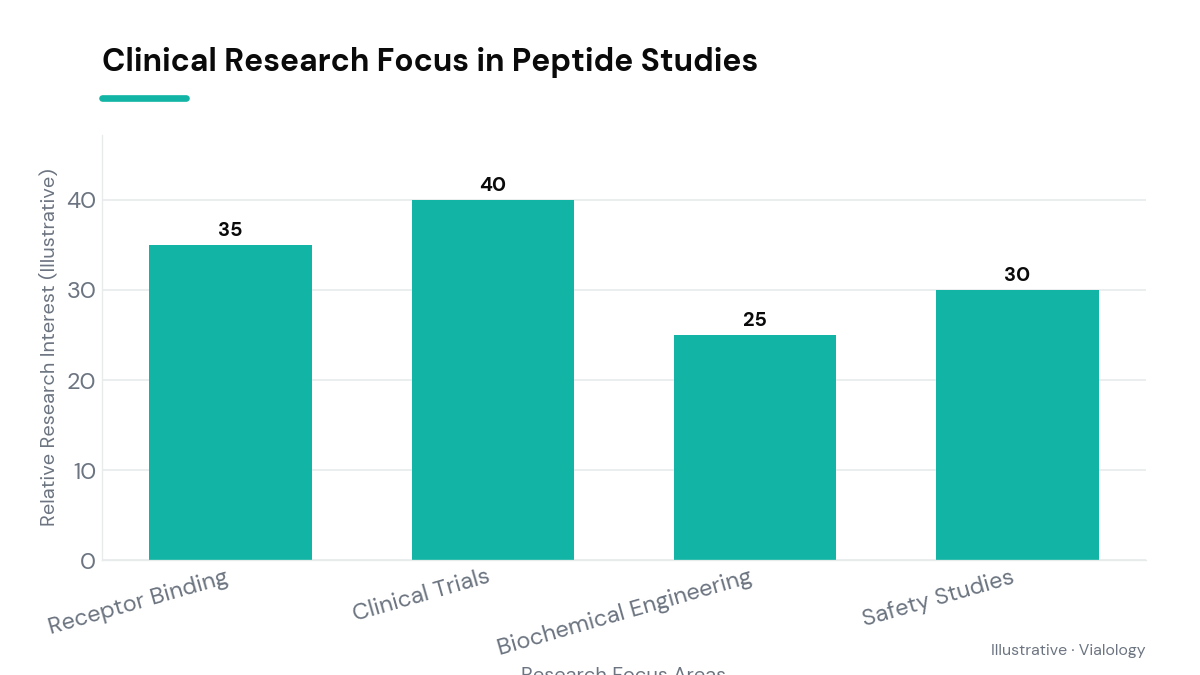
Beyond the primary focuses of glycemic control and weight management, the tirzepatide compound is currently being studied for its potential effects on a range of related physiological systems. Of particular interest to the scientific community is its impact on liver health, specifically concerning non-alcoholic steatohepatitis (NASH). Preliminary research suggests that dual-receptor agonism may reduce hepatic fat accumulation and inflammation more effectively than GLP-1 activation alone. Additionally, ongoing longitudinal studies are examining the compound’s cardiovascular implications, seeking to determine if the metabolic improvements translate into a reduced risk of major adverse cardiovascular events. As peptide science continues to advance, the success of this dual-agonist model serves as a blueprint for the development of tri-agonists and other multi-targeted molecules designed to address complex, multifaceted biological conditions.
The broader implications of this research extend into the field of longevity and aging. Scientists are investigating how the regulation of insulin and metabolic pathways might influence the biological markers of aging and the onset of age-related metabolic decline. While much of this research is still in the early stages, the ability to precisely modulate multiple hormone receptors simultaneously opens a new frontier in pharmaceutical chemistry. The tirzepatide compound remains a primary subject of these inquiries, serving as a foundational molecule for understanding how synergistic hormone signaling can be harnessed to influence systemic health. As more data becomes available from long-term observational studies, the role of this peptide in the future of metabolic medicine will likely become even more defined.
Related on Vialology
Frequently asked questions
What is the tirzepatide compound?
The tirzepatide compound is a synthetic peptide that acts as a dual agonist for the GIP and GLP-1 receptors, designed to regulate metabolism and glucose levels.
How does the dual-agonist mechanism work?
The dual-agonist mechanism works by simultaneously activating two different incretin receptors, mimicking the natural hormones that stimulate insulin secretion and regulate appetite.
What did early clinical trials discover about this peptide?
Early clinical trials, such as the SURPASS program, found that the peptide significantly improved glycemic control and led to substantial weight reduction in study participants.
How does GIP receptor activation differ from GLP-1?
While both are incretins, GLP-1 primarily focuses on insulin secretion and gastric emptying, whereas GIP has additional roles in lipid metabolism and potentially enhancing the body’s sensitivity to insulin.
Educational use only. Vialology publishes journalistic and educational content about peptide science. Nothing here is medical advice, diagnosis, or treatment, and nothing should be taken as an endorsement to use any substance. Many peptides discussed are experimental and are not approved by the FDA for human use. Always consult a licensed healthcare professional before making any health decision.