
While the global demand for glutathione skin whitening treatments has surged in recent years, the actual science behind this tripeptide reveals a highly nuanced biological story. Often hailed as a master antioxidant, glutathione plays a critical role in cellular defense and detoxification throughout the human body. Understanding how it interacts with dermal pathways requires looking closely at clinical data rather than marketing copy.
What is Glutathione and How Does It Work?
Glutathione is a naturally occurring tripeptide composed of three essential amino acids: glutamine, cysteine, and glycine. It exists in almost every cell of the human body, acting as a crucial component of the endogenous antioxidant network. Its primary biological function is to neutralize reactive oxygen species and maintain the delicate redox state of cells, which prevents oxidative damage to proteins and DNA.
When it comes to dermatological applications, researchers have focused heavily on how glutathione interacts with melanin synthesis. It is hypothesized that glutathione influences the enzyme tyrosinase, which is responsible for melanin production. By inhibiting this enzyme and diverting melanin synthesis from dark eumelanin to lighter pheomelanin, glutathione exhibits potential pigment-modifying properties that have captured the interest of researchers and cosmetic manufacturers alike.
Evaluating the Science of Glutathione Skin Whitening
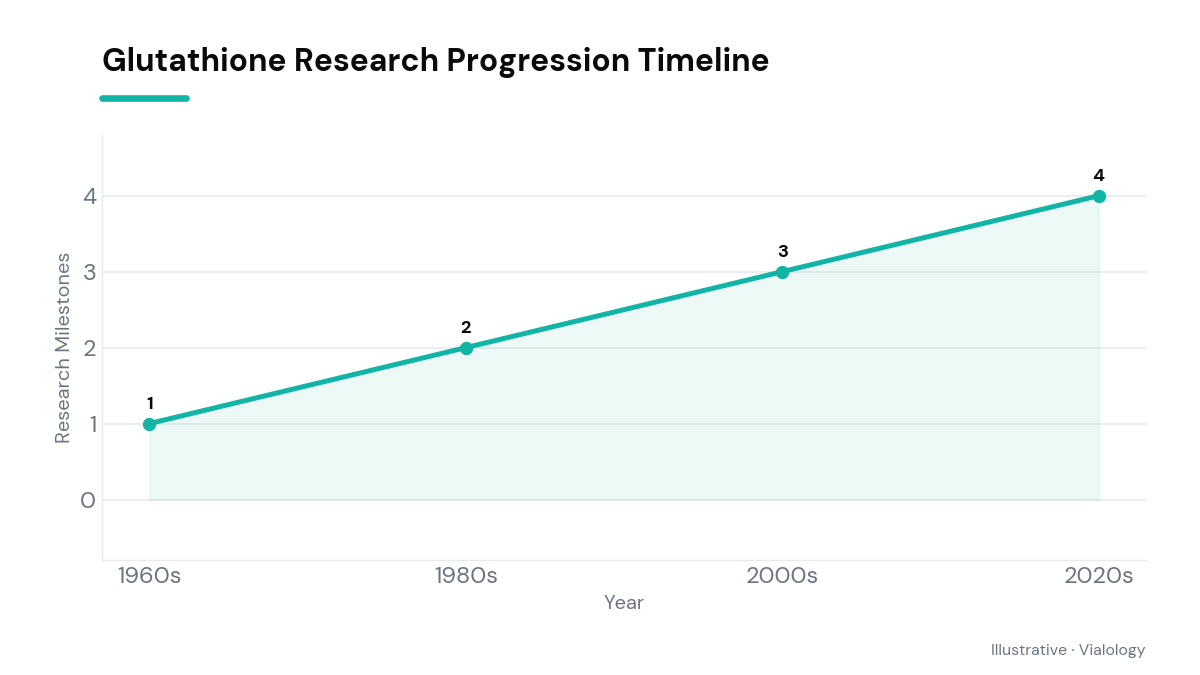
Despite its widespread popularity in wellness clinics and topical formulations, the clinical skin research evidence regarding glutathione’s efficacy as a systemic skin-lightening agent remains mixed. A systematic review analyzed several clinical trials and concluded that while some short-term studies showed modest decreases in melanin indices, many of these trials suffered from small sample sizes, brief follow-up periods, and a distinct lack of long-term safety data.
Furthermore, the route of administration drastically affects how much glutathione actually reaches the skin tissue. Oral glutathione faces significant degradation in the gastrointestinal tract, where enzymes break it down into its constituent amino acids before systemic absorption can occur. While intravenous infusions bypass this first-pass metabolism, clinical trials evaluating their safety and efficacy for cosmetic purposes are highly limited, leading regulatory bodies like the FDA to issue warnings regarding the potential risks of high-dose IV formulations.
Antioxidant Properties vs. Pigment Alteration
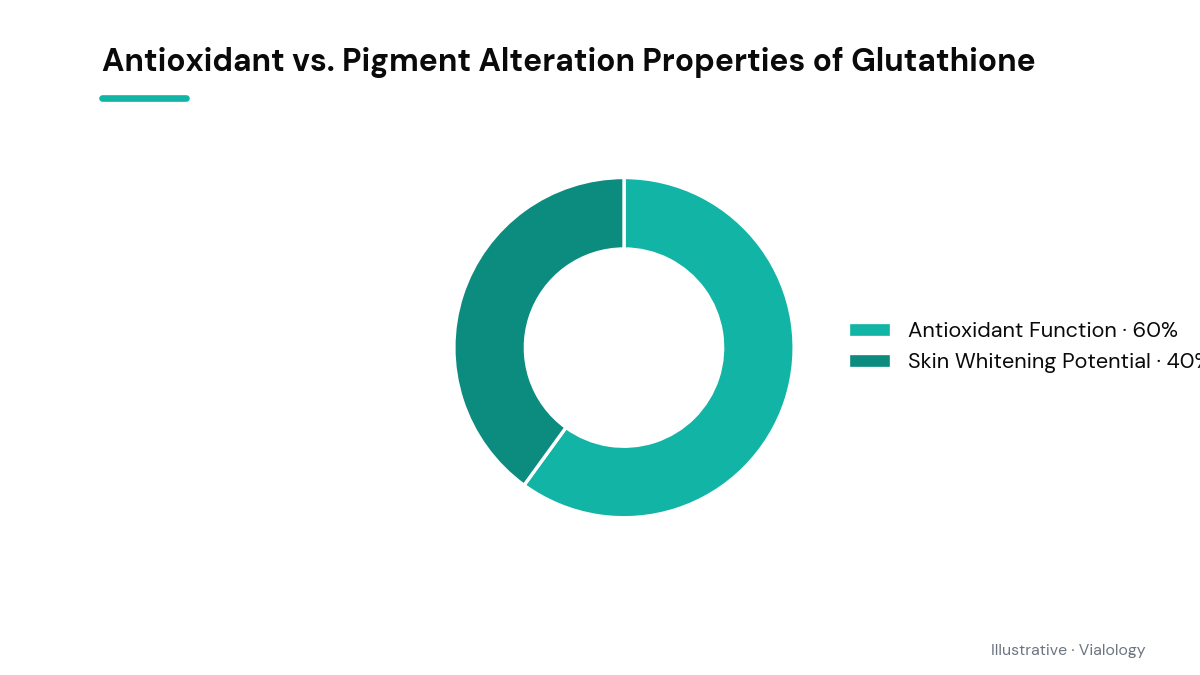
Beyond its contested role in pigmentation, glutathione’s primary strength lies in its ability to mitigate oxidative stress, which is a major driver of skin aging. Exposure to ultraviolet radiation and environmental pollutants generates free radicals that damage dermal collagen and elastin fibers. By neutralizing these free radicals, intracellular glutathione helps protect the skin’s structural integrity from premature photoaging.
Researchers are also investigating precursor molecules, such as N-acetylcysteine, which may support the body’s natural synthesis of glutathione. These laboratory studies suggest that supporting the endogenous antioxidant pool might offer a more stable and physiologically sustainable pathway to overall skin health than attempting to introduce exogenous glutathione directly into systemic circulation.
Related on Vialology
Frequently asked questions
Is glutathione FDA-approved for skin whitening?
No, the FDA has not approved glutathione for skin whitening or lightening, and the agency has issued safety warnings regarding the use of injectable and intravenous glutathione formulations for these purposes.
How does glutathione theoretically affect melanin production?
Research suggests that glutathione may inhibit tyrosinase, the key enzyme involved in melanin synthesis, and shift the production of dark eumelanin to the lighter pheomelanin pigment.
What are the primary limitations of current glutathione research?
Most clinical studies evaluating glutathione for skin lightening suffer from small sample sizes, lack of long-term safety monitoring, and conflicting results regarding the efficacy of different administration routes.
Educational use only. Vialology publishes journalistic and educational content about peptide science. Nothing here is medical advice, diagnosis, or treatment, and nothing should be taken as an endorsement to use any substance. Many peptides discussed are experimental and are not approved by the FDA for human use. Always consult a licensed healthcare professional before making any health decision.