

Investigating the clinical literature surrounding a potential tesofensine dosage reveals a complex pharmacological profile that has intrigued obesity researchers for over a decade. Originally developed to treat neurodegenerative conditions like Parkinson’s and Alzheimer’s diseases, this triple monoamine reuptake inhibitor has transitioned into a prominent candidate for weight management studies. By examining the data from human trials, researchers can better understand how different administration levels impact both efficacy and safety.
The Pharmacology of Tesofensine
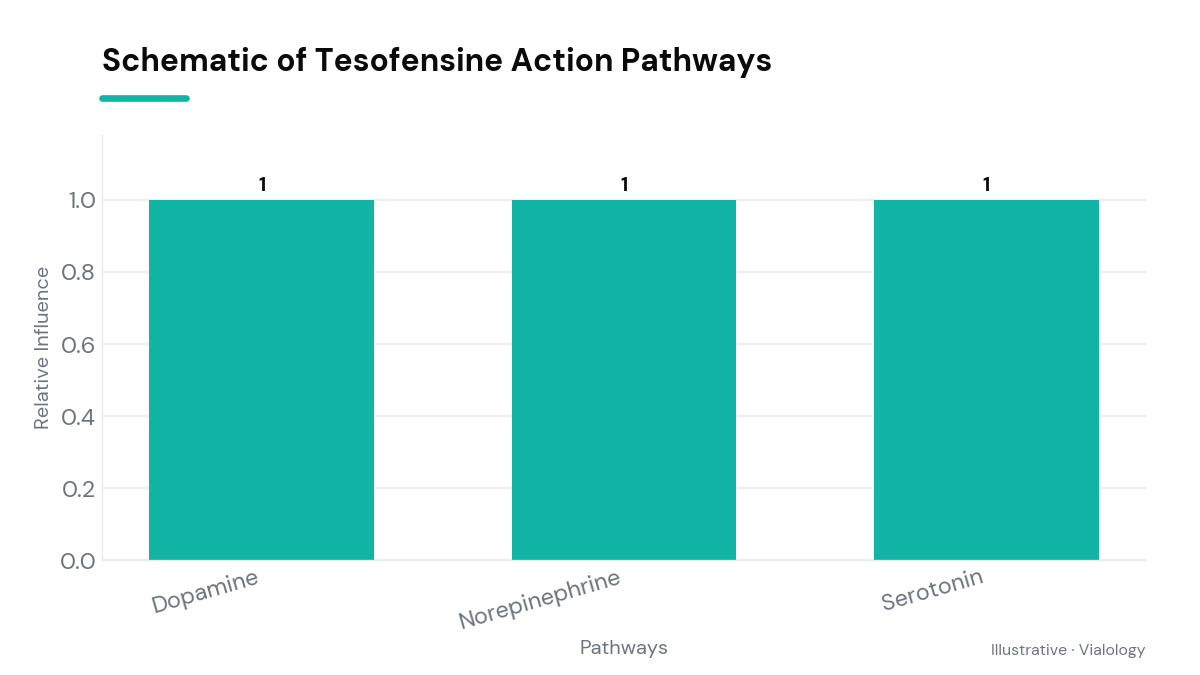
Tesofensine (NS2330) operates by inhibiting the reuptake of three major neurotransmitters: dopamine, serotonin, and noradrenaline. By preventing the reabsorption of these chemical messengers in the brain, the compound effectively increases their availability in the synaptic cleft. In animal models and clinical trials, this triple mechanism of action has been shown to suppress appetite, increase resting energy expenditure, and modify food-seeking behaviors. This unique combination of pathways sets it apart from traditional single- or dual-reuptake inhibitors.
Because of its potent influence on multiple neurotransmitter systems, finding the balance in research models is crucial. Clinical trials have demonstrated that the compound has an exceptionally long half-life in humans—approximately 220 hours. This slow clearance rate means that steady-state levels in the body are achieved gradually, making the evaluation of cumulative exposure and long-term tolerance a key focus of scientific inquiry.
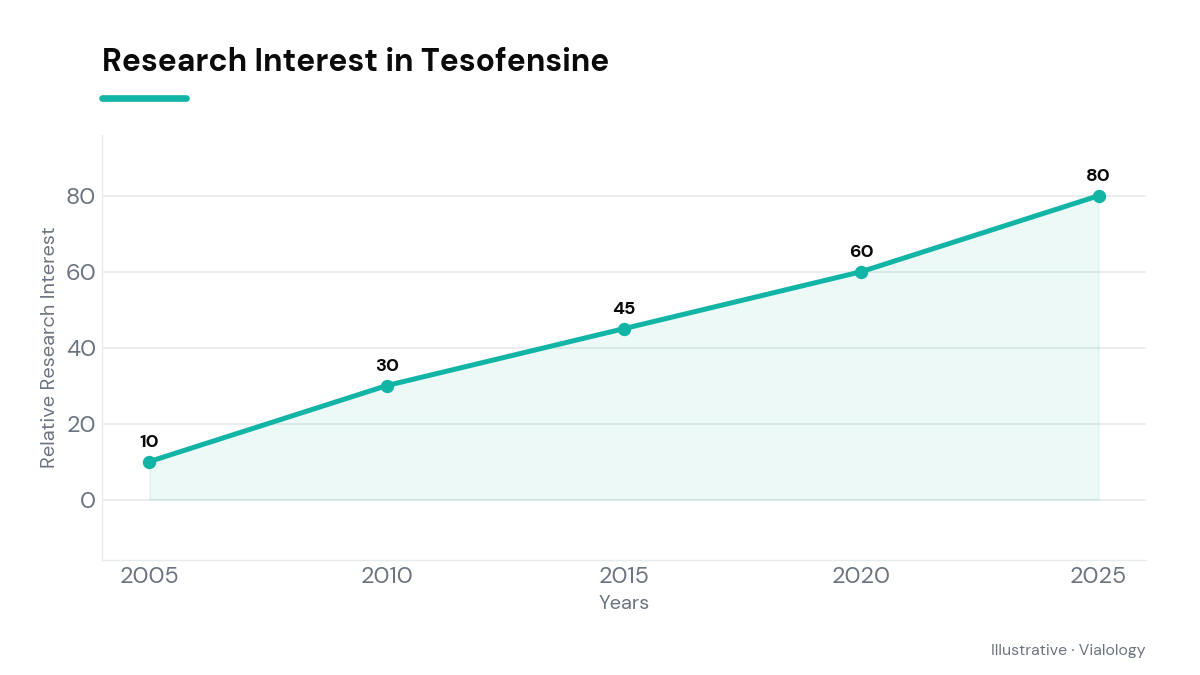
Analyzing Tesofensine Dosage in Clinical Trials
In human clinical research, particularly the landmark Phase II TIPO-1 study published in 2008, investigators evaluated three distinct daily amounts: 0.25 mg, 0.5 mg, and 1.0 mg over a 24-week period. The results demonstrated a clear dose-dependent relationship regarding weight reduction. Participants receiving the 0.5 mg and 1.0 mg quantities experienced significant decreases in body mass compared to the placebo group. However, researchers noted that while the highest amount produced the most pronounced weight loss, it also led to a higher incidence of adverse events.
To assist investigators in analyzing these clinical outcomes, referring to an established dosage reference can clarify how researchers weigh the trade-offs between metabolic efficacy and patient tolerance. The consensus among trial investigators suggested that the 0.5 mg daily amount offered the most favorable therapeutic index, providing substantial weight-loss efficacy while minimizing the nervous system stimulation and cardiovascular acceleration associated with the 1.0 mg cohort.

Safety Profiles and Side Effects in Research
The side effects associated with tesofensine are closely tied to its mechanism of action as a stimulant-like compound. At elevated levels in clinical studies, common adverse effects included dry mouth, insomnia, headache, and gastrointestinal disturbances. More critically, researchers observed dose-dependent increases in heart rate and blood pressure, which are typical class effects of agents that elevate synaptic noradrenaline and dopamine.
These cardiovascular observations have led researchers to emphasize caution when interpreting data from earlier trials. In subsequent clinical evaluations, investigators have focused on lower ranges to determine if the metabolic benefits can be sustained without elevating cardiovascular risk. This cautious approach underscores why the compound remains under investigation and has not achieved broad regulatory clearance for public prescription.
Current Regulatory Status and Future Directions
As of today, tesofensine is not approved by the United States Food and Drug Administration (FDA) for the treatment of obesity or any other medical condition. Although it has undergone various stages of clinical testing, including Phase III trials in specific international jurisdictions, it remains classified as an investigational drug. Consequently, its use is strictly limited to laboratory research and clinical trial settings.
Future research continues to explore whether combining tesofensine with other compounds, such as metoprolol (a beta-blocker), can mitigate the heart rate increases while preserving its potent appetite-suppressing qualities. These novel combination trials represent the next frontier in understanding how to safely harness the compound’s metabolic potential in clinical science.
Related on Vialology
Frequently asked questions
Is tesofensine FDA-approved for weight loss?
No, tesofensine is not approved by the FDA for weight loss or any other therapeutic indication, and it remains an investigational compound.
What is the half-life of tesofensine?
Tesofensine has an exceptionally long half-life of approximately 220 hours (about 9 days) in humans, meaning it takes several weeks to clear from the body.
How does tesofensine affect heart rate in clinical trials?
Clinical data shows that tesofensine can cause dose-dependent increases in heart rate and blood pressure due to its noradrenergic activity.
What were the main dosages evaluated in the Phase II TIPO-1 trial?
The landmark Phase II trial investigated daily amounts of 0.25 mg, 0.5 mg, and 1.0 mg to evaluate weight loss efficacy and patient tolerability.
Educational use only. Vialology publishes journalistic and educational content about peptide science. Nothing here is medical advice, diagnosis, or treatment, and nothing should be taken as an endorsement to use any substance. Many peptides discussed are experimental and are not approved by the FDA for human use. Always consult a licensed healthcare professional before making any health decision.