
When exploring the scientific literature on NNMT inhibitors, understanding the parameters of a 5-amino-1mq dosage in experimental models is essential for contextualizing its metabolic effects. This small molecule has captured the attention of longevity researchers for its unique ability to block nicotinamide N-methyltransferase (NNMT), an enzyme closely linked to cellular energy regulation. Because 5-Amino-1MQ remains an investigational compound, academic literature currently defines its parameters strictly within preclinical research environments.
What is 5-Amino-1MQ and How Does It Function?
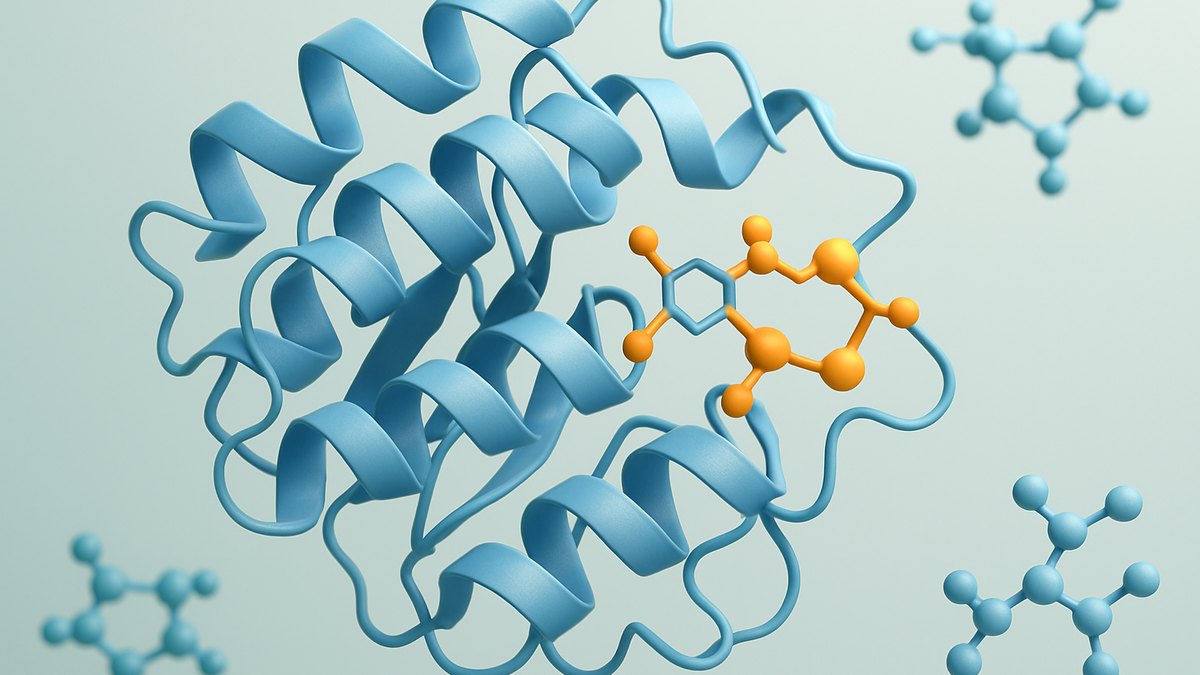
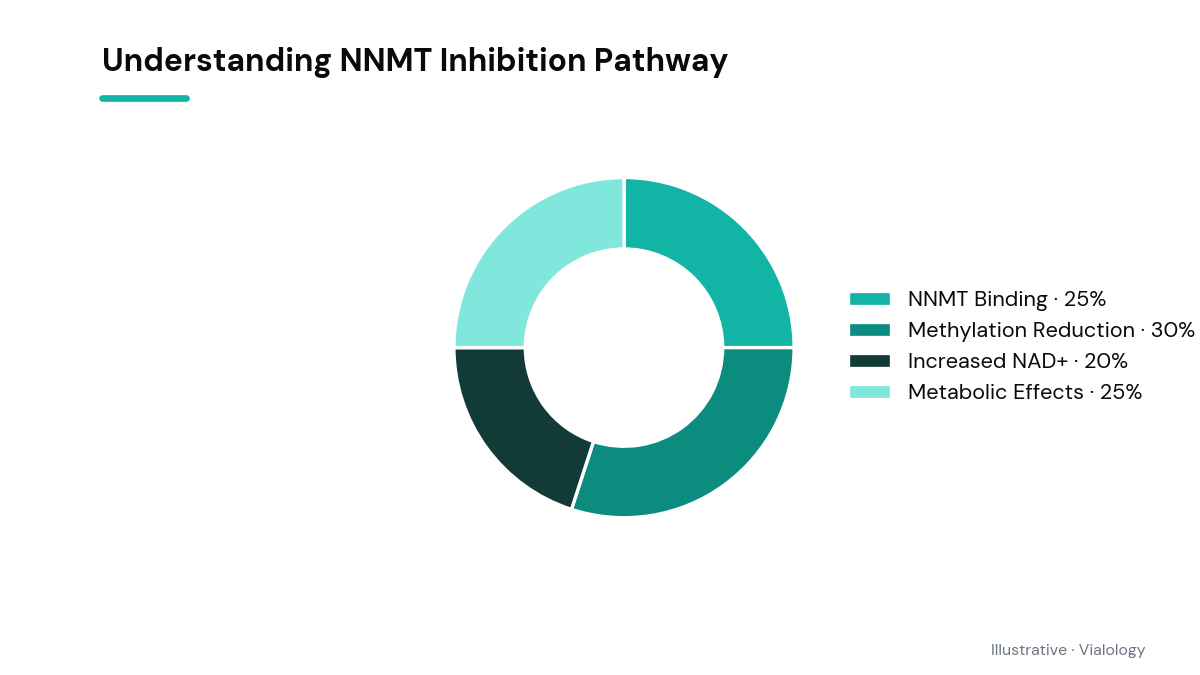
To understand why researchers study specific administration protocols, it is first necessary to understand how the compound operates at a cellular level. 5-Amino-1MQ is a membrane-permeable small molecule that functions as a selective inhibitor of nicotinamide N-methyltransferase (NNMT). NNMT is highly active in adipose tissue and skeletal muscle, where it plays a key role in regulating energy expenditure. By suppressing this enzyme, the compound influences the cellular levels of nicotinamide adenine dinucleotide (NAD+), a vital coenzyme involved in metabolism and mitochondrial function.
In preclinical models, blocking NNMT has shown promising results in shifting cellular metabolism from energy storage to utilization. Researchers have observed that suppressing this pathway increases the expression of sirtuin 1 (SIRT1) and promotes mitochondrial biogenesis in fat tissues. These cellular shifts make 5-Amino-1MQ a compelling subject for studies focusing on obesity and age-related metabolic decline.
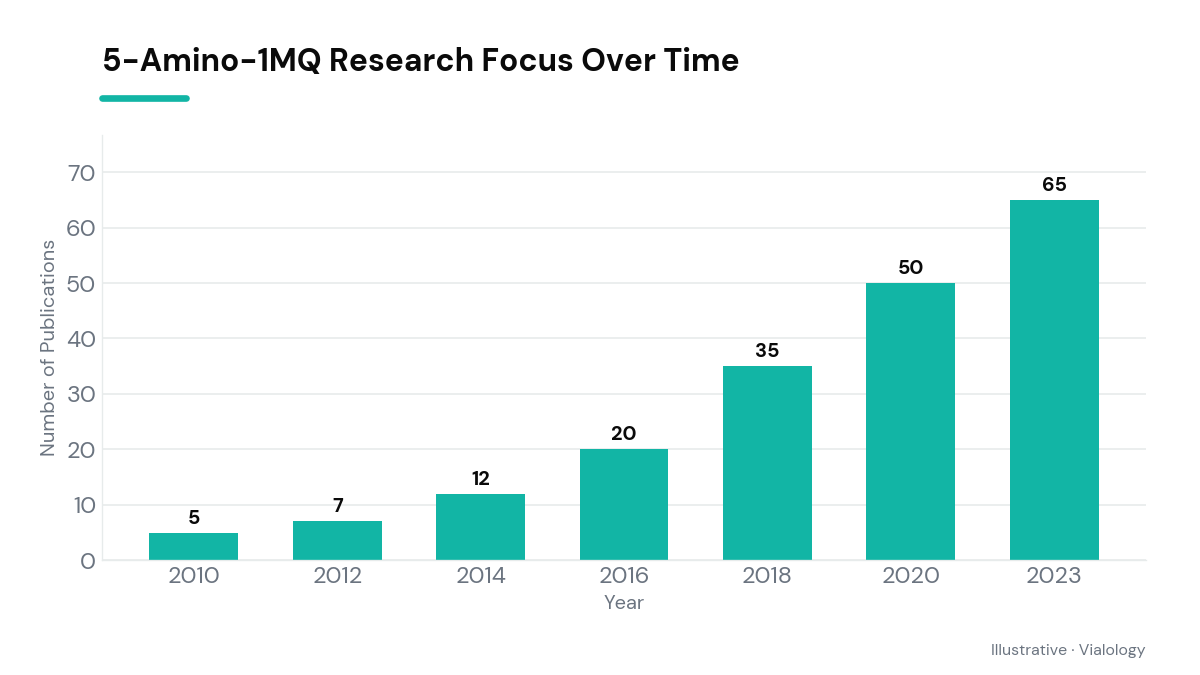
Evaluating 5-Amino-1MQ Dosage in Preclinical Animal Studies
Most of what the scientific community knows about 5-amino-1mq dosage thresholds comes from rodent studies. In a landmark 2018 study conducted by researchers at the University of Texas Medical Branch (UTMB), diet-induced obese mice were treated with 5-Amino-1MQ to evaluate its impact on metabolic health. The researchers administered the compound at a dose of 20 milligrams per kilogram of body weight (mg/kg) daily. Over an 11-day period, the treated mice exhibited a significant reduction in fat mass and a decrease in total cholesterol levels compared to control groups.
Converting these animal doses to human equivalents is a complex pharmacological process that involves adjusting for body surface area and metabolic rate. For instance, a 20 mg/kg dose in mice does not translate directly to humans. According to FDA guidelines for estimating safe starting doses in clinical trials, animal doses must undergo proportional conversions, illustrating why researchers rely on structured pharmacokinetic data rather than direct translations.
Human Research and the Absence of Clinical Guidelines
Despite the popularity of 5-Amino-1MQ in online longevity forums, there are currently no completed, peer-reviewed clinical trials establishing a standard human dosage profile. It is critical to emphasize that 5-Amino-1MQ is not approved by the U.S. Food and Drug Administration (FDA) for the treatment, prevention, or cure of any medical condition. Because human safety data is virtually non-existent in the literature, the scientific community lacks established guidelines regarding its long-term safety.
In the absence of clinical trials, researchers looking to design future human protocols often consult academic compilations and synthetic research profiles. For those reviewing the historical trajectory of NNMT inhibitor research, consulting a comprehensive dosage reference can provide necessary context on how these compounds transition from cell cultures to animal models. Currently, the primary consensus is that further safety assessments are urgently needed before human metabolic responses can be validated.
Potential Risks and Cellular Implications of NNMT Inhibition
While the metabolic benefits observed in animal studies are intriguing, inhibiting NNMT is not without potential biological risks. NNMT is a major regulator of methyl donor availability within the cell, transferring methyl groups from S-adenosylmethionine (SAM). This process directly impacts DNA methylation and epigenetic regulation. Artificially suppressing this enzyme for extended periods could theoretically disrupt gene expression patterns across multiple organ systems, a concern that researchers are actively investigating.
Furthermore, the tissue-specific distribution of NNMT means that systemic inhibition could lead to off-target effects. While suppressing NNMT in fat tissue appears to promote weight loss in mice, the enzyme also plays protective roles in other organs. Until researchers conduct comprehensive, long-term toxicology studies in mammals, the full spectrum of side effects associated with high-dose or prolonged NNMT inhibition remains unknown. Consequently, scientific interest remains confined to highly controlled laboratory settings.
Related on Vialology
Frequently asked questions
Is 5-Amino-1MQ FDA-approved for human use?
No, 5-Amino-1MQ is an investigational compound and is not approved by the FDA for human consumption, prescription, or clinical therapy.
What dosage of 5-Amino-1MQ was used in the UTMB mouse study?
In the 2018 University of Texas Medical Branch study, researchers administered 20 mg/kg of 5-Amino-1MQ daily to diet-induced obese mice.
Are there any completed human clinical trials for 5-Amino-1MQ?
Currently, there are no completed, peer-reviewed human clinical trials establishing the safety, efficacy, or standard dosing protocols for 5-Amino-1MQ.
How does 5-Amino-1MQ work at a cellular level?
It selectively inhibits the enzyme nicotinamide N-methyltransferase (NNMT), which leads to increased cellular NAD+ levels and enhanced mitochondrial metabolism.
Educational use only. Vialology publishes journalistic and educational content about peptide science. Nothing here is medical advice, diagnosis, or treatment, and nothing should be taken as an endorsement to use any substance. Many peptides discussed are experimental and are not approved by the FDA for human use. Always consult a licensed healthcare professional before making any health decision.