

As the scientific community increasingly explores the therapeutic potential of research chemicals, sourcing high-quality, third party tested peptides has become a critical priority for laboratories and independent investigators alike. However, relying solely on a Certificate of Analysis (COA) can lead to a false sense of security. To truly understand the integrity of a research compound, investigators must look past the PDF and ask deeper questions about supply chain transparency and analytical methodology.
Evaluating Batch-to-Batch Variance in Third Party Tested Peptides
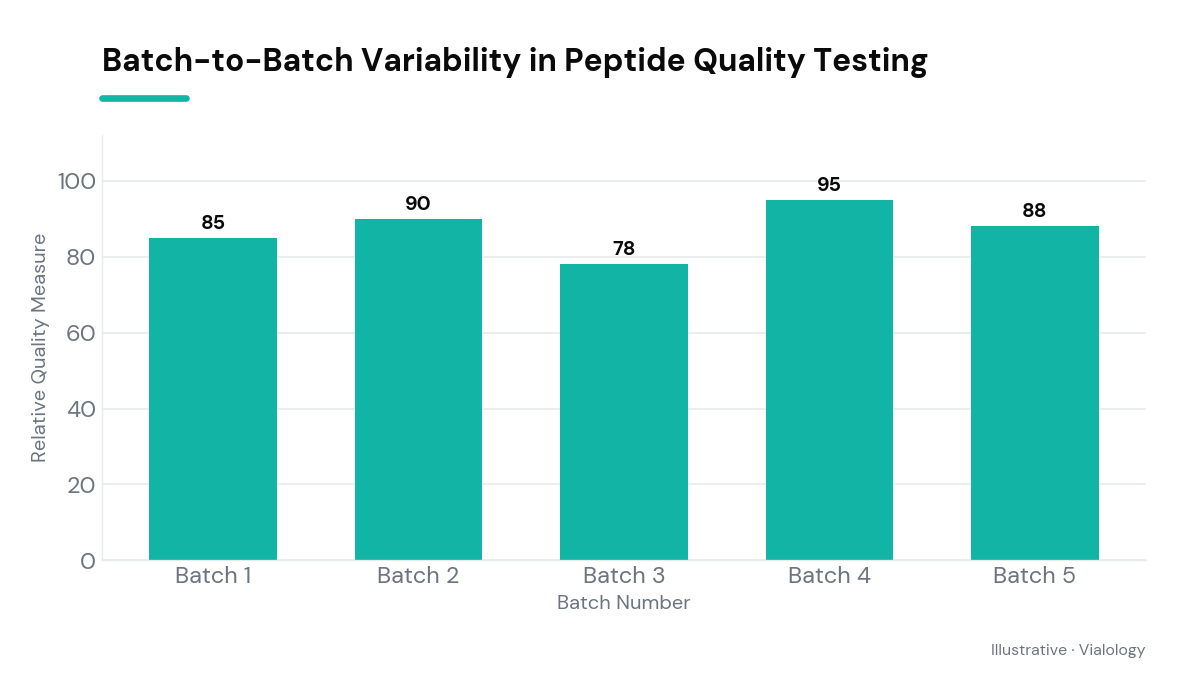
A single Certificate of Analysis represents only one point in time, essentially a snapshot of a specific batch. When evaluating a source for third party tested peptides, it is crucial to ask how frequently the supplier tests new batches and whether they can demonstrate consistency across multiple production runs. If a supplier displays the same COA for over a year, it suggests they are either selling extremely old stock or failing to test new batches as they arrive.
Peptide synthesis is a highly delicate process where minor shifts in temperature, reagent purity, or reaction time can introduce unwanted trifluoroacetate (TFA) salts or truncated peptide sequences. To ensure scientific accuracy in preclinical models, researchers should request historical testing records to verify that purity levels remain consistently above the industry-standard 98% threshold across different manufacturing lots.
How is the Analytical Lab Verifying Compound Identity?
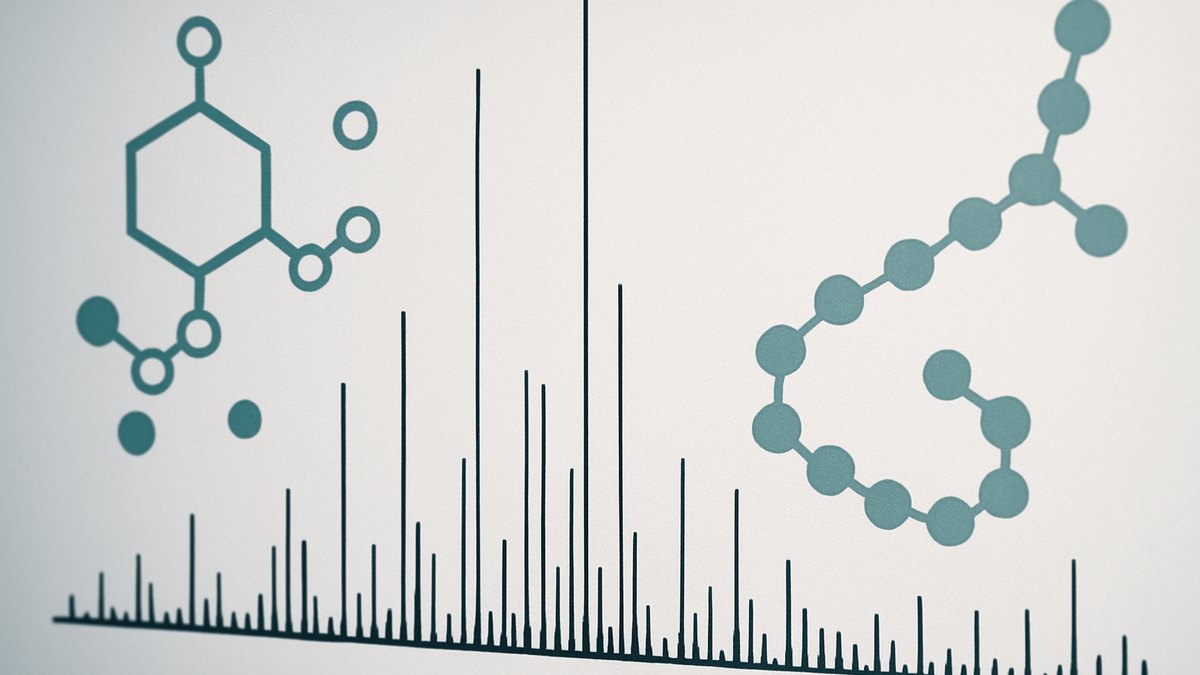
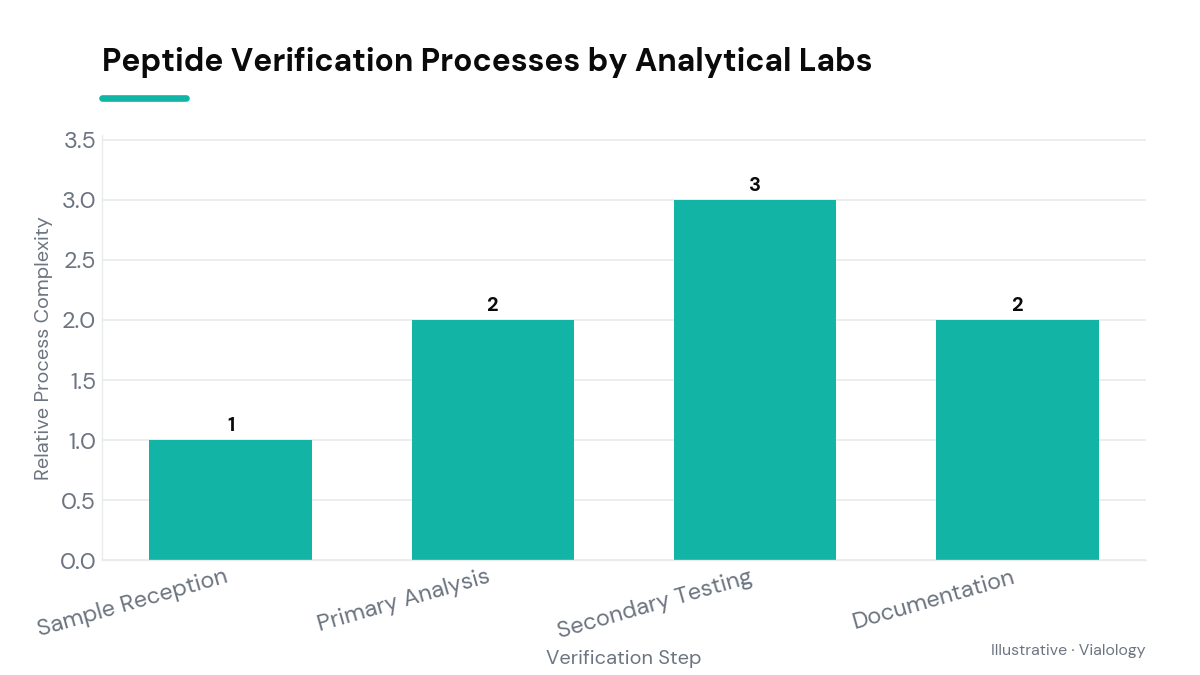
Not all analytical laboratories employ the same rigorous standards, and simply seeing a passing grade on a report is not enough. High-performance liquid chromatography (HPLC) and mass spectrometry (MS) are the gold standards for verifying both purity and sequence identity, but the raw data chromatograms must accompany the summary. When vetting a peptide supplier, investigators should confirm that the testing facility is an independent, accredited laboratory with no financial ties to the distributor.
Furthermore, the methods used to interpret the mass spectrometry results must be precise. Some low-quality reports merely verify the molecular weight of the compound without confirming the actual amino acid sequence or identifying potential diastereomeric impurities that can drastically alter biological activity in experimental setups.
Where are the Raw Materials Manufactured and Stored?
Although many domestic distributors brand themselves as manufacturers, the vast majority of raw peptide powders are synthesized in overseas facilities, particularly in Asia or Europe. A transparent supplier should be willing to disclose the origin of their bulk materials and outline their domestic quality control protocols, including how they prevent degradation during international transit.
Proper storage conditions are vital because peptides are highly susceptible to moisture, heat, and light. Reputable suppliers must explain their cold-chain logistics, lyophilization (freeze-drying) processes, and how they handle delicate compounds before shipping to ensure that researchers receive active, stable molecules rather than degraded sequences.
Are the Vials Filled by Mass or by Volume?
A common point of confusion in peptide research is the physical appearance of the lyophilized powder inside the vial. A larger cake of powder does not necessarily indicate more peptide; it often indicates a higher concentration of bulking agents, such as mannitol, which are added to stabilize the compound during freeze-drying.
Researchers need to know whether the supplier uses precise gravimetric filling techniques or if they rely on volumetric averages. Variations in filling can lead to significant discrepancies in actual peptide content per vial, which directly undermines the reproducibility of experimental dosing and quantitative analysis in laboratory trials.
Related on Vialology
Frequently asked questions
Why isn’t a single COA enough to guarantee peptide quality?
A single COA only represents a specific batch at a specific point in time and does not account for subsequent degradation, batch variations, or the potential for forged documents from unverified distributors.
What is the difference between peptide purity and peptide content?
Peptide purity measures the percentage of the target peptide relative to other peptide impurities in the sample, whereas peptide content measures the actual weight of the peptide compared to salts, water, and bulking agents like mannitol.
How should lyophilized peptides be stored to maintain stability?
Lyophilized peptides should generally be stored in a sterile, moisture-free environment at sub-zero temperatures (typically -20 degrees Celsius or below) to prevent hydrolysis and enzymatic degradation over time.
Educational use only. Vialology publishes journalistic and educational content about peptide science. Nothing here is medical advice, diagnosis, or treatment, and nothing should be taken as an endorsement to use any substance. Many peptides discussed are experimental and are not approved by the FDA for human use. Always consult a licensed healthcare professional before making any health decision.