
When evaluating oral administration routes for therapeutic proteins, understanding peptide shelf life is a critical factor for researchers assessing molecular stability. Traditional liquid and lyophilized formulations often require stringent cold-chain logistics to prevent rapid degradation. Emerging encapsulation technologies, however, aim to shield these delicate amino acid chains from environmental and enzymatic breakdown.
The Vulnerability of Unprotected Peptides
Peptides are inherently delicate structures, consisting of short chains of amino acids linked by peptide bonds that are highly susceptible to environmental factors. Exposure to moisture, temperature fluctuations, UV light, and enzymatic activity can rapidly trigger hydrolysis or oxidation, leading to a loss of structural integrity and biological activity. In standard aqueous solutions, these degradation pathways are accelerated, often requiring strict refrigeration or freezing to maintain viability over short periods.
Lyophilization, or freeze-drying, has long been the gold standard for extending storage viability, but it is not without limitations. Lyophilized powders are highly hygroscopic, meaning they readily absorb moisture from the air upon exposure, which immediately initiates degradation. This vulnerability highlights the scientific community’s ongoing search for robust alternative preservation methods that can safeguard these compounds without relying constantly on energy-intensive cold-chain infrastructure.
How Capsule Encapsulation Shields Delicate Sequences
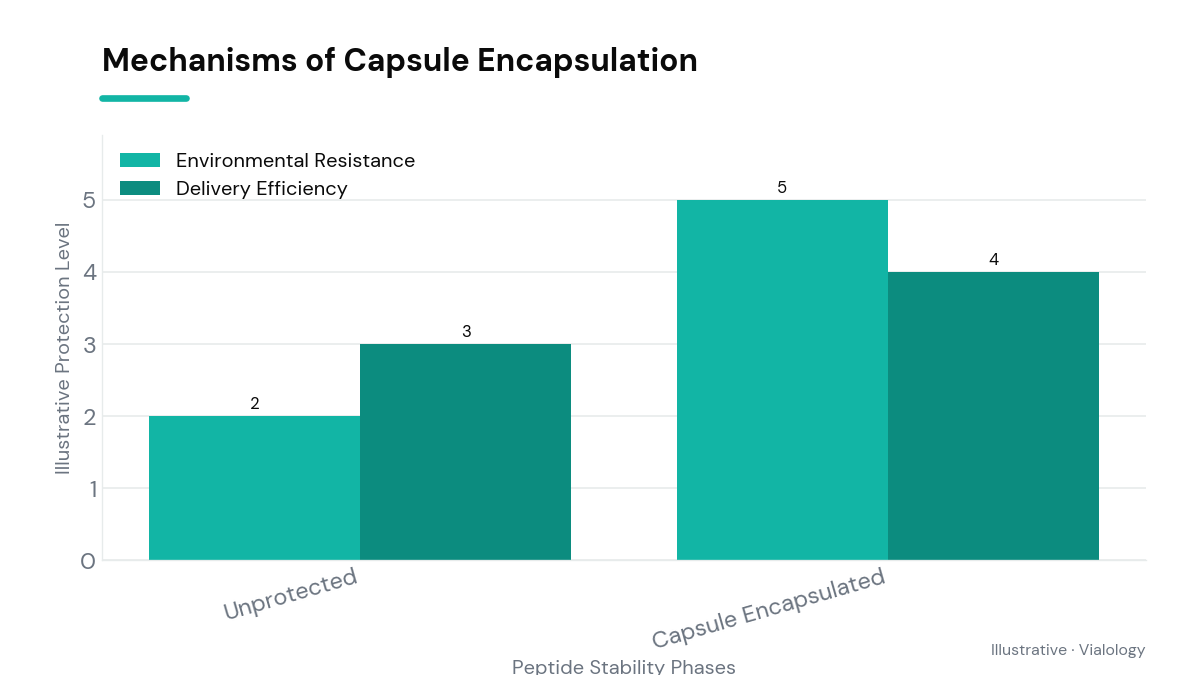
Capsule encapsulation represents a significant technological leap in stabilizing sensitive biomolecules by creating a physical barrier against external stressors. Modern techniques, such as microencapsulation and the use of specialized enteric coatings, wrap the peptide in a protective polymer or lipid matrix. This barrier is designed to defend the active compound against humidity, molecular oxygen, and acidic environments, thereby altering the baseline metrics of traditional peptide shelf life.
In laboratory assessments, encapsulated formulations demonstrate a marked resistance to ambient moisture compared to raw powders. By utilizing hydrophobic shells or gastro-resistant polymer matrices, researchers can prevent premature hydration of the peptide core. A 2022 study evaluating polymer-based microcarrier systems indicated that encapsulated peptides retained their structural conformation under accelerated aging conditions far better than their unencapsulated counterparts, pointing to a promising future for oral delivery development.
Comparing Peptide Shelf Life: Liquid, Powder, and Capsules
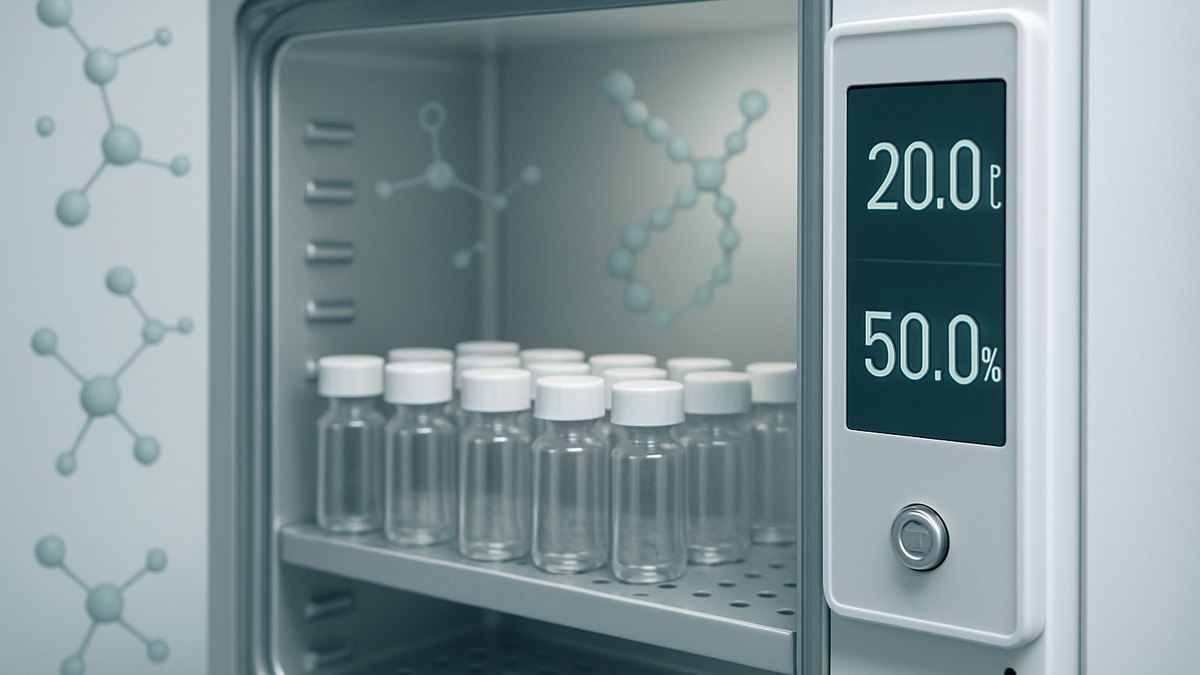
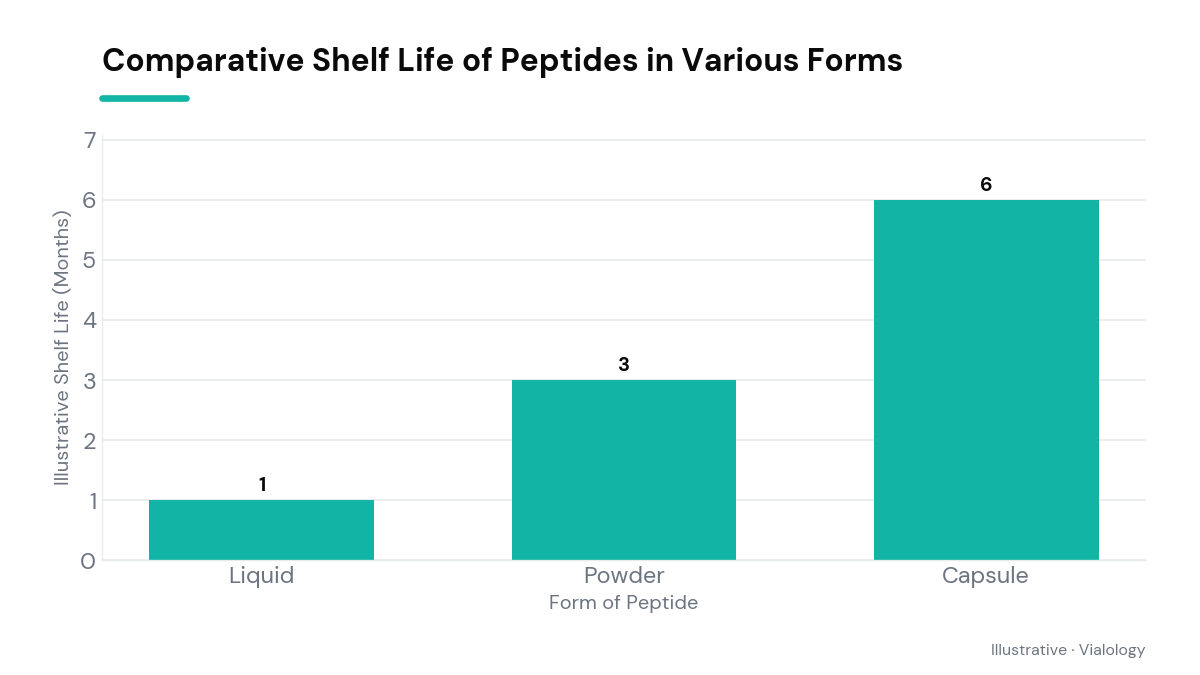
When comparing the longitudinal stability of various formats, clear patterns emerge regarding how physical form dictates shelf life. Liquid formulations remain the most fragile, often degrading within weeks or even days if kept at room temperature. Lyophilized powders extend this window to several months when sealed under inert gas, but they remain highly vulnerable to ambient humidity once the vial seal is punctured.
In contrast, advanced solid oral dosage forms utilizing specialized encapsulation methods exhibit superior long-term viability. By isolating the active ingredients at the microscopic level, these capsules minimize the surface area exposed to degradative forces. Researchers analyzing various solid-state delivery systems often consult detailed encapsulation and shelf-life analyses to compare how different enteric polymers perform under varying thermal loads over extended multi-month observation periods.
Enzymatic Protection and Bioavailability Implications
Beyond simple ambient storage, the primary challenge of oral peptide delivery lies within the harsh environment of the gastrointestinal tract. Unprotected peptides are rapidly cleaved by pepsin in the stomach and trypsin or chymotrypsin in the small intestine, rendering them inactive before they can reach systemic circulation. Encapsulation not only extends external shelf life but also acts as an in vivo shield, delaying release until the carrier reaches the optimal absorption site in the intestinal tract.
Various lipid-based nanocarriers and enteric-coated capsules are currently being studied in animal models to evaluate their protective capabilities. By preventing gastric acid penetration while simultaneously hindering enzymatic access, these engineered capsules allow intact peptides to traverse the stomach safely. While human clinical trials are still ongoing to fully map the pharmacokinetic profiles of these systems, early in vitro data suggest that physical encapsulation is one of the most viable strategies for overcoming the traditional limitations of oral peptide stability.
Related on Vialology
Frequently asked questions
Why do peptides typically have a short shelf life?
Peptides possess sensitive chemical bonds that are highly prone to hydrolysis, oxidation, and enzymatic cleavage when exposed to moisture, heat, oxygen, or biological enzymes.
How does capsule encapsulation extend peptide stability?
Encapsulation wraps the peptide in a protective barrier, such as a lipid or polymer matrix, which physically blocks moisture, oxygen, and gastric acids from degrading the compound.
Are encapsulated peptides approved for general therapeutic use?
While several encapsulated peptide formulations are currently being evaluated in clinical trials and laboratory research, many remain investigational and are not yet globally approved for widespread therapeutic applications.
Educational use only. Vialology publishes journalistic and educational content about peptide science. Nothing here is medical advice, diagnosis, or treatment, and nothing should be taken as an endorsement to use any substance. Many peptides discussed are experimental and are not approved by the FDA for human use. Always consult a licensed healthcare professional before making any health decision.