
When evaluating the therapeutic potential of copper peptides, understanding the landscape of potential ghk-cu side effects is essential for researchers and science enthusiasts alike. Discovered in 1973 by Dr. Loren Pickart, this naturally occurring tripeptide complex has garnered significant interest for its role in tissue remodeling, skin health, and systemic healing. While preclinical models and cosmetic applications suggest a highly favorable safety profile, understanding the boundaries of its biological activity is key to interpreting current scientific literature safely and objectively.
The Biological Profile of GHK-Cu
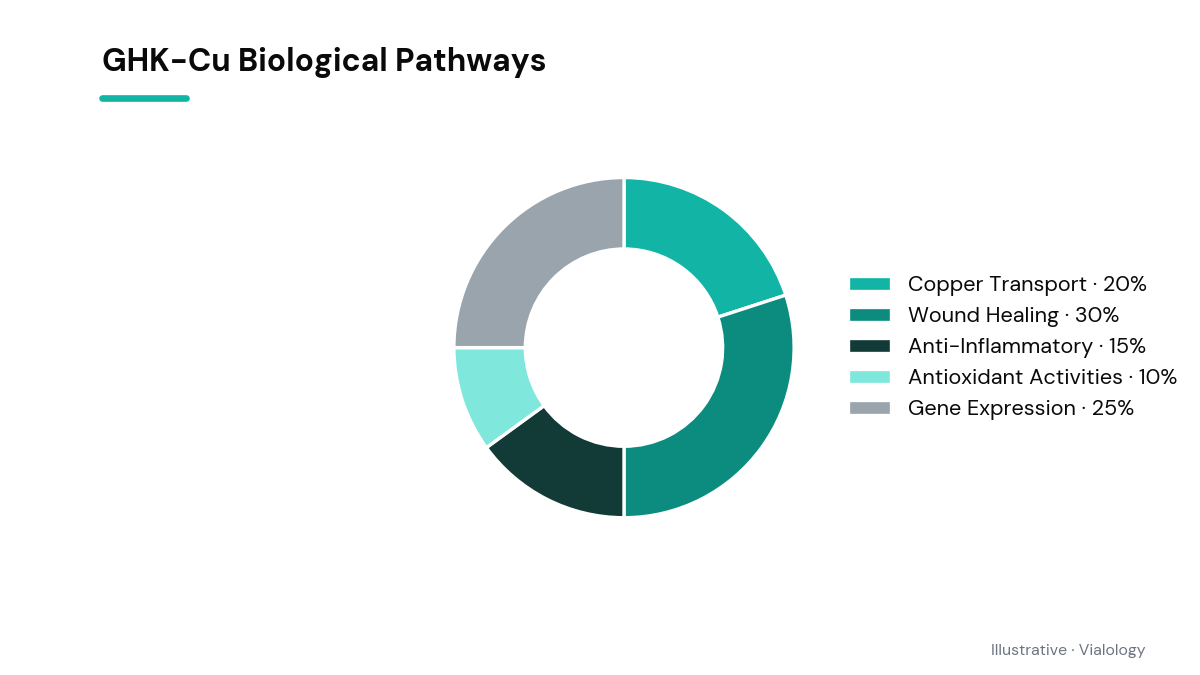
GHK-Cu, or glycyl-L-histidyl-L-lysine copper, is a naturally occurring tripeptide with an exceptionally high affinity for copper ions. In the human body, it plays a critical role in extracellular matrix remodeling, collagen synthesis, and anti-inflammatory pathways. Because copper is a necessary cofactor for various enzymatic reactions, the GHK peptide acts as a biological delivery vehicle, ensuring trace copper is distributed where cells need it most. However, because it actively alters cellular signaling and gene expression, scientists must look closely at how external applications affect this delicate homeostatic balance over extended periods.
To fully appreciate how this molecule interacts with human biology, researchers often review compiled toxicity data. For a deep dive into the literature regarding its safety profile and tissue interactions, you can consult Frontier’s GHK-Cu page to see how researchers classify its systemic effects and physiological clearance. This base of literature helps contextualize the physiological impact of copper-peptide interactions.
Commonly Observed GHK-Cu Side Effects in Research
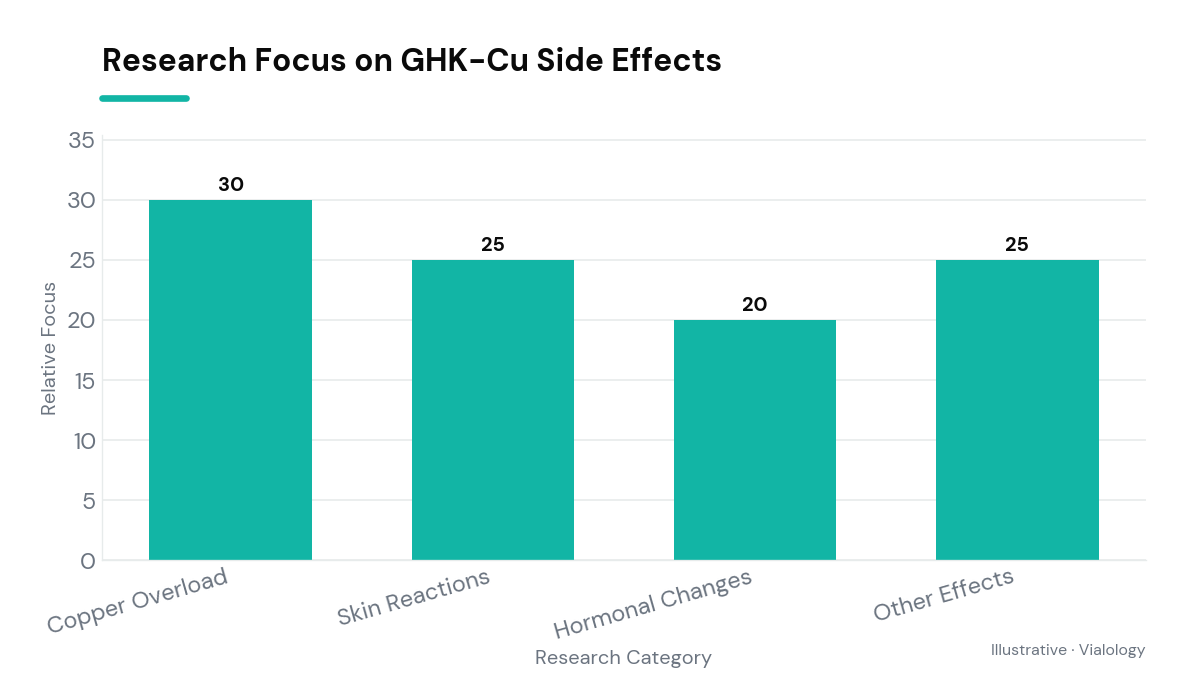
In clinical dermatology trials and pilot studies focusing on topical applications, documented side effects remain relatively mild and infrequent. The most commonly reported localized issues include mild erythema, localized skin irritation, and transient itching or burning sensations at the site of application. These reactions are typically temporary and are often attributed to individual sensitivities to copper concentration or the specific carrier vehicle used in the cosmetic formulation rather than the peptide itself.
In laboratory models exploring systemic administration, researchers monitor for signs of copper toxicity, which remains a primary concern with any copper-binding peptide. Symptoms of excessive copper accumulation can include gastrointestinal discomfort, changes in blood pressure, and potential liver or kidney stress when administered in doses far exceeding standard experimental parameters. Because GHK-Cu is not FDA-approved for internal human use, these systemic threshold studies remain confined to animal models and in vitro testing environments.
The Risk of Copper Overload and Physiological Balance
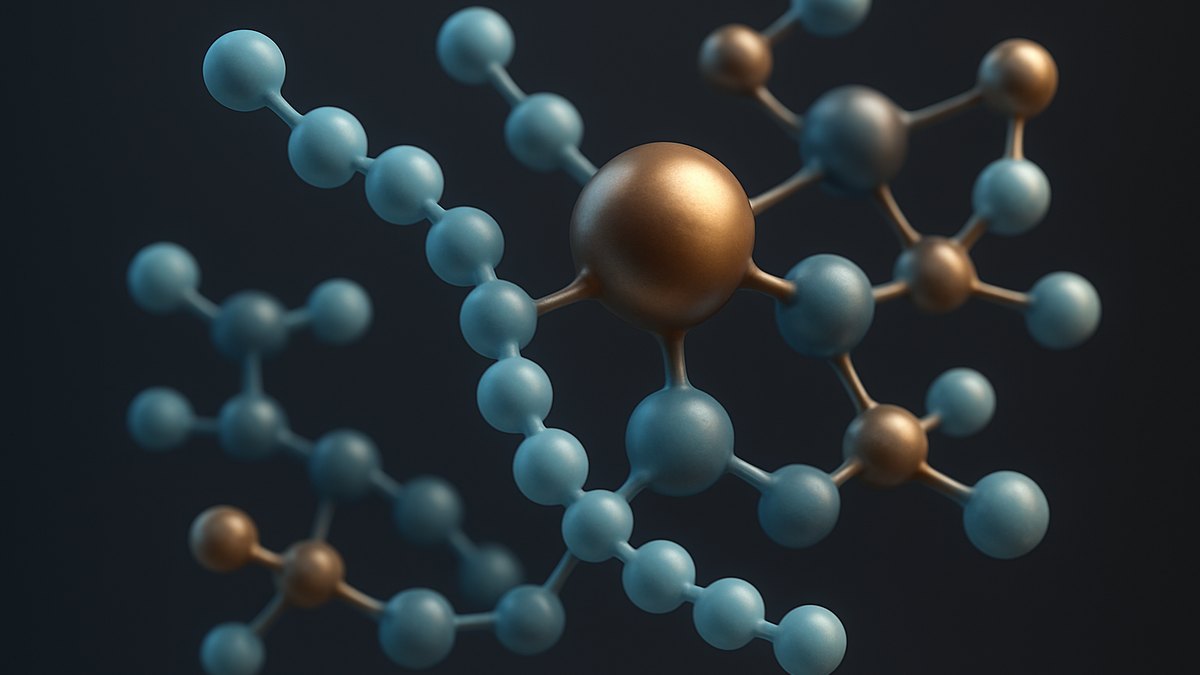
A critical aspect of peptide safety is understanding the delicate balance of trace minerals in the body. Copper works in tandem with other minerals, particularly zinc, to regulate vital physiological processes, including immune function, cellular respiration, and antioxidant defense. Long-term or high-dose administration of copper-binding molecules could theoretically disrupt this balance, leading to relative zinc deficiency or localized oxidative stress if free copper ions are liberated into tissues.
Preclinical investigations demonstrate that GHK-Cu actually exhibits strong antioxidant properties under normal physiological conditions by blocking iron-mediated lipid peroxidation. However, when copper levels exceed the binding capacity of available peptides and proteins, it can act as a pro-oxidant via the Fenton reaction. This dual nature underscores why researchers emphasize precise monitoring of copper levels in longitudinal studies to prevent cellular damage.
What the Clinical Evidence Shows
Human trials evaluating GHK-Cu have primarily focused on its cosmetic and wound-healing benefits. These studies indicate that topical applications are well-tolerated over multi-week periods, with negligible systemic absorption. In contrast, robust clinical trials evaluating the safety of injectable or systemic forms of GHK-Cu in humans are extremely limited, leaving a gap in our understanding of long-term systemic safety. Most of our knowledge regarding systemic administration comes from animal research, which cannot be directly extrapolated to human safety profiles.
Because most comprehensive toxicity data is derived from animal models, translation to human safety guidelines remains speculative. Researchers generally agree that while GHK-Cu exhibits a promising safety profile in preliminary literature, further controlled clinical trials are required to establish a standardized safety baseline for systemic research applications.
Related on Vialology
Frequently asked questions
Is GHK-Cu FDA-approved for human consumption?
No, GHK-Cu is not approved by the FDA for internal use, and its safety is currently established primarily through topical cosmetic research and animal studies.
Can GHK-Cu cause allergic reactions?
Yes, topical application of GHK-Cu can occasionally cause mild contact dermatitis, itching, or redness in individuals sensitive to copper.
What happens if there is too much copper in the body from GHK-Cu?
Excessive copper accumulation can lead to copper toxicity, potentially causing symptoms like nausea, liver stress, and mineral imbalances.
Educational use only. Vialology publishes journalistic and educational content about peptide science. Nothing here is medical advice, diagnosis, or treatment, and nothing should be taken as an endorsement to use any substance. Many peptides discussed are experimental and are not approved by the FDA for human use. Always consult a licensed healthcare professional before making any health decision.