
When exploring the world of regenerative science, many researchers and health enthusiasts search for “bpc-157 before and after” results to understand how this experimental compound affects tissue healing. Derived from a protective protein found in human gastric juice, Body Protection Compound 157 (BPC-157) has garnered significant attention for its purported systemic healing properties. However, separating the dramatic anecdotal claims online from what peer-reviewed scientific studies actually demonstrate is crucial for a realistic understanding of this peptide.
The Science of Healing: What BPC-157 Research Documents
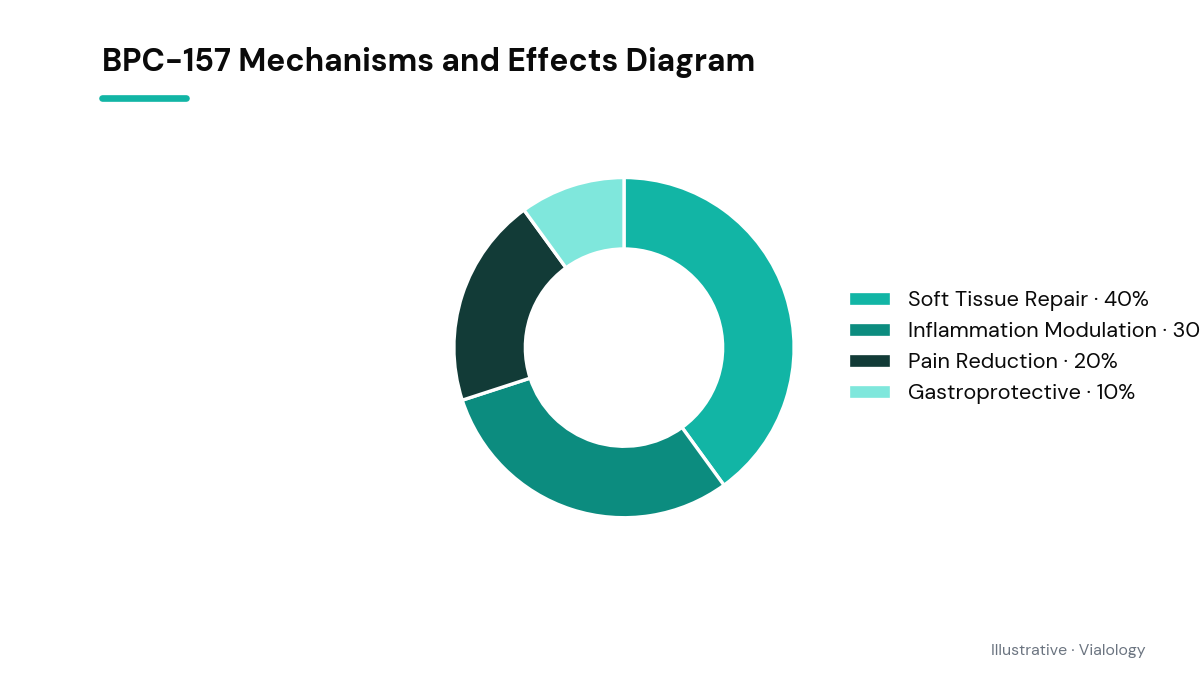
Much of the excitement surrounding BPC-157 stems from its performance in laboratory and animal models. Researchers have observed that the peptide promotes angiogenic activity—the formation of new blood vessels—which is a critical step in tissue repair. In various animal trials dating back to the late 1990s and 2000s, BPC-157 has been shown to accelerate the healing of transected Achilles tendons, damaged ligaments, and skeletal muscle. These studies suggest that the compound works by interacting with growth hormone receptors and modulating early growth response 1 (EGR-1) gene expression, which helps coordinate the cellular repair cascade.
In addition to musculoskeletal healing, BPC-157 has demonstrated a remarkable protective effect on the gastrointestinal tract in preclinical studies. Because it is naturally derived from gastric juices, researchers have evaluated its efficacy against inflammatory bowel disease (IBD) and stomach ulcers in rodents. Studies consistently show that the peptide helps maintain mucosal integrity and accelerates the repair of damaged gut lining, even when subjected to harsh NSAID-induced damage. While these animal results are highly promising, it is important to note that systematic human clinical trials validating these specific gastrointestinal outcomes remain sparse.
Analyzing BPC-157 Before and After Evidence in Animals vs. Humans
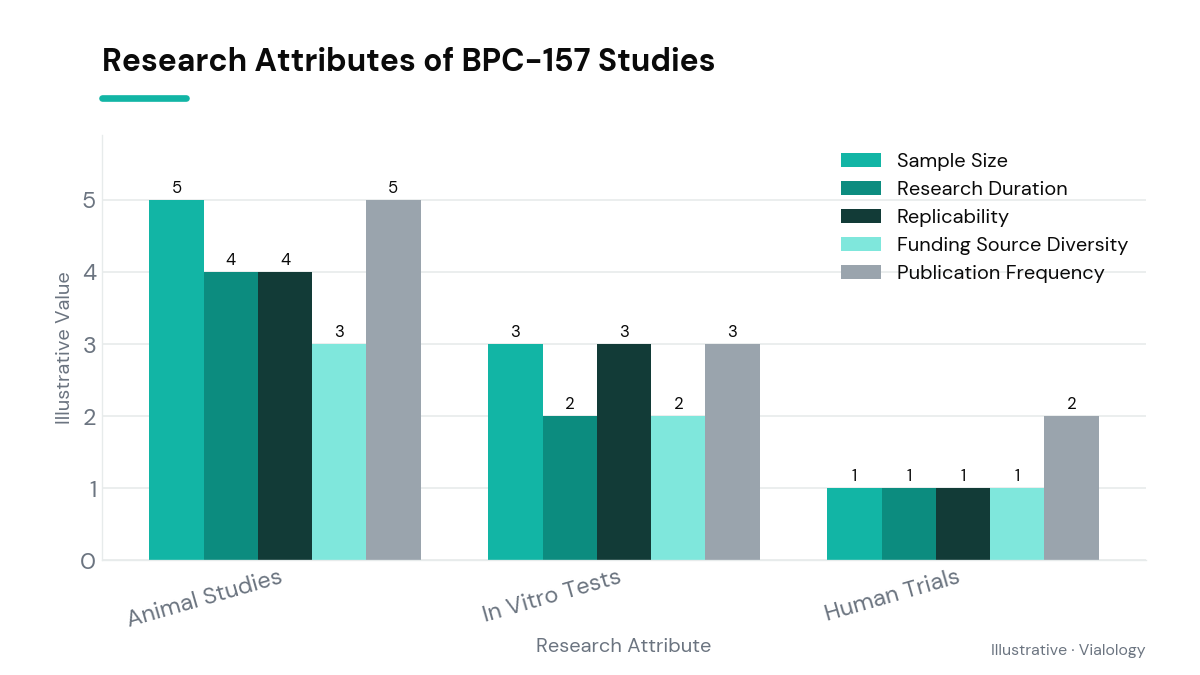
When online forums display anecdotes of rapid recoveries, they often attribute these results directly to the peptide. However, evaluating actual before and after research reveals a major gap: almost all robust empirical evidence comes from rodents, rabbits, or in vitro cell cultures. For example, a 2010 study published in the Journal of Orthopaedic Research demonstrated accelerated tendon-to-bone healing in rats, but translating these findings to human physiology involves complex biological variables that animal models cannot fully replicate.
Currently, BPC-157 is not approved by the United States Food and Drug Administration (FDA) for human use, and it is classified as a prohibited substance by the World Anti-Doping Agency (WADA) under the category of non-approved substances. While some small-scale safety trials have been conducted, large-scale, double-blind, placebo-controlled human trials—the gold standard of medical science—are virtually non-existent. This means that while the preclinical before and after metrics in lab animals are statistically significant, human outcomes remain largely theoretical and anecdotal.
Systemic Mechanisms and Soft Tissue Repair
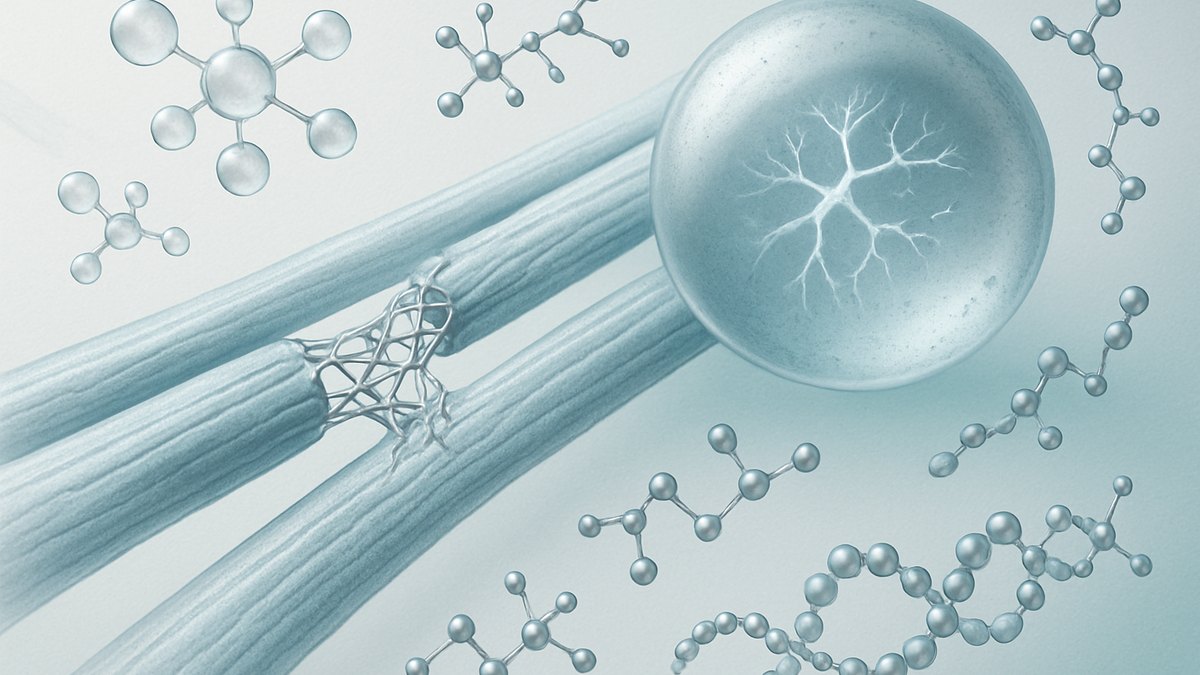
Beyond direct localized repair, researchers are highly interested in BPC-157’s systemic mechanisms. In vitro studies indicate that the peptide influences nitric oxide (NO) synthesis, which plays a pivotal role in regulating blood flow and vascular tone. By modulating NO pathways, BPC-157 may exert a protective effect on cardiovascular tissues and assist in reducing systemic inflammatory markers. This complex interaction with the vascular system is one of the reasons scientists believe the peptide displays such broad healing potential across different tissue types.
Furthermore, research suggests that BPC-157 interacts with the central nervous system. Preclinical models of brain injury and neurotoxicity have shown that the peptide may offer neuroprotective benefits, potentially helping to stabilize the blood-brain barrier and reduce neuroinflammation. Though these neurological findings are in their infancy, they highlight the multifaceted nature of the compound and why it remains a subject of intense interest in regenerative biology.
The Caveats and Limits of Current Peptide Literature
Despite the encouraging laboratory data, several critical caveats must be emphasized. In scientific literature, before and after assessments are conducted under highly controlled laboratory environments with standardized, high-purity compounds. Real-world anecdotal reports often involve uncontrolled variables, including varying purities of unsanctioned compounds, concurrent therapies, and subjective self-reporting. This makes it impossible to scientifically attribute rapid recoveries solely to BPC-157 based on peer-to-peer anecdotes.
Additionally, the long-term safety profile of BPC-157 in humans is not well-established. Because the peptide stimulates angiogenesis, some researchers raise theoretical concerns regarding its use in environments where abnormal blood vessel growth could be harmful, such as in the presence of active oncological processes. Until rigorous human safety data is published, the scientific community remains cautious, viewing BPC-157 as a highly intriguing research tool rather than a validated therapeutic option.
Related on Vialology
Frequently asked questions
What is BPC-157 primarily used for in scientific research?
In laboratory research, BPC-157 is primarily studied for its potential to accelerate the healing of soft tissues, such as tendons, ligaments, and skeletal muscle, as well as its protective effects on the gastrointestinal tract.
Has BPC-157 been approved for human use by the FDA?
No, BPC-157 is not approved by the FDA for human use and is classified as an investigational, unapproved compound, meaning it cannot legally be marketed as a drug or dietary supplement.
Are the before and after results seen online scientifically proven?
Most dramatic before and after reports online are anecdotal and lack clinical control; scientifically validated healing effects have currently only been demonstrated in animal models and in vitro studies.
Is BPC-157 allowed in competitive sports?
No, the World Anti-Doping Agency (WADA) has banned BPC-157 under its category of non-approved substances, making it illegal for use by competitive athletes.
Educational use only. Vialology publishes journalistic and educational content about peptide science. Nothing here is medical advice, diagnosis, or treatment, and nothing should be taken as an endorsement to use any substance. Many peptides discussed are experimental and are not approved by the FDA for human use. Always consult a licensed healthcare professional before making any health decision.