

While researchers have widely investigated the regenerative potential of Body Protection Compound 157, understanding the landscape of potential bpc-157 side effects remains a critical priority for the scientific community. Because this synthetic peptide is not currently approved by the FDA for human use, most of what we know about its safety profile comes from animal models and pre-clinical trials. This review synthesizes the existing laboratory literature to explore where the science stands on its safety and tolerability.
What Animal Models Reveal About BPC-157 Safety
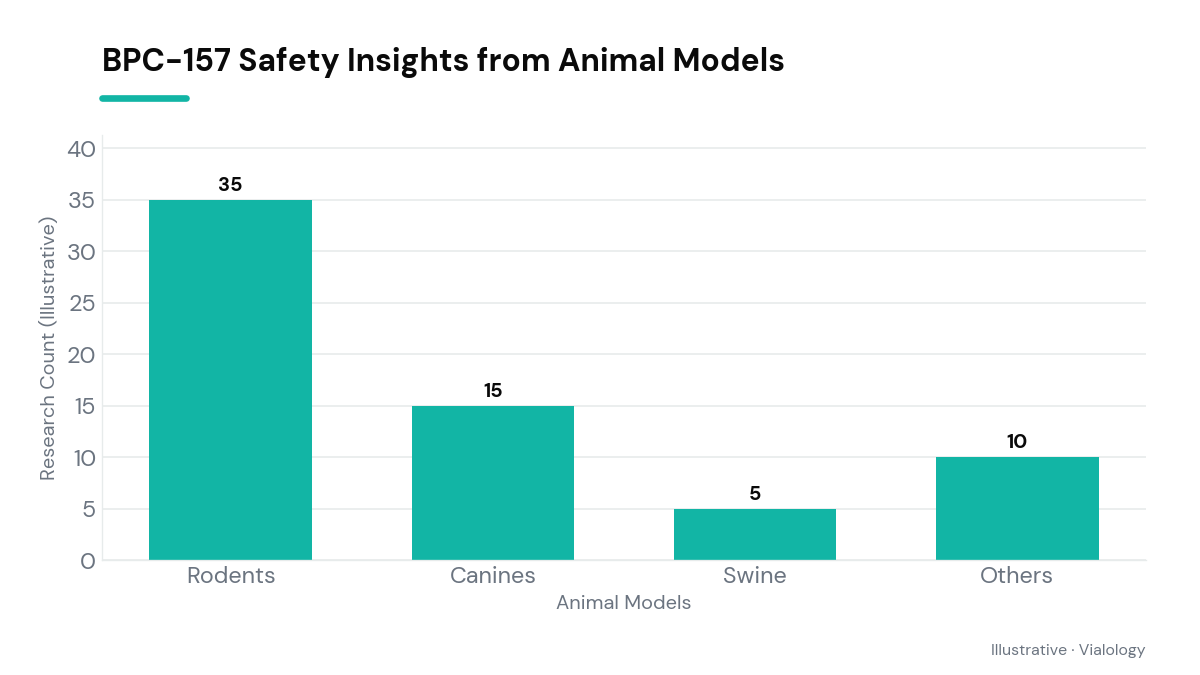
Throughout several decades of preclinical testing, researchers have scrutinized BPC-157 to evaluate its toxicity profile and physiological impact. In animal models, particularly rodent studies, the peptide has generally demonstrated a favorable safety profile with no reported lethal dose (LD50) even at highly elevated concentrations. Researchers often note that the compound, which is derived from a protein found naturally in human gastric juice, seems to be well-tolerated by mammalian systems during short-term observation periods.
However, toxicological evaluations in animal studies are inherently limited. While these trials help map out initial safety parameters, they do not perfectly replicate human metabolic pathways, immune responses, or long-term systemic interactions. Consequently, the lack of acute toxicity in rodents cannot be taken as a definitive guarantee of safety in human subjects, highlighting the need for rigorous, double-blind clinical trials.
Commonly Reported BPC-157 Side Effects in Informal Literature
Because formal, large-scale clinical trials in humans are virtually non-existent, much of the discussion surrounding human tolerability relies on anecdotal reports from the research and biohacking communities. Within these self-reported cohorts, some individuals have documented mild to moderate adverse reactions. The most frequent complaints include gastrointestinal discomfort, mild nausea, dizziness, and localized irritation or redness at the site of administration, though these reports lack the controlled environments of clinical verification.
To better contextualize these anecdotal findings, researchers often refer back to the structured safety profiles of similar synthetic peptides. As discussed in this review of peptide therapies, minor fluctuations in blood pressure, headaches, and transient fatigue are also occasionally cited by researchers monitoring peptide administration. Without standardized human trials, it remains difficult to determine whether these symptoms are directly caused by BPC-157 itself, impurities in unregulated research compounds, or unrelated physiological variables.

The Theoretical Risks of BPC-157: Angiogenesis and Tumor Growth
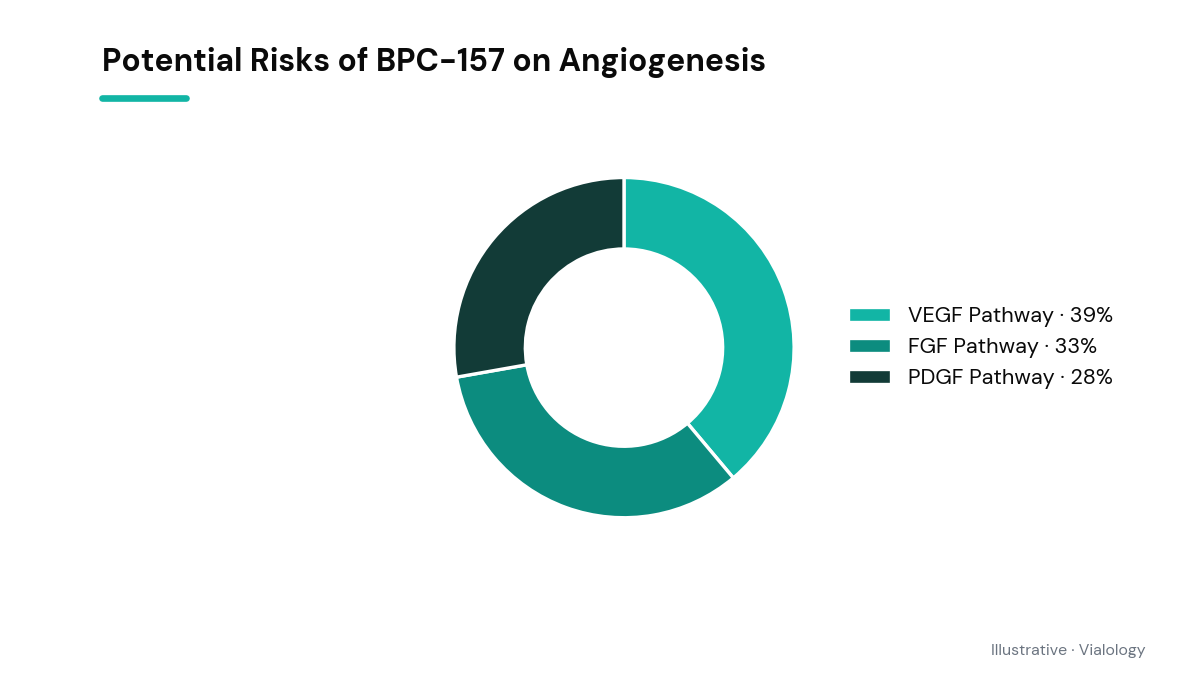
Beyond minor transient symptoms, the primary theoretical concern associated with BPC-157 involves its mechanism of action regarding angiogenesis—the formation of new blood vessels. BPC-157 is known to upregulate vascular endothelial growth factor (VEGF), which facilitates tissue healing by promoting new blood vessel growth. While highly beneficial for repairing damaged tendons or gut linings, accelerated angiogenesis presents a potential double-edged sword.
In oncology, tumor growth and metastasis are highly dependent on angiogenesis to supply cancer cells with oxygen and nutrients. Although no peer-reviewed studies have directly linked BPC-157 to the initiation of cancer, some researchers caution that its pro-angiogenic properties could theoretically accelerate the growth of existing pre-cancerous or cancerous lesions. This theoretical risk underscores why long-term oncological safety studies are necessary before any therapeutic claims can be validated.
Systemic Interactions and the Need for Rigorous Human Trials
Another area of active scientific curiosity is how BPC-157 interacts with various neurotransmitter systems. Preclinical research suggests the peptide may modulate the dopaminergic and serotonergic pathways, which has led some scientists to investigate its potential neuroprotective qualities. However, altering neurotransmitter activity always carries the theoretical risk of mood alterations, sleep disturbances, or interactions with prescription neuropsychiatric medications.
Ultimately, the scientific consensus is that while BPC-157 shows intriguing potential in preclinical models, the complete safety profile of the compound remains incomplete. Until systematic, peer-reviewed human trials are conducted to evaluate long-term safety, systemic interactions, and contraindications, the full scope of potential adverse effects cannot be definitively mapped.
Related on Vialology
Frequently asked questions
Is BPC-157 FDA-approved for human use?
No, BPC-157 is not approved by the Food and Drug Administration (FDA) for human consumption or therapeutic use, and it remains classified as an investigational research chemical.
What does preclinical research say about the toxicity of BPC-157?
In animal models, preclinical research has generally demonstrated low toxicity with no established lethal dose, though these findings have not been verified in large-scale human clinical trials.
Why are scientists concerned about BPC-157 and cancer?
Scientists raise theoretical concerns because BPC-157 promotes angiogenesis (the growth of new blood vessels), a process that could theoretically stimulate the growth of existing tumors.
Can BPC-157 interact with other medications?
Due to a lack of human clinical trials, there is currently no definitive data on how BPC-157 might interact with prescription medications or other supplements.
Educational use only. Vialology publishes journalistic and educational content about peptide science. Nothing here is medical advice, diagnosis, or treatment, and nothing should be taken as an endorsement to use any substance. Many peptides discussed are experimental and are not approved by the FDA for human use. Always consult a licensed healthcare professional before making any health decision.