

When investigating the documented effects of the synthetic peptide melanocortin agonist Melanotan II, researchers often look at “melanotan 2 before and after” physical changes in animal and early human trials. Developed in the 1980s at the University of Arizona, this compound was designed to stimulate melanin production as a potential defense against ultraviolet radiation. Today, scientific literature paints a complex picture of its physiological effects, safety profile, and regulatory standing.
The Science Behind Melanotan II and Melanin Synthesis
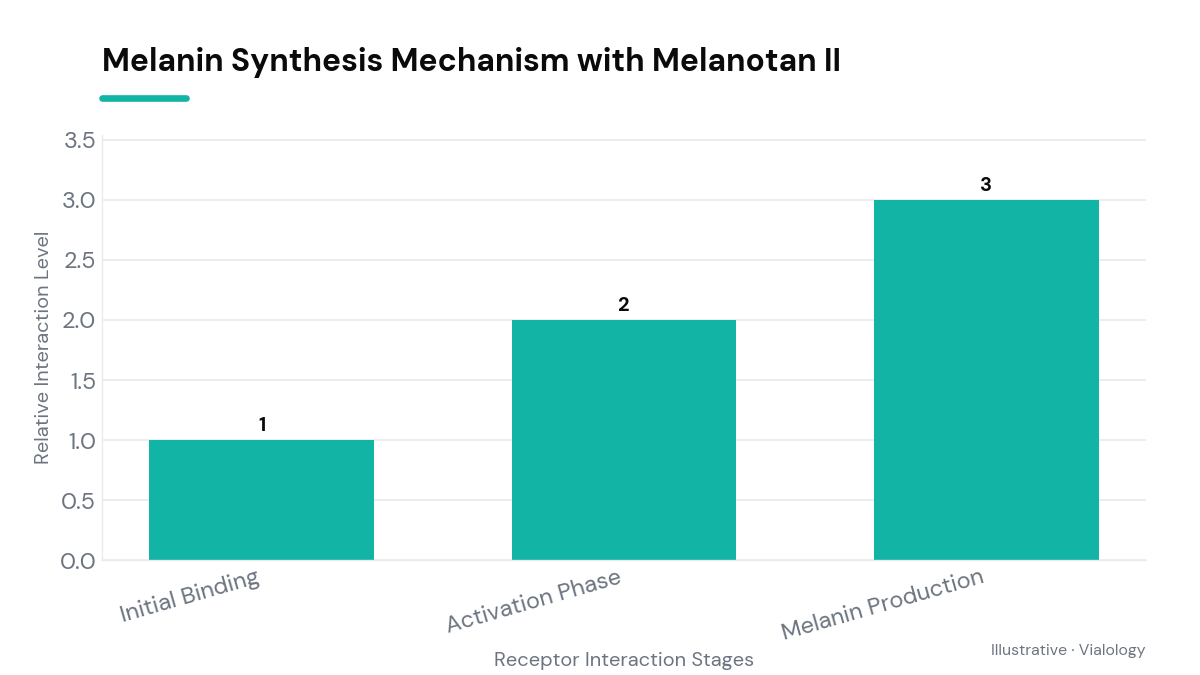
Melanotan II (MT-II) is a synthetic analog of alpha-melanocyte-stimulating hormone (a-MSH). In biological systems, it acts as a non-selective agonist of melanocortin receptors, specifically targeting MC1R, MC3R, MC4R, and MC5R. By binding to the MC1R receptor on melanocytes, the peptide triggers a signaling cascade that stimulates the production of eumelanin, the dark pigment responsible for skin, hair, and eye coloration. This mechanism mimics the body’s natural response to UV exposure but bypasses the need for UV-induced DNA damage to initiate pigmentation.
Early clinical trials in the 1990s and 2000s explored how this mechanism could potentially reduce skin cancer risk by inducing photoprotective pigmentation. Researchers documented distinct changes in skin pigmentation index and melanin density. While early results showed increased pigmentation even without UV exposure, the systemic nature of the peptide also triggered off-target effects due to its interaction with other melanocortin receptors throughout the body, complicating its therapeutic development.
Documented Melanotan 2 Before and After Physiological Effects
In laboratory settings, the physiological “before and after” shifts observed in subjects administered Melanotan II extend beyond simple skin darkening. Because MT-II crosses the blood-brain barrier and activates central melanocortin receptors (specifically MC4R), it significantly influences energy homeostasis, appetite, and sexual function. Animal models consistently demonstrate a reduction in food intake and body fat, suggesting a regulatory role in metabolic rate.
Furthermore, researchers documented unexpected outcomes during early human safety studies, including spontaneous penile erections in male subjects. This occurred via central nervous system pathways rather than local vascular pathways, leading to separate investigations into melanocortin-based therapies for erectile dysfunction. For those interested in reviewing the raw clinical data and history of these studies, a detailed compilation is available via before and after research databases.

Safety Profiles, Side Effects, and Regulatory Status
Despite the documented cosmetic and physiological changes, Melanotan II is not approved by the US Food and Drug Administration (FDA) or other major global regulatory agencies for human use. Clinical literature has highlighted several significant side effects and safety concerns. Short-term side effects frequently reported in studies include severe nausea, facial flushing, decreased appetite, stretching, and yawning. More concerning to dermatologists are reports of rapid changes in moles, atypical melanocytic nevi, and potentially melanoma, though a direct causal link remains a subject of ongoing epidemiological study.
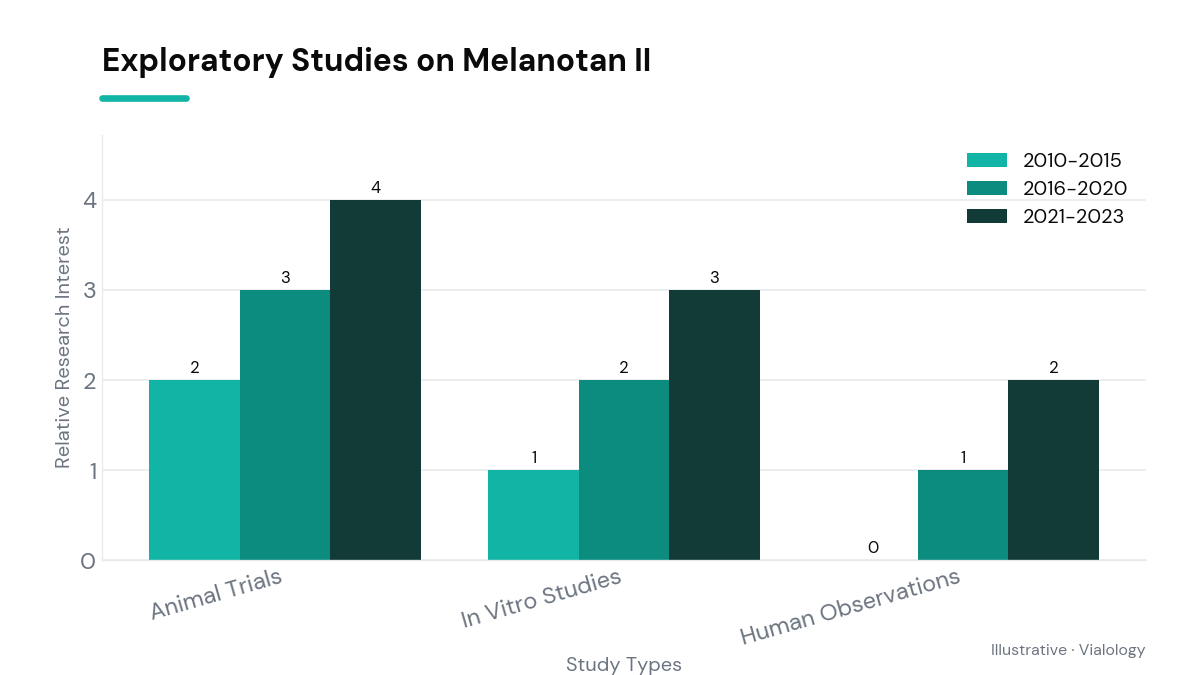
Because the compound lacks regulatory approval, the majority of clinical knowledge comes from historic trials or self-reported observational data from unregulated usage. Regulatory bodies regularly issue warnings regarding the purity, sterility, and identity of unapproved peptide products acquired outside clinical channels. This underscores the importance of viewing MT-II strictly as an unapproved research chemical rather than a validated therapeutic option.
Current Directions in Melanocortin Research
While Melanotan II itself remains unapproved for therapeutic use due to its non-selective receptor binding and side-effect profile, its development paved the way for more selective melanocortin receptor agonists. For example, Afamelanotide (Melanotan I), a more selective MC1R agonist, received FDA approval for treating phototoxicity in patients with erythropoietic protoporphyria. This demonstrates how early research into broad-acting peptides can successfully lead to highly targeted, clinically approved therapies.
Modern researchers continue to study the melanocortin system to better understand obesity, sexual dysfunction, and inflammatory disorders. Melanotan II remains a valuable reference compound in laboratory assays, helping scientists map the precise roles of different receptor subtypes in complex physiological networks.
Related on Vialology
Frequently asked questions
What is Melanotan II?
Melanotan II is a synthetic peptide analog of alpha-melanocyte-stimulating hormone that acts as a non-selective melanocortin receptor agonist, primarily studied for its effects on skin pigmentation, appetite, and sexual function.
Is Melanotan II approved for human use?
No, Melanotan II is not approved by the FDA or any other major global regulatory agency for human use due to safety concerns and a lack of comprehensive clinical trial data.
What side effects have researchers documented with Melanotan II?
Documented side effects in scientific literature include nausea, facial flushing, decreased appetite, yawning, and potential changes in the size, color, or shape of moles.
How does Melanotan II differ from Melanotan I?
Melanotan I is a more selective agonist targeting the MC1 receptor and is FDA-approved under the generic name afamelanotide for specific medical conditions, whereas Melanotan II is non-selective, targets multiple receptors, and remains unapproved.
Educational use only. Vialology publishes journalistic and educational content about peptide science. Nothing here is medical advice, diagnosis, or treatment, and nothing should be taken as an endorsement to use any substance. Many peptides discussed are experimental and are not approved by the FDA for human use. Always consult a licensed healthcare professional before making any health decision.