

As clinical interest in synthetic regulatory peptides grows, identifying a standardized selank dosage reference remains a key focus of modern neuropharmacological research. Developed by the Institute of Molecular Genetics at the Russian Academy of Sciences, this synthetic heptapeptide is modeled after the naturally occurring immunomodulatory peptide tuftsin. Researchers worldwide study its effects on anxiety, cognitive function, and cellular pathways, primarily through the lens of animal models and limited clinical literature.
Understanding Selank and Its Mechanism of Action
Selank is a synthetic analog of the endogenous tetrapeptide tuftsin, modified with a Gly-Pro-Leu-Pro sequence at its C-terminus to enhance its enzymatic stability and prolong its half-life in the bloodstream. In preclinical environments, researchers have observed that Selank influences the central nervous system by modulating the metabolism of monoamine neurotransmitters, including serotonin, and interacting with the brain’s GABAergic system. By enhancing GABA neurotransmission, the peptide is hypothesized to exert anxiolytic-like effects without the typical sedative properties associated with classical GABA-A receptor agonists.
Unlike standard pharmaceutical agents, Selank is not currently approved by the U.S. Food and Drug Administration (FDA) for clinical use in the United States, meaning there is no established consensus on human administration within Western medicine. Instead, scientific literature relies on early pilot clinical trials and observational studies conducted primarily in Eastern Europe, where the compound has a history of regulatory approval for specific neuropsychiatric indications.
What the Literature Shows: Selank Dosage in Historical Trials
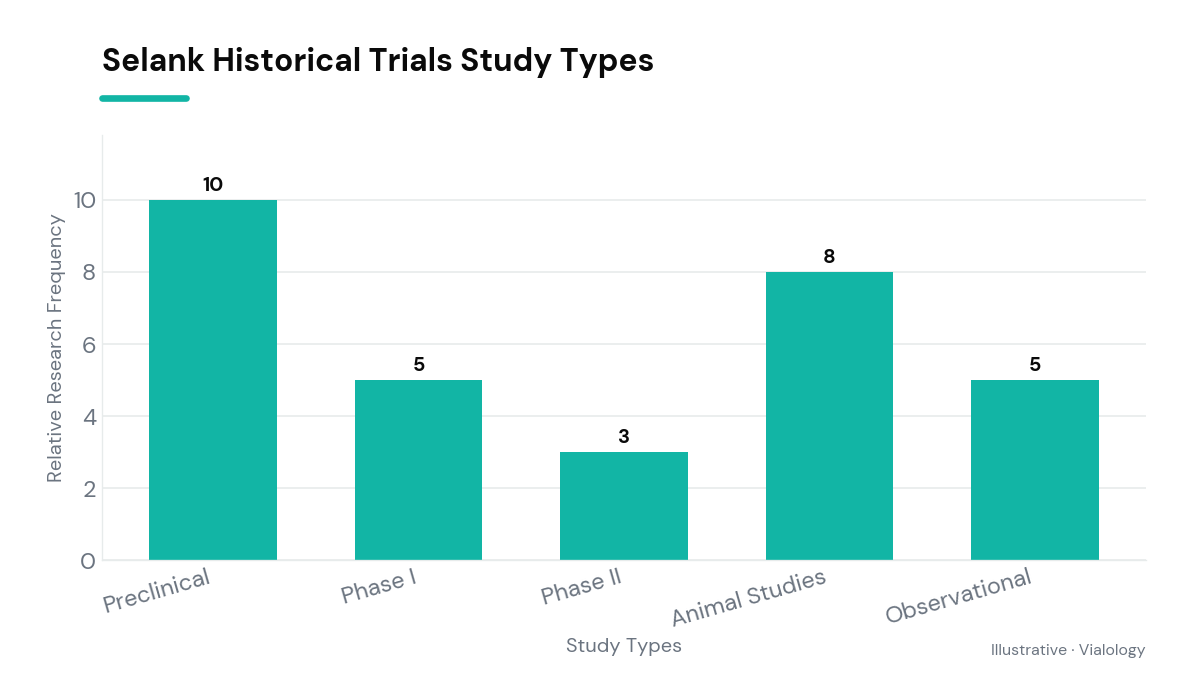
In historical clinical trials dating back to the late 1990s and early 2000s, researchers in Russia evaluated the peptide’s efficacy in patients diagnosed with generalized anxiety disorder and neurasthenia. These human studies typically utilized a nasal spray formulation, administering daily amounts ranging from 150 micrograms to 900 micrograms. This daily total was generally divided into multiple smaller applications throughout the day, spanning a treatment course of 10 to 14 days. Investigators reported that these protocols provided notable anxiolytic benefits comparable to low-dose benzodiazepines, but notably lacked the side effects of psychomotor retardation, memory impairment, or physical dependence.
It is essential to clarify that these early clinical trials were relatively small-scale and did not undergo the multi-phase, large-cohort global clinical trial pipeline required by modern regulatory agencies like the FDA or the European Medicines Agency (EMA). Consequently, while these historical figures provide valuable context for how researchers structured initial human trials, they represent experimental data points rather than validated clinical guidelines for the general public.

Preclinical Research Models and In Vivo Studies
In laboratory settings, particularly when working with rodent models of anxiety and depression, scientists analyze the pharmacokinetics and pharmacodynamics of the peptide using subcutaneous or intraperitoneal injections. Animal studies have frequently utilized weight-dependent doses ranging from 100 mcg/kg to 300 mcg/kg to observe changes in exploratory behavior and neurotransmitter levels. These preclinical investigations help map out how the peptide interacts with brain-derived neurotrophic factor (BDNF) and alters mRNA expression in the hippocampus, offering clues to its potential long-term neuroprotective effects.
Translating these animal metrics to human equivalents requires complex mathematical scaling, and scientists caution against direct extrapolation. The significant variance in metabolic rates and receptor density between rodents and humans means that preclinical data serves solely to elucidate biological pathways rather than define safe human exposure thresholds.
Safety Profile and Ongoing Scientific Questions
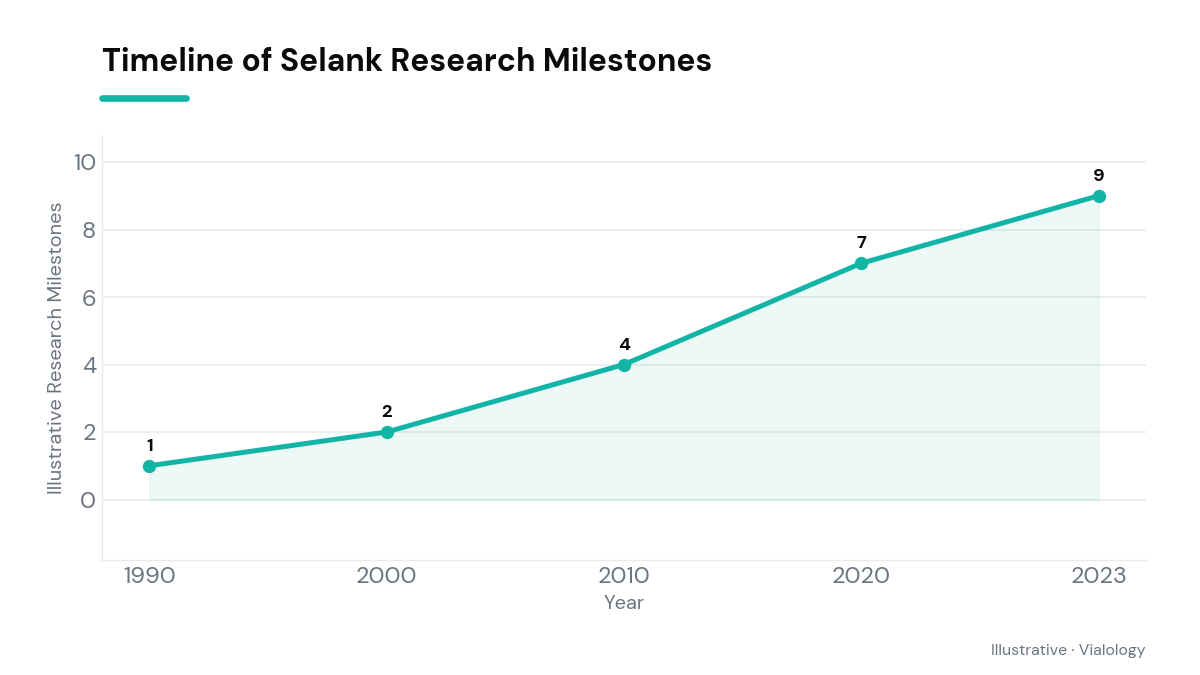
Overall, the published literature indicates a favorable safety profile for Selank within controlled experimental parameters, noting a lack of severe adverse events, habituation, or withdrawal symptoms. However, long-term toxicological studies remain sparse, leaving unanswered questions regarding prolonged exposure or potential interactions with other neuromodulating compounds. Because Selank remains an investigational compound in most global jurisdictions, its research is largely restricted to laboratory contexts.
Scholars continue to advocate for larger, double-blind, placebo-controlled trials to definitively establish its safety, efficacy, and pharmacological profile across diverse populations. Until such rigorous clinical validation occurs, the biological effects of this tuftsin analog will remain a subject of active laboratory interest rather than established medical practice.
Related on Vialology
Frequently asked questions
Is Selank approved by the FDA?
No, Selank is not approved by the U.S. Food and Drug Administration (FDA) for any therapeutic use, and it remains classified as an investigational compound.
What is the primary medical use of Selank in Russia?
In Russia, Selank is registered as a prescription pharmaceutical utilized primarily for its anxiolytic and selective nootropic properties.
How does Selank differ from traditional anxiety medications?
Research indicates that Selank modulates neurotransmitter systems without causing the sedation, muscle relaxation, or cognitive impairment typically associated with benzodiazepines.
Educational use only. Vialology publishes journalistic and educational content about peptide science. Nothing here is medical advice, diagnosis, or treatment, and nothing should be taken as an endorsement to use any substance. Many peptides discussed are experimental and are not approved by the FDA for human use. Always consult a licensed healthcare professional before making any health decision.