
As clinical interest in dual GIP and GLP-1 receptor agonists grows, understanding the spectrum of tirzepatide side effects has become a central focus for researchers and clinicians alike. This novel peptide, which mimics two natural gut hormones to regulate metabolic processes, has demonstrated significant efficacy in large-scale clinical trials. However, analyzing its tolerability profile is essential to understanding its broader therapeutic landscape in clinical science.
Gastrointestinal Profiles and Tirzepatide Side Effects
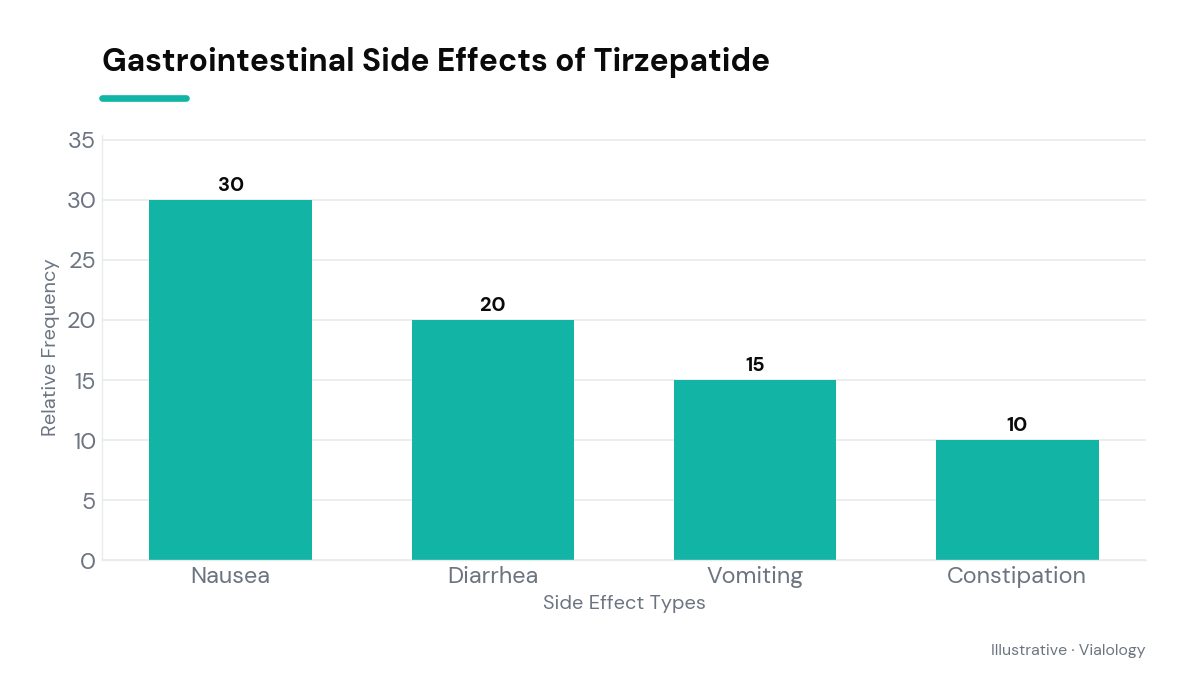
In large-scale clinical programs like the SURPASS and SURMOUNT trials, gastrointestinal events emerged as the most frequently reported tirzepatide side effects. Researchers noted that symptoms such as nausea, diarrhea, decreased appetite, and vomiting were typically mild-to-moderate in severity. These reactions were most prevalent during the initial escalation phase, suggesting that the body’s rate of adaptation to dual-receptor stimulation plays a key role in tolerability, especially as the dose is gradually adjusted over several weeks.
Data from a 2021 phase 3 trial indicated that while a significant portion of participants experienced transient digestive changes, the discontinuation rate due to these adverse events remained relatively low. Researchers often attribute these gastrointestinal responses to delayed gastric emptying, a primary pharmacological mechanism of GLP-1 receptor activation that slows down the movement of food through the digestive tract.
Investigating Rare and Severe Adverse Events
Beyond common digestive complaints, clinical investigators have closely monitored more serious potential risks associated with dual-receptor agonists. In rodent models, researchers identified a potential risk of thyroid C-cell tumors, though human clinical trials have not established a direct causal link. For a deeper dive into the molecular pathways and safety profiles documented in peer-reviewed publications, researchers often consult Frontier’s Tirzepatide research to analyze the comparative data.
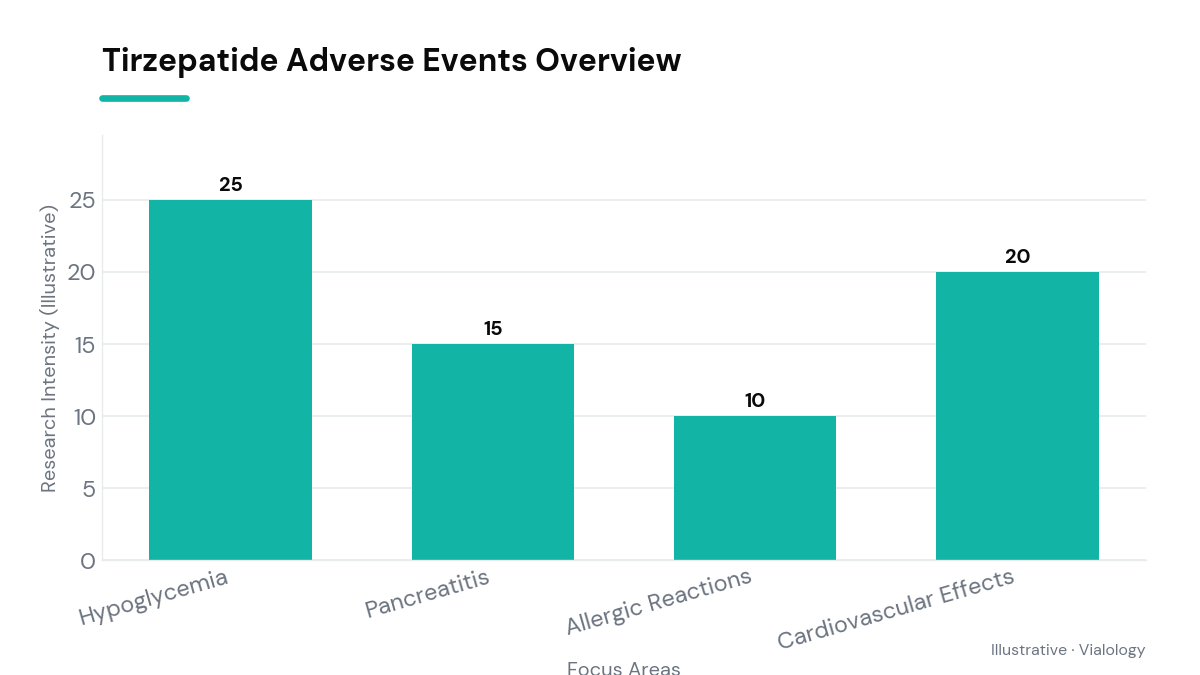
Other rare but serious safety signals observed in clinical cohorts include acute pancreatitis, gallbladder disease, and acute kidney injury, the latter often secondary to severe dehydration from gastrointestinal symptoms. While these events occur in a very small percentage of trial subjects, they represent critical safety parameters that researchers continue to evaluate in long-term observational studies.

Hypoglycemia Risk and Glucose Regulation
Because tirzepatide enhances glucose-dependent insulin secretion, the inherent risk of hypoglycemia (critically low blood sugar) is a key safety parameter in clinical assessments. Studies show that when evaluated as a monotherapy, the peptide carries a very low risk of causing hypoglycemic events. This is largely because its dual-agonist mechanism is highly glucose-dependent, stimulating insulin release and suppressing glucagon secretion primarily when circulating glucose levels are elevated.
However, the risk profiles shift significantly when the compound is administered alongside insulin secretagogues or exogenous insulin. In these combination settings, clinical trials documented higher rates of hypoglycemia, highlighting the complex metabolic interactions that occur when multiple glucose-lowering mechanisms are active simultaneously.
Localized and Systemic Tolerability Factors
Beyond metabolic and digestive effects, clinical literature also documents localized injection site reactions. These typically present as mild erythema, pruritus, or pain at the administration site, affecting a small percentage of trial participants. Most of these localized cutaneous reactions were transient and resolved spontaneously without requiring intervention or study discontinuation.
Immunogenicity is another area of active scientific study. Some participants in clinical trials developed anti-drug antibodies to tirzepatide; however, researchers noted that the presence of these antibodies generally did not impact the compound’s efficacy or lead to a higher incidence of hypersensitivity reactions.
Related on Vialology
Frequently asked questions
What are the most common side effects associated with tirzepatide in research?
Clinical research indicates that gastrointestinal issues, including nausea, diarrhea, decreased appetite, vomiting, and constipation, are the most frequently reported side effects.
Does the severity of tirzepatide side effects change over time?
Yes, clinical trials show that most side effects are mild-to-moderate and tend to occur primarily during the early stages of administration or during dose-escalation phases before gradually subsiding.
Are there any long-term safety concerns being monitored in clinical studies?
Researchers are continuing to monitor rare but serious potential risks, such as pancreatitis, gallbladder disease, and thyroid C-cell pathology, which have been flagged in animal models and clinical surveillance.
Educational use only. Vialology publishes journalistic and educational content about peptide science. Nothing here is medical advice, diagnosis, or treatment, and nothing should be taken as an endorsement to use any substance. Many peptides discussed are experimental and are not approved by the FDA for human use. Always consult a licensed healthcare professional before making any health decision.