
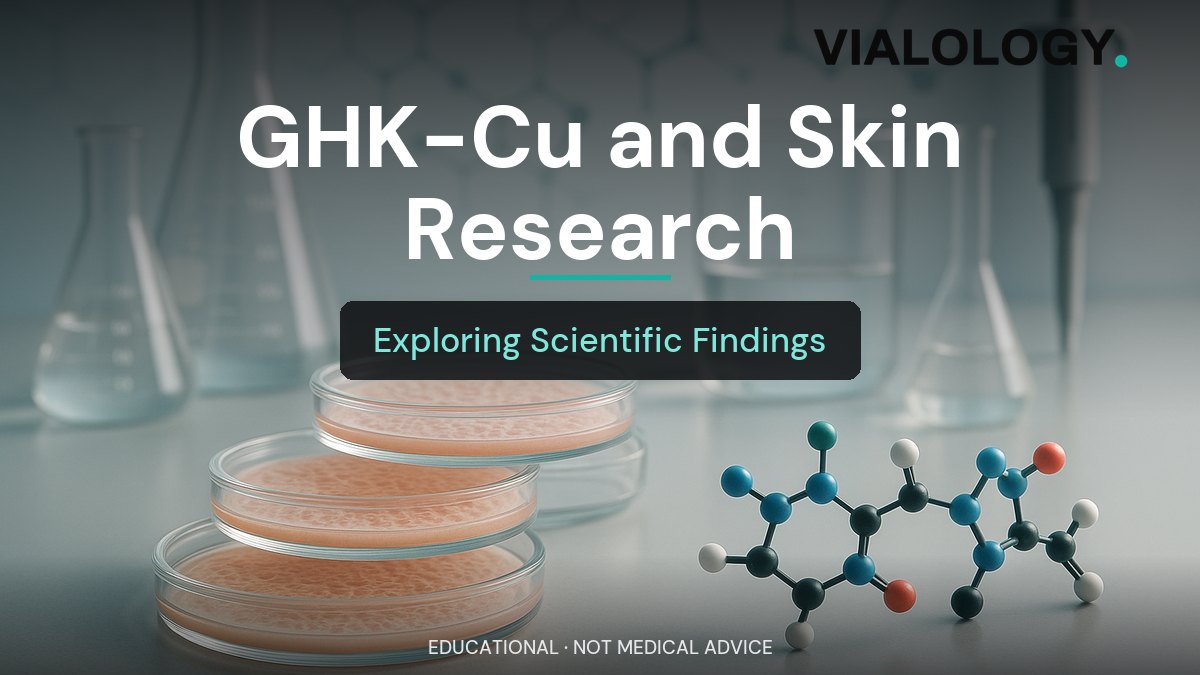
Scientific interest in the therapeutic potential of copper peptides has surged, with researchers frequently examining the broad range of ghk-cu benefits for tissue regeneration and cellular health. Originally isolated from human plasma in 1973, this naturally occurring tripeptide possesses a high affinity for copper ions, forming a complex that plays a critical role in human biology. While widely recognized in the cosmetic industry, contemporary research is actively exploring its applications far beyond basic skincare, delving into its systemic wound healing and anti-inflammatory properties.
The Molecular Mechanisms Behind GHK-Cu Benefits
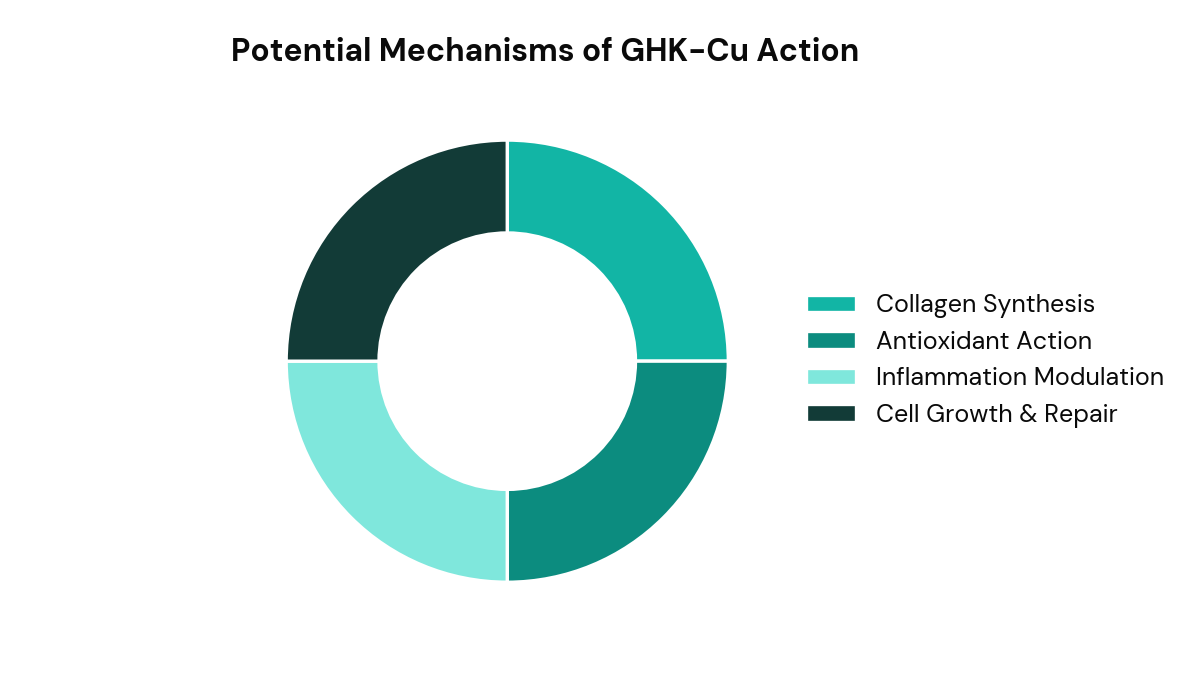
To understand how the GHK-Cu complex operates, researchers focus on its unique ability to modulate gene expression. A seminal study analyzing genomic databases suggested that GHK can influence the expression of over 4,000 human genes, essentially resetting them to a healthier, more youthful state. By upregulating genes responsible for antioxidant enzymes and downregulating those associated with pro-inflammatory cytokines, the peptide helps establish a cellular environment optimized for recovery and defense against oxidative stress.
Furthermore, GHK-Cu serves as a crucial transporter, safely delivering copper ions to cells that require them for vital enzymatic processes. Copper is a co-factor for several key enzymes, including superoxide dismutase, which neutralizes free radicals, and lysyl oxidase, which cross-links collagen and elastin. This intricate transport mechanism ensures that tissues undergoing repair receive the necessary building blocks to rebuild their structural integrity. For a comprehensive look at these cellular pathways, researchers often reference a detailed GHK-Cu research overview detailing these enzymatic interactions.
Accelerating Wound Healing and Tissue Repair
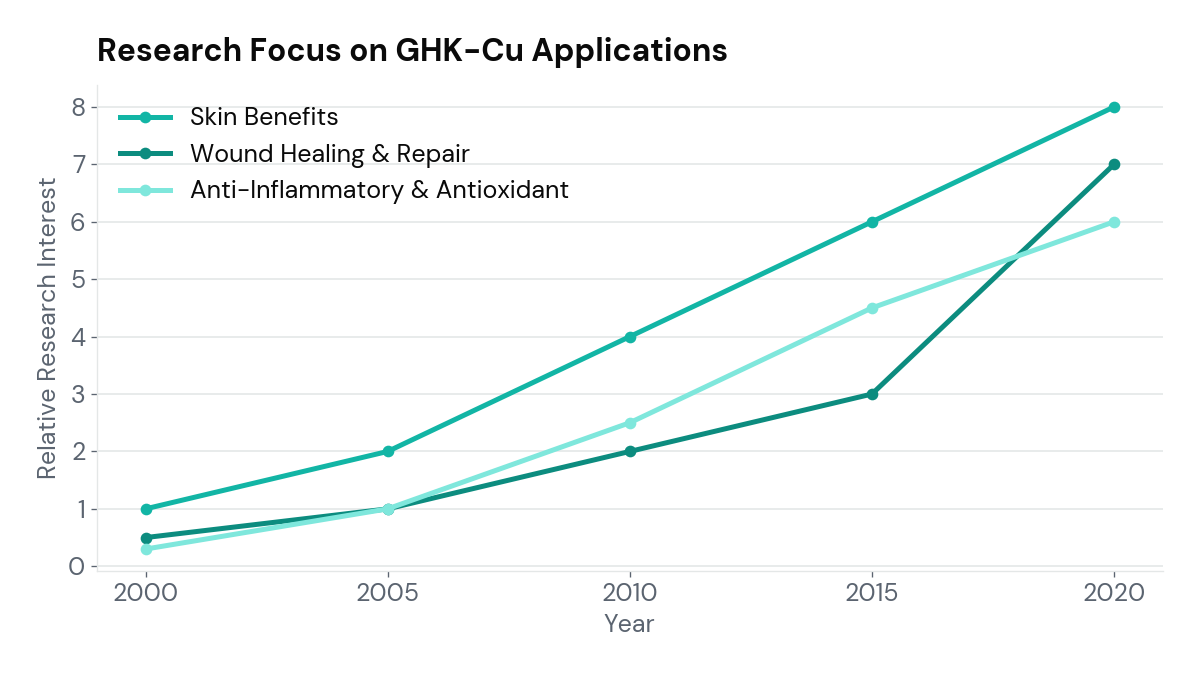
Beyond surface-level cosmetics, the regenerative properties of GHK-Cu have been heavily investigated in the context of wound healing. Animal models have consistently shown that systemic or topical administration of the copper peptide can accelerate the closure of complex wounds, such as diabetic ulcers and surgical incisions. It achieves this by stimulating the chemoattraction of inflammatory cells to the injury site, promoting angiogenesis—the formation of new blood vessels—and increasing the synthesis of decorin, collagen, and glycosaminoglycans.
This multi-faceted approach to tissue remodeling is particularly promising because it appears to minimize scar tissue formation. Rather than promoting chaotic collagen deposition, GHK-Cu helps orchestrate a structured extracellular matrix, mirroring the natural healing cascade of young, healthy tissue. While these outcomes are highly encouraging in pre-clinical models, further large-scale human clinical trials are required to fully understand the efficacy and safety profile of the compound in diverse therapeutic settings.
Investigating Anti-Inflammatory and Antioxidant Actions
Chronic inflammation and oxidative stress are major drivers of tissue degeneration and delayed recovery. Researchers studying GHK-Cu have noted its capacity to exert powerful anti-inflammatory effects by suppressing key mediators of the inflammatory response. In vitro studies demonstrate that the peptide decreases the production of interleukin-6 (IL-6) and tumor necrosis factor-alpha (TNF-alpha), two primary signaling proteins that perpetuate localized and systemic inflammation.
Simultaneously, GHK-Cu enhances the body’s endogenous antioxidant defenses. By boosting levels of superoxide dismutase and blocking iron-induced lipid peroxidation, the peptide protects delicate cell membranes from damage. This dual action—damping down overactive inflammatory pathways while shielding cells from oxidative insults—makes GHK-Cu a subject of intense study for systemic recovery, neuroprotection, and lung tissue preservation in acute injury models.
Related on Vialology
Frequently asked questions
What is GHK-Cu and how does it occur naturally?
GHK-Cu is a naturally occurring copper peptide complex first isolated from human plasma, consisting of the tripeptide glycyl-L-histidyl-L-lysine bound to a copper ion.
Is GHK-Cu approved by the FDA for therapeutic use?
While widely used in cosmetic formulations, GHK-Cu is not currently FDA-approved as a medical treatment or prescription drug for systemic health conditions.
What does scientific research suggest about its safety?
Research indicates that GHK-Cu is generally well-tolerated due to its status as an endogenous compound, though long-term safety profiles in humans require more robust clinical investigation.
How does GHK-Cu differ from regular copper supplements?
Unlike dietary copper, GHK-Cu is a highly specific peptide carrier complex designed to target cellular gene expression and safely transport copper to localized tissues in need of repair.
Educational use only. Vialology publishes journalistic and educational content about peptide science. Nothing here is medical advice, diagnosis, or treatment, and nothing should be taken as an endorsement to use any substance. Many peptides discussed are experimental and are not approved by the FDA for human use. Always consult a licensed healthcare professional before making any health decision.