
Analyzing the clinical development of new metabolic therapies requires a close look at how researchers determine the optimal orforglipron dosage in clinical trials. As a novel, non-peptide oral GLP-1 receptor agonist, this investigational compound represents a significant shift in how endocrine research is conducted. By examining current scientific literature, we can understand the structured protocols researchers use to study this molecule’s potential.
The Science of Non-Peptide GLP-1 Agonists
Traditional GLP-1 receptor agonists like semaglutide and liraglutide are peptide-based molecules. Because the human digestive system naturally breaks down peptides, these medications have historically required subcutaneous injections or specialized absorption enhancers to remain effective. Orforglipron (code-named LY3502036) represents a new class of therapeutics: it is a non-peptide, small-molecule GLP-1 receptor agonist. Because it is not a peptide, it does not degrade in the gastrointestinal tract, allowing for straightforward daily oral administration without the need for complex protective coatings.
This chemical distinction is crucial for understanding how the compound interacts with the body. While peptide-based oral options require strict fasting protocols to ensure adequate absorption, small molecules like orforglipron can be absorbed more reliably. Researchers are keenly interested in how this high oral bioavailability translates to clinical outcomes, leading to highly structured trial designs to monitor its pharmacokinetics and tolerability in human cohorts.
Orforglipron Dosage Models in Phase 2 Trials
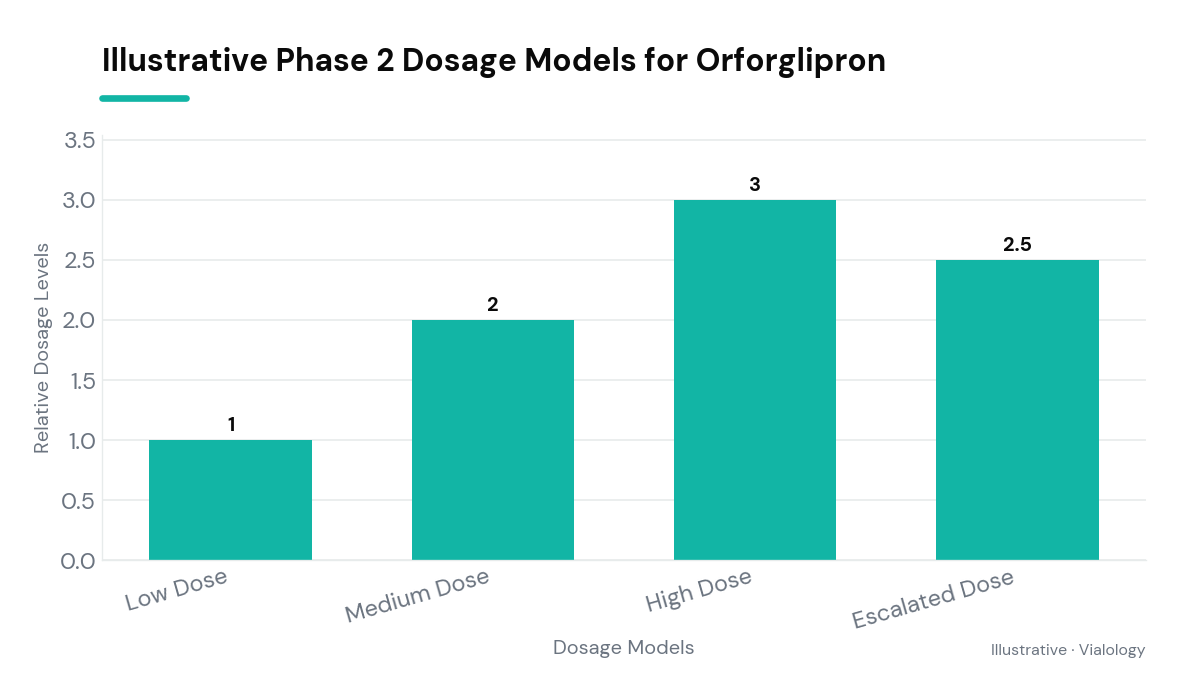
In a landmark Phase 2 randomized clinical trial published in the New England Journal of Medicine in 2023, researchers evaluated several distinct cohort groups to find the optimal therapeutic window. When evaluating how these clinical trials are structured, looking at early dosage protocols reveals how scientists determine the optimal balance between efficacy and tolerability. The trial tested daily oral doses of orforglipron ranging from 2 mg up to 45 mg over a period of 26 to 36 weeks in adults with obesity or overweight.
The data from this 2023 study indicated a clear dose-dependent relationship regarding both weight loss and glycemic control. Participants randomized to the higher daily cohorts—specifically those receiving 36 mg and 45 mg—showed the most significant changes in body weight. However, these higher doses also corresponded with a higher frequency of gastrointestinal side effects, highlighting the necessity of careful dose escalation.

Mitigating Side Effects Through Slow Escalation
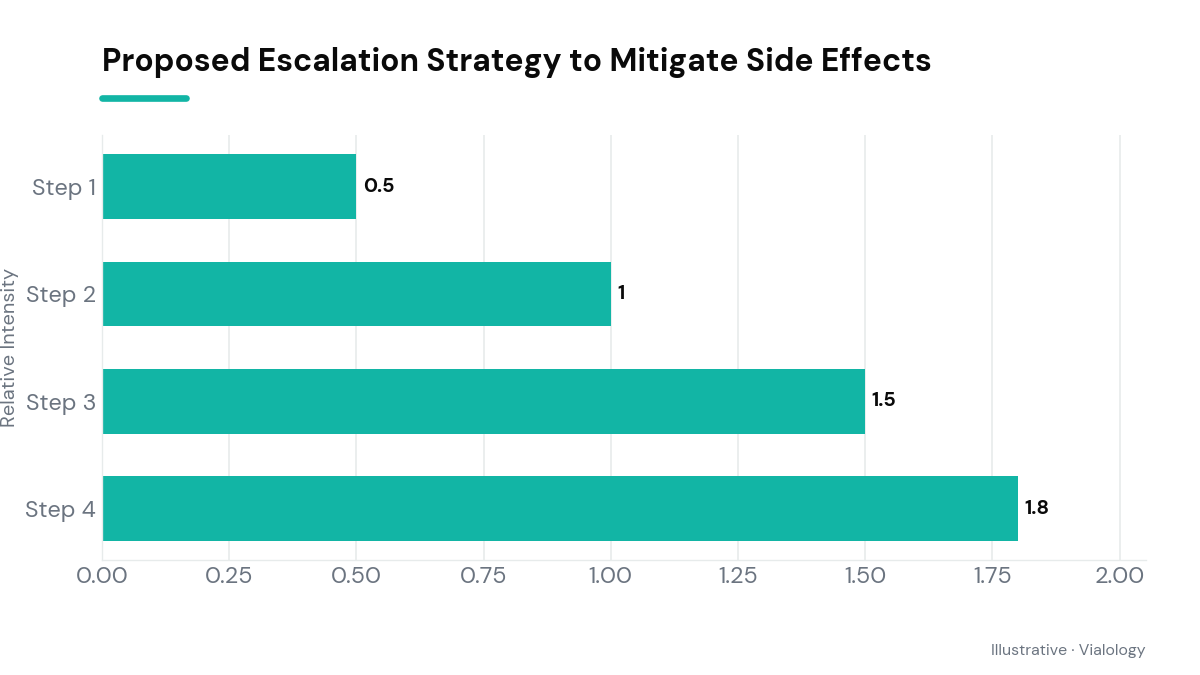
To counter the gastrointestinal adverse events typical of GLP-1 receptor agonists, clinical trials utilize a highly structured titration schedule. Instead of starting trial participants immediately on a target orforglipron dosage, researchers slowly increase the amount over several weeks. For example, in the Phase 2 protocols, participants targeting a final daily dose of 36 mg or 45 mg were started on introductory doses as low as 2 mg or 3 mg, gradually stepping up the quantity at specific intervals.
Clinical researchers observed that slower escalation schedules significantly improved patient adherence and minimized severe nausea and vomiting. By giving the gastrointestinal tract more time to adapt to the presence of the small-molecule agonist, investigators were able to successfully maintain participants on higher, more effective therapeutic levels. These findings have heavily influenced the design of current global Phase 3 trials.
Current Status and Future Directions for Orforglipron Research
Orforglipron is currently being evaluated in a comprehensive suite of Phase 3 clinical trials known as the ATTAIN program. These trials are designed to further validate the safety, efficacy, and optimal dosing parameters across larger, more diverse patient populations, including those with type 2 diabetes and chronic cardiovascular risks. As of 2024, the compound remains investigational and has not yet received approval from the FDA or European Medicines Agency for commercial distribution.
While the preliminary clinical trial data is highly encouraging for the field of metabolic research, scientists emphasize that orforglipron is not available for public use or prescription. Continued monitoring of long-term cardiovascular safety and liver tolerability is ongoing, and final results from the ATTAIN program will ultimately determine whether this oral small-molecule agonist becomes a standard tool in future endocrine medicine.
Related on Vialology
Frequently asked questions
Is orforglipron currently approved by the FDA?
No, orforglipron is an investigational drug that is currently undergoing Phase 3 clinical trials and has not yet received FDA approval for public use or prescription.
How does orforglipron differ from oral semaglutide?
Unlike oral semaglutide, which is a peptide requiring an absorption enhancer to survive digestion, orforglipron is a small-molecule agonist designed with high intrinsic bioavailability that does not degrade in the stomach.
What side effects are associated with higher orforglipron doses in research?
The most common side effects observed in clinical trials are gastrointestinal, such as mild-to-moderate nausea, vomiting, and diarrhea, which researchers attempt to mitigate through structured dose escalation.
Educational use only. Vialology publishes journalistic and educational content about peptide science. Nothing here is medical advice, diagnosis, or treatment, and nothing should be taken as an endorsement to use any substance. Many peptides discussed are experimental and are not approved by the FDA for human use. Always consult a licensed healthcare professional before making any health decision.