

When designing preclinical studies, ensuring Batch-to-Batch Consistency in Peptide Manufacturing: What Researchers Should Verify is a fundamental pillar of scientific validity. Without reproducible chemical formulations, investigators risk generating skewed experimental data that cannot be replicated. Consequently, understanding the parameters of rigorous synthesis and quality control has become a paramount concern for researchers globally.
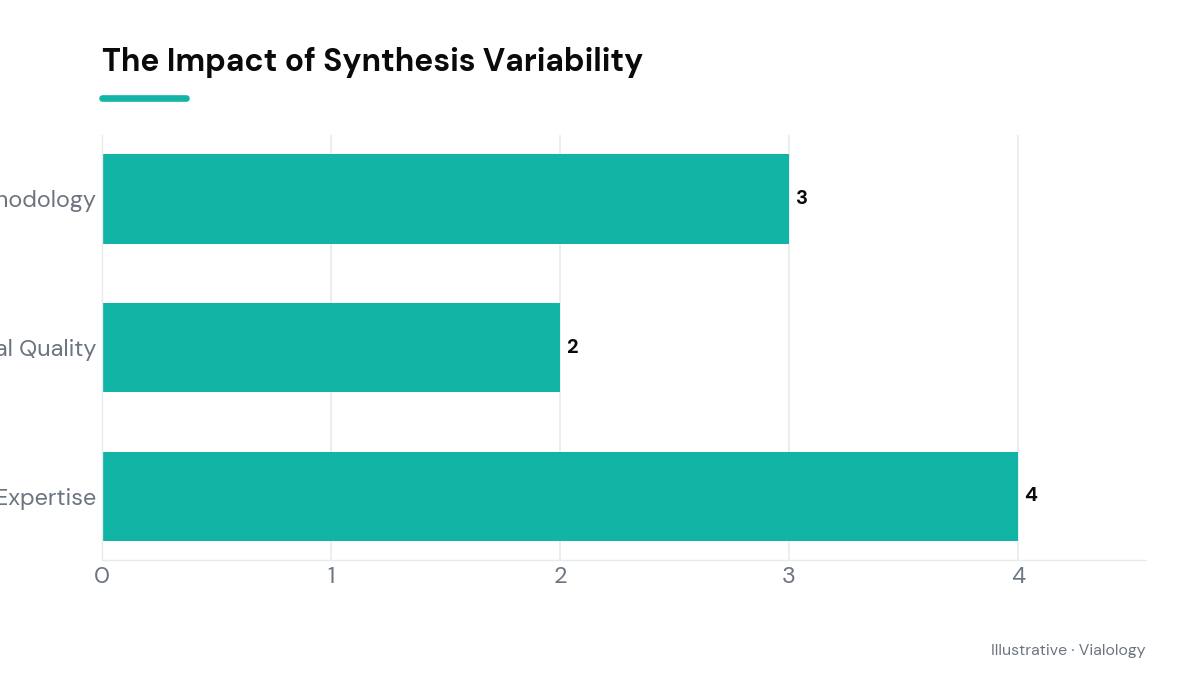
The Impact of Synthesis Variability on Experimental Data
In the realm of laboratory research, the precision of a molecule’s structure dictates its biological activity. Solid-phase peptide synthesis (SPPS) has revolutionized how researchers obtain custom peptides, yet the process is inherently complex. Subtle shifts in temperature, amino acid coupling times, or the age of reagents can introduce minor impurities, such as truncated sequences or incomplete deprotection, into the final product.
When successive shipments of a peptide exhibit even minor structural or purity variations, the downstream experimental results can fluctuate wildly. In cell culture models, a batch containing higher levels of synthesis byproducts may induce unexpected cytotoxicity or altered receptor-binding affinity, leading to false positives or irreproducible data. This makes uniform manufacturing standards crucial for translating early-stage laboratory findings into reliable scientific literature.
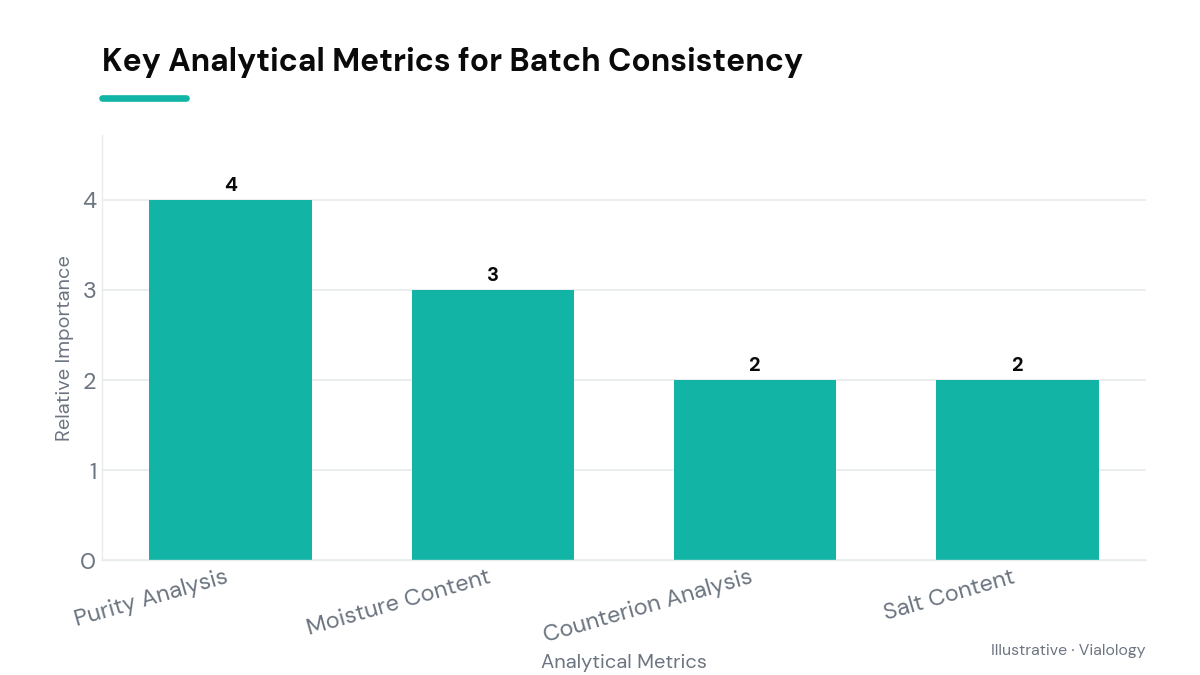
Key Analytical Metrics for Batch Consistency Verification
To establish a reliable baseline for experimental reproducibility, implementing stringent batch consistency verification protocols ensures that each new lot mimics its predecessor in both molecular weight and purity. High-Performance Liquid Chromatography (HPLC) serves as the industry standard for determining purity, with most laboratory-grade research peptides requiring a purity threshold of 95% to 98% or higher.
Alongside HPLC, Mass Spectrometry (MS) is vital to confirm the molecular weight and sequence identity of the synthesized peptide. Researchers should carefully compare the MS spectra of consecutive batches to ensure no structural deviations or deletion sequences are present, as even a single misplaced amino acid can completely change a peptide’s folding characteristics and biological half-life.

Moisture, Salt Content, and Counterions
A common oversight in preclinical research is ignoring the non-peptide components of a lyophilized sample. Lyophilized peptides are highly hygroscopic, meaning they naturally absorb moisture from the atmosphere. Additionally, during the purification phase of manufacturing, peptides are typically eluted as salts, commonly containing trifluoroacetate (TFA), acetate, or hydrochloride counterions.
The presence of these counterions and residual water means that the actual peptide content—often referred to as the net peptide content—is usually only 70% to 80% of the total dry powder weight. If one batch has a net peptide content of 75% and the subsequent batch has 85%, preparing solutions based solely on total powder weight will result in inconsistent dosing concentrations, skewing comparative research data.
How to Evaluate Batch-to-Batch Consistency in Peptide Manufacturing
To safeguard research integrity, investigators should adopt a proactive approach when sourcing compounds. This begins with requesting a comprehensive Certificate of Analysis (CoA) for every single batch purchased. Comparing the raw HPLC chromatograms and MS output from different production runs allows researchers to visually inspect the impurity profiles and verify that no new, unknown peaks have emerged.
Furthermore, running parallel control groups when transitioning to a new peptide batch can help isolate manufacturing variables from actual experimental outcomes. By verifying these chemical baselines, scientists can ensure that their research reflects the true biological potential of the target peptide rather than artifacts of synthesis fluctuation.
Related on Vialology
Frequently asked questions
Why does peptide purity vary between different manufacturing batches?
Variations typically arise from minor fluctuations in solid-phase coupling efficiency, resin loading, reagent quality, and environmental conditions during the final purification and lyophilization steps.
What is the difference between peptide purity and net peptide content?
Peptide purity indicates the percentage of the target peptide relative to other peptide impurities, while net peptide content measures the actual weight percentage of peptide in the powder, excluding water and counterions.
How does residual trifluoroacetic acid (TFA) affect research?
TFA is a common counterion used in purification that can exert cytotoxic effects in cell culture assays, potentially masking or distorting the actual biological action of the peptide under study.
What documents should a researcher request to verify peptide batch consistency?
Researchers should always request a batch-specific Certificate of Analysis (CoA) containing both High-Performance Liquid Chromatography (HPLC) chromatograms and Mass Spectrometry (MS) data.
Educational use only. Vialology publishes journalistic and educational content about peptide science. Nothing here is medical advice, diagnosis, or treatment, and nothing should be taken as an endorsement to use any substance. Many peptides discussed are experimental and are not approved by the FDA for human use. Always consult a licensed healthcare professional before making any health decision.