

As the global search for novel obesity treatments intensifies, clinical interest has increasingly turned to the mechanism of tesofensine weight loss as shown in various developmental trials. Originally developed as a potential treatment for neurological disorders like Parkinson’s and Alzheimer’s disease, this triple monoamine reuptake inhibitor unexpectedly demonstrated significant weight-reduction properties during early clinical phases. Today, researchers are actively analyzing historical data and ongoing trials to understand how this compound influences metabolic pathways and appetite regulation.
The Mechanism: How Tesofensine Influences the Brain
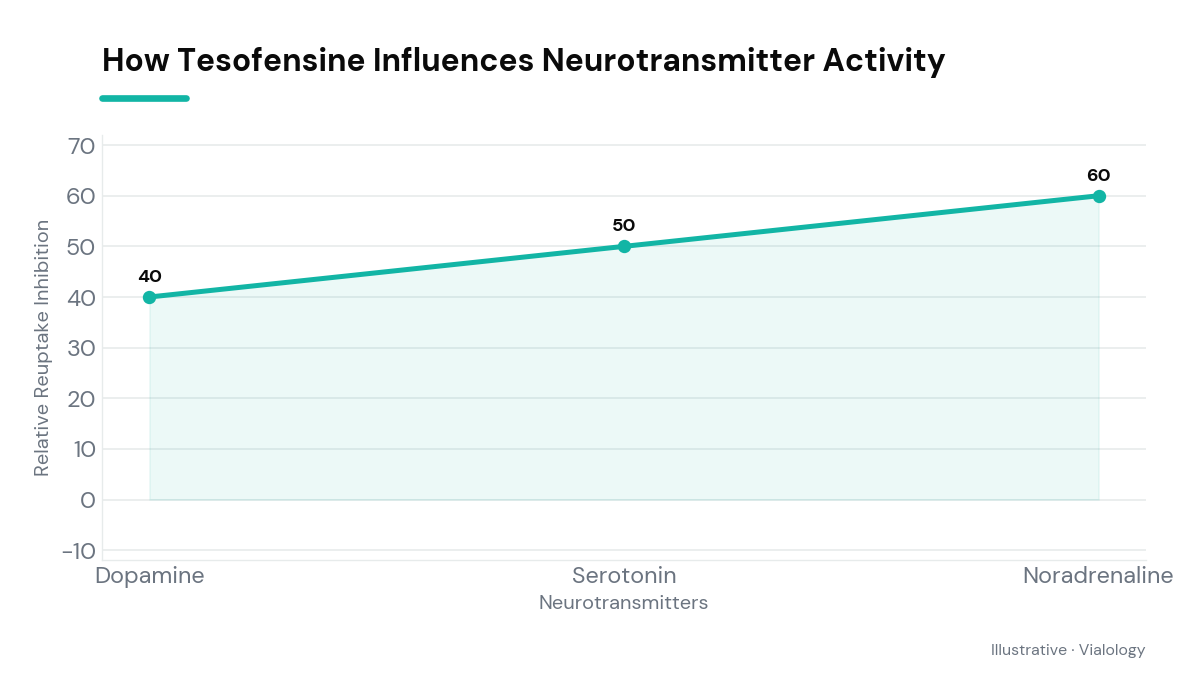
Unlike traditional peptide therapies that target gut hormones directly, tesofensine operates primarily within the central nervous system. It acts as a triple monoamine reuptake inhibitor, meaning it prevents the reabsorption of three critical neurotransmitters: dopamine, norepinephrine, and serotonin. By keeping higher concentrations of these chemical messengers active in the synaptic cleft, the compound effectively modulates the brain’s satiety centers. This dual action of suppressing appetite while simultaneously stimulating energy expenditure represents a distinct pharmacological approach to weight management.
In pre-clinical models, this unique synergistic mechanism has been shown to alter feeding behavior dramatically. Dopamine inhibition targets the reward pathways associated with food cravings, while norepinephrine and serotonin elevation help signal fullness and boost resting metabolic rate. Scientists hypothesize that this multi-pronged neurochemical intervention may overcome some of the biological adaptations that typically stall long-term weight reduction.
What Clinical Trials Reveal About Tesofensine Weight Loss
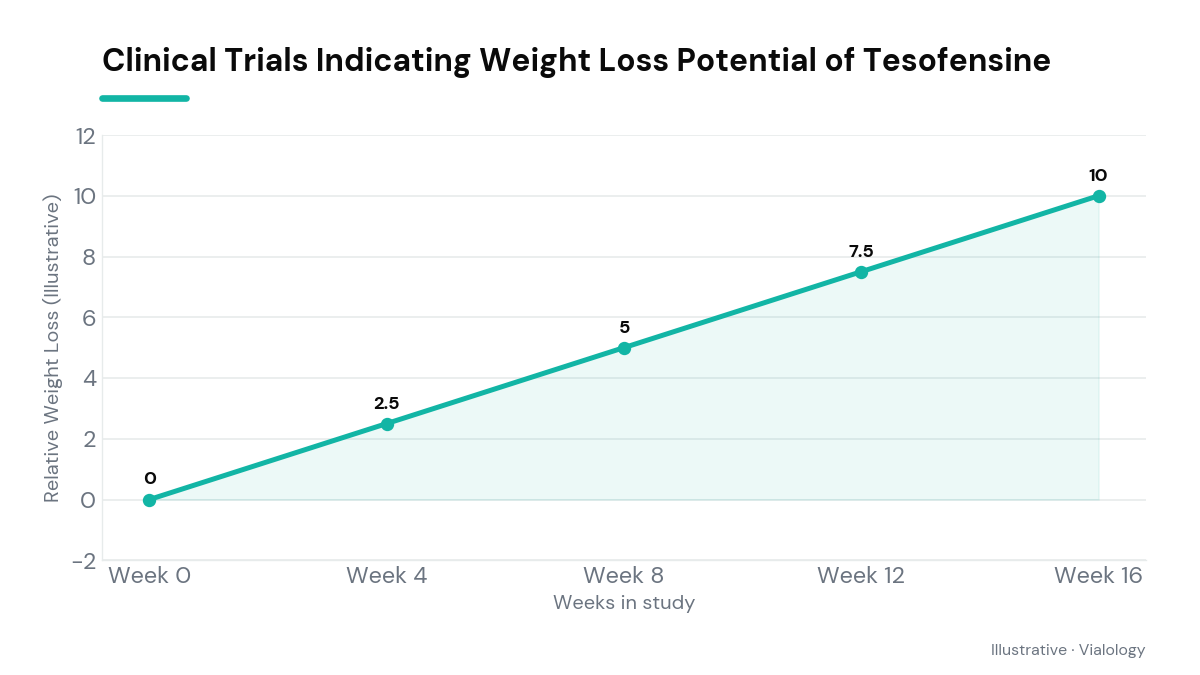
Much of the excitement surrounding the compound stems from a landmark Phase II clinical trial published in the late 2000s. In this double-blind, placebo-controlled study, researchers evaluated the efficacy of various doses of the molecule over a 24-week period. The results indicated a dose-dependent reduction in body mass, with participants in the highest dosage group losing an average of approximately 10% of their body weight. These findings positioned the compound as one of the most potent small-molecule candidates evaluated in recent metabolic research.
To put these historical clinical findings into a modern scientific context, investigators frequently compare these results with modern peptide therapies. Academic reviews, such as tesofensine weight-loss research published in peer-reviewed obesity journals, highlight that while the weight reduction is comparable to some GLP-1 receptor agonists, the primary mechanism of action remains entirely distinct. This divergence provides researchers with an alternative pathway to study, particularly for subjects who do not tolerate or respond to hormone-mimicking therapies.

Safety, Side Effects, and Current Regulatory Status
Despite promising efficacy data, the development path of this compound highlights the delicate balance of central nervous system modulation. Because it elevates neurotransmitters like norepinephrine, clinical studies noted certain cardiovascular side effects, including mild-to-moderate increases in heart rate and blood pressure. Other reported adverse events in trials included dry mouth, insomnia, and gastrointestinal discomfort, which are characteristic of adrenergic stimulation. Consequently, researchers emphasize the necessity of carefully monitoring cardiovascular metrics in any ongoing investigational protocols.
As of today, tesofensine is not approved by the U.S. Food and Drug Administration (FDA) for weight management or any other indication. While it has undergone Phase III clinical testing in other regulatory jurisdictions, it remains an investigational drug in many parts of the world. Scientists continue to study its long-term safety profile to determine whether the metabolic benefits outweigh the cardiovascular risks, and it is strictly restricted to laboratory research and clinical trial settings.
Related on Vialology
Frequently asked questions
Is tesofensine a peptide?
No, tesofensine is not a peptide; it is a small-molecule chemical compound categorized as a triple monoamine reuptake inhibitor.
How does tesofensine compare to GLP-1 receptor agonists?
While GLP-1 receptor agonists mimic gut hormones to delay gastric emptying and signal fullness, tesofensine targets neurotransmitters in the brain to suppress appetite and increase energy expenditure.
Has the FDA approved tesofensine for weight loss?
No, the FDA has not approved tesofensine for weight loss or any other therapeutic use, and it remains an investigational compound.
Educational use only. Vialology publishes journalistic and educational content about peptide science. Nothing here is medical advice, diagnosis, or treatment, and nothing should be taken as an endorsement to use any substance. Many peptides discussed are experimental and are not approved by the FDA for human use. Always consult a licensed healthcare professional before making any health decision.